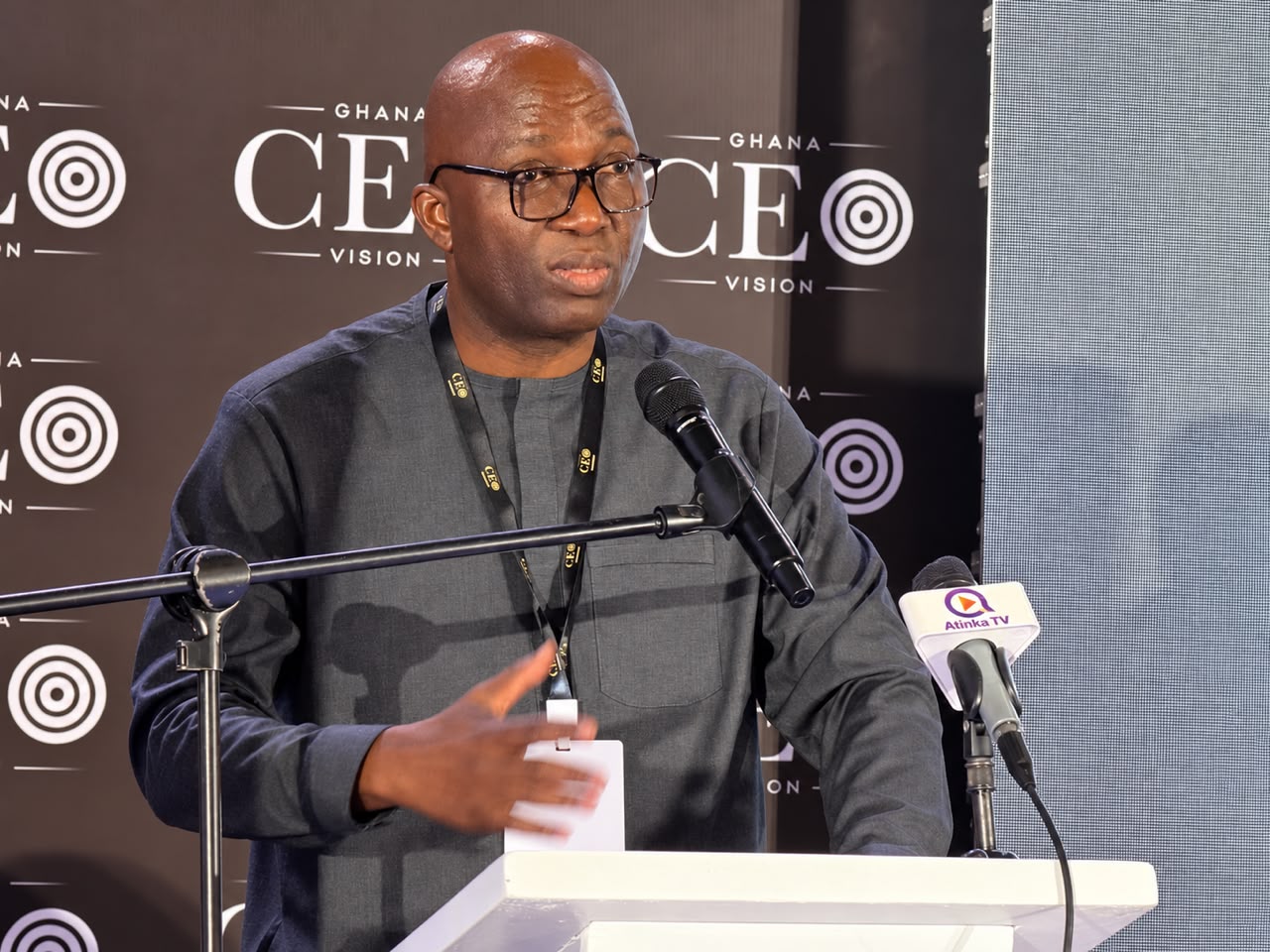
The Chief Executive Officer of MobileMoney LTD, Shaibu Haruna, has outlined the company’s plans to strengthen Ghana’s digital economy through expanded credit access for small businesses, local fintech talent development, and financial literacy initiatives.
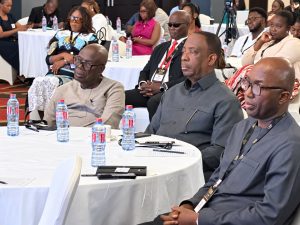
He was speaking at the Ghana CEO Vision and Awards High-Level Dialogue, held at the Kempinski Hotel in Accra on the theme “Reimagining Ghana’s Future: CEOs at the Heart of the Reset Agenda.”
Mr Haruna said the company was working with banks and other partners to help customers turn everyday transactions into opportunities to save, borrow responsibly, invest, and grow their businesses.
Moving Beyond Money Transfers
He noted that while mobile money had become part of everyday life in Ghana, its long-term value would depend on how effectively it supported livelihoods and the productive sector.
Illustrating the changing role of mobile money, he cited a market trader who now uses her phone not only to send and receive funds but also to receive customer payments, pay suppliers, save, access credit, and insure her business.
Having built the payment infrastructure, he said, the next phase was to leverage it to drive economic growth.
Expanding Credit and Separating Finances
Mr Haruna said the focus was on making digital finance more useful to microenterprises, many of which needed working capital but lacked collateral or formal financial records.
Through partnerships with financial institutions, MobileMoney LTD facilitated access to credit for millions of Ghanaians each month, with partner institutions providing the capital while the platform supported loan disbursement and repayment.
He explained that digital transaction records could help lenders assess cash flow and repayment capacity, providing crucial working capital for young entrepreneurs, funds for traders to restock, income records for farmers, and digital financial histories for drivers.
He identified the separation of personal and business finances as key to improving access to funding, noting that many small business owners used the same accounts for household and business transactions, making it difficult to assess their businesses’ performance.
24-Hour Economy and Local Talent
Mr Haruna linked digital finance to Ghana’s 24-hour economy agenda, saying businesses needed dependable payment services around the clock.
He acknowledged that although digital payments had grown, cash remained widely used, requiring further efforts to encourage adoption.
On talent development, he said the company was investing in local innovation through the MoMo Fintech Lab, launched a few months earlier to identify and nurture ideas that addressed local needs and transform them into viable businesses.
He noted that the initiative’s activities extended beyond Accra to Kumasi and other regions.
Financial Literacy and Trust
Mr Haruna said financial literacy remained a priority, cautioning that access to technology did not guarantee financial knowledge.
Grassroots education, he noted, was essential to help customers understand saving, borrowing, investing, and the safe use of digital services.
He acknowledged gaps in access among women, persons with disabilities, and rural communities, which required suitable financial products and education to address.
He added that the company maintained gender parity among its staff and on its board.
On security, Mr Haruna said protecting customer trust was essential as more services became accessible through smartphones. While the devices offered convenience, they also created potential channels for cyberattacks, making continuous customer education necessary.
Yamson Urges CEOs to Take Responsibility
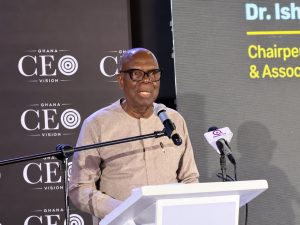
The Chairman of Ishmael Yamson & Associates, Dr Ishmael Evans Yamson, called on chief executives to take an active role in Ghana’s reset agenda.
He described many of the nation’s difficulties as homegrown and urged leaders and citizens to act responsibly in addressing them.
Dr Yamson outlined three priorities for business leaders: developing local ideas, technology, and practical solutions beyond physical goods to reduce dependence on imports; upholding ethical leadership and integrity; and deliberately investing in future leaders.
He also urged business leaders to consider the long-term implications of artificial intelligence and address infrastructure challenges that continued to hinder national development.
UNESCO Calls for People-Centred Business Growth
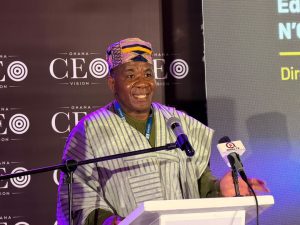
The Director of the UNESCO Accra Office, Edmond Moukala N’Gouemo, urged businesses to place people’s well-being at the centre of their growth strategies, describing business leaders as architects of change.
Citing persistent challenges, including poverty, food insecurity, climate shocks, rising living costs, and gaps in education and healthcare, he said business success should be measured not only by financial performance but also by contributions to poverty reduction, improved livelihoods, and the resilience of vulnerable communities.
With the 2030 deadline for achieving the Sustainable Development Goals approaching, he urged business leaders to move from discussions to practical action.
Abubakar Calls for Partnerships
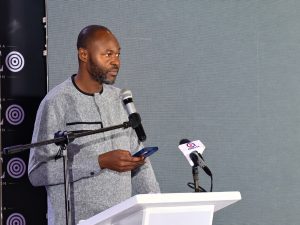
The Founder of the Ghana CEO Awards, Latif Abubakar, said the dialogue provided an opportunity for business leaders to help shape Ghana’s future through bold ideas, responsible leadership, and strategic partnerships.
He noted that the government could not achieve the country’s development goals alone, emphasising the private sector’s role in contributing to national progress.
Mr Abubakar outlined four guiding principles for the platform: staying relevant through innovation, staying connected through meaningful relationships, staying ahead by anticipating change and embracing technology, and getting verified by building trust and credibility.