CVF Secretary General hails Ghana’s leadership in advancing Climate Prosperity Agenda
Ghana’s efforts to refine and scale up its Climate Prosperity Plan (CPP) has received strong commendation from the Climate Vulnerable Forum (CVF), with the organisation’s Secretary General, Mohamed Nasheed, praising the country’s leadership in shaping a new model of climate-aligned economic growth for vulnerable nations.
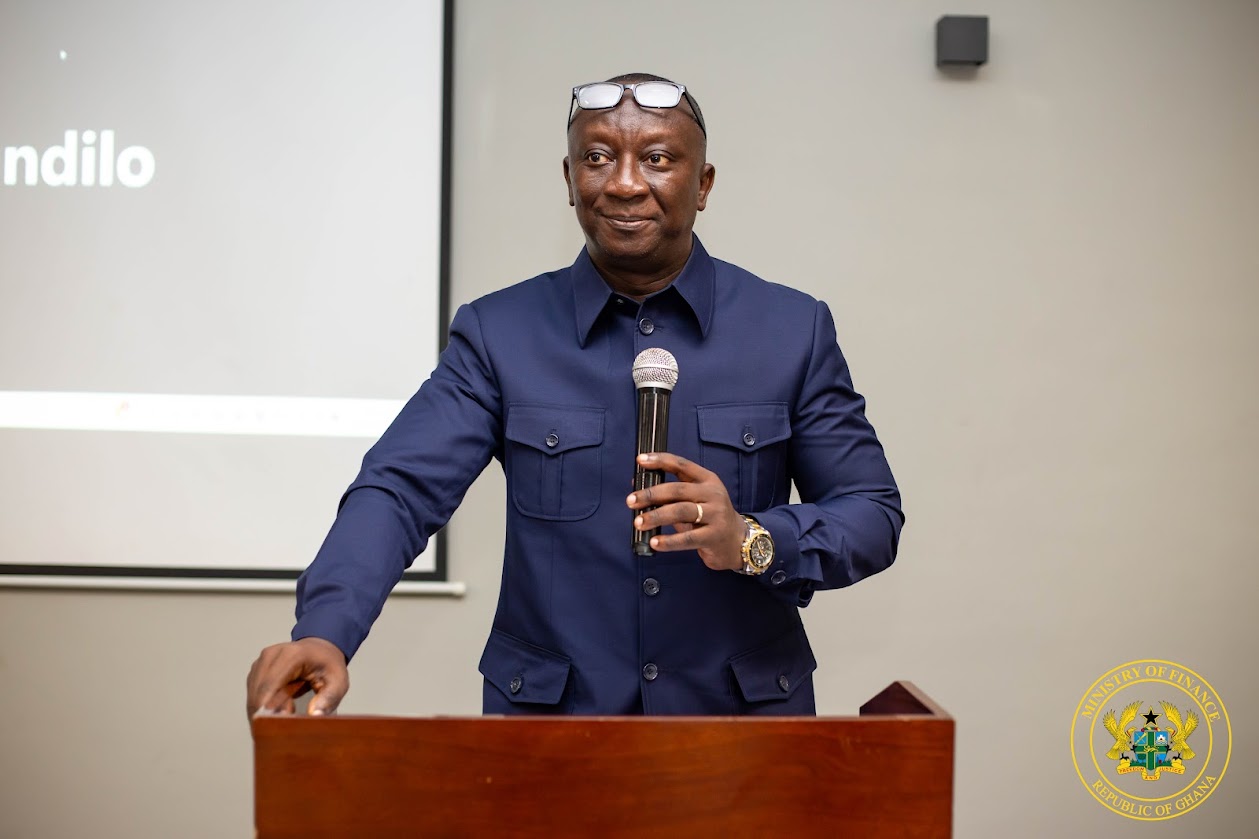
The remarks were made at a national stakeholder workshop in Accra, where government officials, development partners, private-sector actors, and technical experts convened to review and update the Zero Draft of Ghana’s CPP. The session formed part of a broader national process to strengthen the plan’s bankability, financing strategy, and alignment with both domestic priorities and emerging global climate finance mechanisms.
In his address, CVF Secretary General and former President of the Maldives, Mohamed Nasheed, commended Ghana for being one of the earliest adopters of the Climate Prosperity Plan model and for demonstrating clarity, ambition, and readiness in its approach. He emphasised that CPPs were conceived to help climate-vulnerable countries break free from the cycle of climatic shocks and economic stagnation through sovereign-led, investment-driven development pathways.
“Bankability is not a slogan. It is the difference between an idea on paper and an investment that transforms lives,” he stated.
Mr. Nasheed stressed that the updated CPP must deepen its investor focus by strengthening project preparation, de-risking frameworks, and predictable, sequenced pipelines. With global concessional financing declining and multilateral climate finance remaining slow, he argued that countries like Ghana must pioneer models that lower the cost of capital and attract private investment at scale. “Vulnerable economies cannot rely solely on Official Development Assistance. We must unlock private capital, reduce perceived risks, and create financing strategies that are globally competitive,” he said.
He further noted that Ghana’s natural assets ranging from forests and freshwater systems to biodiversity and renewable energy potential—position the country strongly to leverage carbon finance, nature-based solutions, and climate-resilient industrialisation. “Our comparative advantage is not in fossil fuels, but in nature, innovation, our people and resilience,” he observed, adding that Ghana’s CPP provides a foundation for converting these assets into catalytic economic value.
The CVF Secretariat reaffirmed its commitment to supporting Ghana through project preparation, investor engagement, climate-risk analytics, and facilitation of carbon market opportunities. As the update process continues, both the government and the CVF expressed optimism that the revised CPP will emerge as a robust, future-focused investment strategy capable of driving climate-resilient prosperity for generations.
Speaking on behalf of the Minister for Finance, the Director of the Real Sector Division, Samuel Arkurst, underscored the importance of the update process in position Ghana to mobilise large-scale climate investment and accelerate its transition to a resilient, low-carbon economy. He noted that the CPP serves as a strategic investment framework aimed at linking climate action directly with economic transformation.
“This stakeholder engagement offers a timely opportunity for reflection and alignment as we strengthen the link between climate action and Ghana’s economic transformation agenda,” he stated.