
Last Sunday marked another occasion to celebrate mothers, but for many, the day does not carry the same meaning.
While it is widely associated with joy, appreciation, and family gatherings, for a significant number of women, especially mothers of children with special needs and those who have lost one or more children, it is a reminder of ongoing pain, responsibility, and emotional struggle.
For mothers raising children with disabilities, Mother’s Day can highlight a reality that is often overlooked. Many of these women live with the lifelong responsibility of caring for children who may depend entirely on them for basic needs, including feeding, bathing, mobility, and communication. In many African societies, where social support systems are weak, these responsibilities fall almost entirely on mothers.
The emotional and psychological toll is significant. Studies and lived experiences show that mothers of children with special needs often experience chronic stress, anxiety, depression, and social isolation. In many cases, women are forced to abandon their jobs or education to provide full-time care. This leads to financial strain, dependency, and in some cases, long-term poverty. Even in families that are financially stable, the emotional burden remains heavy and constant.
In addition to caregiving demands, stigmatisation from society worsens the situation. In several African communities, disability is still misunderstood. Mothers are sometimes blamed for their children’s condition or treated as if they are responsible for it. This leads to exclusion, judgment, and social withdrawal. Many women report avoiding public spaces because of the stares, comments, or discomfort shown by others when they step out with their children.
This form of silent discrimination affects not only the mother’s mental health but also the child’s development and social integration. Instead of receiving support, many mothers are left to navigate the journey alone.
The Hidden Emotional Burden of Special Needs Motherhood
The challenges are not limited to mothers of children with special needs. Women who have lost their children also experience Mother’s Day differently. For them, the day can reopen emotional wounds. It becomes a reminder of loss rather than celebration. The trauma of child loss often lingers for years, and in many African societies, grief is not always openly acknowledged or supported. These mothers may feel pressured to appear strong while privately struggling with deep emotional pain.
There is also another group often overlooked, women who are trying to conceive. For them, Mother’s Day can be emotionally difficult, especially in environments where motherhood is strongly tied to identity and social acceptance. Many women face repeated miscarriages, infertility challenges, or long waiting periods without success. In some cases, they are subjected to insensitive questions such as “When are you having a child?” which can intensify emotional distress.
These realities show that motherhood is not a uniform experience. It is layered, complex, and in many cases, accompanied by silent battles that are not visible in public celebrations.
Systemic gaps and social stigma across African communities
Across Africa, one of the major gaps is the lack of structured psychological and social support for mothers facing these challenges. Mental health services are limited, expensive, or stigmatised. As a result, many women suffer in silence without counselling or community-based support systems.
Families also play a critical role. In many cases, fathers of children with special needs withdraw from active caregiving, leaving the full burden on mothers. However, shared responsibility within households can significantly reduce stress and improve the wellbeing of both mother and child. Fathers must be encouraged and expected to take active roles in caregiving, therapy support, and daily routines.
Extended family members also have a role to play. Regular visits, emotional support, and practical assistance such as helping with care duties can make a meaningful difference. In many African settings, however, some families distance themselves from households with children with disabilities due to stigmatisation or misconceptions. This isolation worsens the burden on mothers.
Building a more supportive society for mothers in pain
Beyond families, society at large must also adjust its attitudes. Public awareness on disability must be strengthened to reduce stigma and misinformation. Communities need education on inclusion, empathy, and respect for families living with special needs children. Public spaces should also be made more accessible to reduce mobility challenges for caregivers and children.
Governments and institutions can contribute by strengthening social protection systems. This includes providing financial assistance, access to affordable healthcare, inclusive education systems, and community-based respite care services. These interventions can help reduce the economic and emotional burden on mothers.
Workplaces also have a role to play. Flexible working arrangements, remote work options, and supportive employment policies can help mothers balance caregiving responsibilities with professional life. Without such systems, many women are forced out of the workforce entirely.
Despite these challenges, many mothers continue to show extraordinary resilience. They navigate daily responsibilities with strength, often without recognition or adequate support. Their experiences reflect not weakness, but endurance under difficult circumstances.
To mothers of children with special needs, those who have experienced loss, and those still hoping to conceive, the message is one of acknowledgment. Your experiences matter, and your struggles are valid. While society may not always fully understand what you are going through, your efforts and strength are not invisible.
READ ALSO : HRRG backs campaign for Ghana to ratify African Disability Protocol
For everyone else, the responsibility is clear. Motherhood must not be reduced to a single celebration or image of joy. It must also include empathy for those whose experiences are shaped by struggle, grief, and care burdens.
Society can do better by listening more, judging less, and offering practical support where needed. Above all, it requires a shift in mindset, one that recognises that behind every mother’s story is a unique reality that deserves respect, dignity, and understanding.
Let empathy lead.
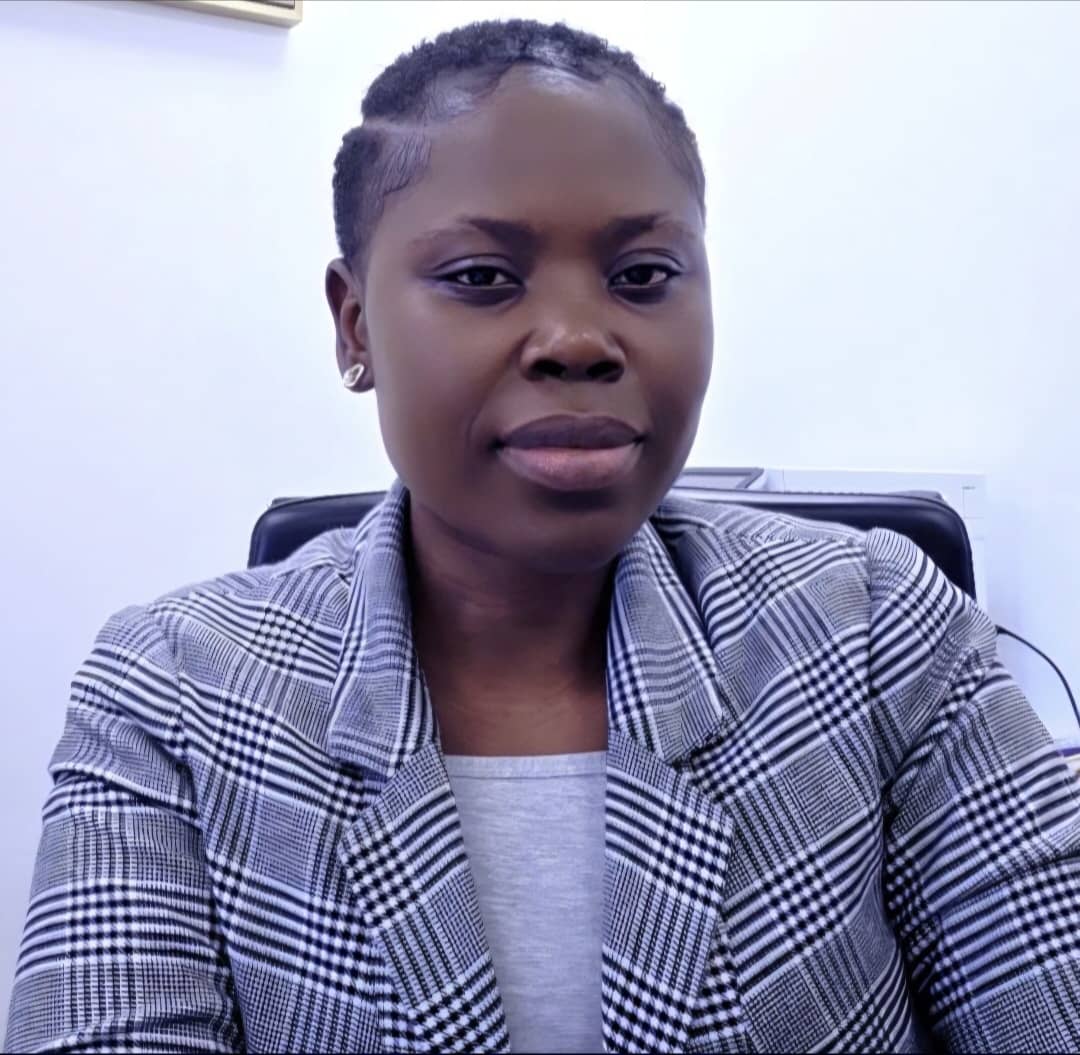
BY RAISSA SAMBOU
“The writer is a children’s rights advocate and the founder of The Raissa Child Protection Initiative.”
