
“The voice/votes of the people is the verdict of their experience.”
Election season always comes with its usual noise — loud promises, colourful posters, strategic endorsements, speeches polished to perfection. But underneath all of that, there is one judge who never raises their voice yet never misses anything: the voter.
The voter knows.
They know who stood by the people long before any election was called. Who showed up to meetings without fail, who picked up the phone when things got difficult, who walked into communities without cameras or applause and who only appeared once votes were on the line.
They know, too, who genuinely served the party and who simply came to feed off it. Service leaves its own footprints, and no amount of campaign publicity can wipe those away.
More than anything, the voter recognises leadership when they see it.
They can tell the difference between someone who listens before they speak and someone who gives orders before they’ve bothered to consult. Between a democrat who values people’s voices and an autocrat who mistakes control for leadership. Real leadership was never about commanding people, it’s about inspiring them.
The voter also knows who can be firm without being cruel, and who confuses hostility with strength. Yes, every organisation needs discipline. But discipline without fairness only breeds resentment. A true leader enforces the rules evenly, corrects people without tearing them down, and leads with both courage and compassion.
And they know who can heal a wound and who prefers to keep it open. Who works toward reconciliation after a disagreement, and who finds it politically convenient to let the division fester. If history has taught us anything, it’s that organisations rarely fall because of outside opponents they fall when their own leaders choose to divide them.
Divide and rule politics might win you something in the short term, but it always leaves scars that outlast the victory. Unity and inclusion, on the other hand, is what builds institutions that last and what prepares a party for bigger wins down the road.
The voter can spot who celebrates other people’s success and who feels threatened by anyone talented. Who builds a team and who only wants loyalists around them. Strong leaders build strong teams. Insecure ones build weak institutions, whether they realise it or not.
They know, finally, who stays humble after a win and who keeps their dignity after a loss because character shows up in both moments, not just one.
Here’s one of the harder lessons from our recent political history: alignment politics is expensive. Once an internal party election is over, it needs to actually be over. Whoever a member supported during the primaries shouldn’t determine whether they’re welcomed into the bigger job of winning the national election.
A lot of party faithful still believe that after the 2023 NPP presidential primaries, some members who had backed a different candidate were quietly left out of the campaign machinery in various parts of the country. Whether that perception was entirely accurate or not almost doesn’t matter — it was enough to dent morale, dampen enthusiasm, and weaken grassroots mobilisation.
Look at the Volta Region and the numbers tell their own story. In the 2020 general election, the NPP’s presidential vote here crossed 110,000. By 2024, it had fallen to roughly 56,000. There’s more than one reason behind a drop like that, but it’s hard to ignore how much it underlines the cost of leaving any part of the party feeling sidelined.
Then came the 2026 presidential primaries, and Volta once again showed its independent streak, throwing its weight behind Dr Bryan Acheampong rather than the eventual flag bearer. Every constituency executive, every regional executive, every aspiring leader needs to hear this clearly: it cannot be about who stood in which camp anymore.
If we go back to the old habits of alignment, exclusion, quiet favouritism, we risk repeating exactly the mistakes many believe cost us at the polls before.
Whatever the campaign toward 2028 looks like, it has to be different.
It has to rebuild our structures from the polling station all the way up to the national level.
It has to make room for every polling station executive, every electoral area coordinator, every youth activist and volunteer to feel seen and valued — not used.
It has to bring people back together, regardless of who they backed in the primaries, under one shared purpose.
It has to be built on unity, because factions don’t win elections. United parties do.
And it has to reward competence, commitment, loyalty and hard work — not political alignment.
The voter already knows which aspirants understand this.
They know who talks about inclusion but practises exclusion behind closed doors.
They know who will actually reorganise the grassroots instead of rewarding a favoured few.
They know who is building one NPP, and who is quietly building camps.
Some people still believe elections can be bought with money, influence, intimidation or propaganda. Those things might generate noise for a season, but they don’t erase memory.
Delegates and voters remember years of conduct far more clearly than they remember a few weeks of campaigning. They remember who respected them. Who stayed accessible. Who stayed consistent.
A ballot is more than a mark on paper it’s the voter’s verdict on someone’s character, competence, vision and leadership, delivered all at once.
Our job as party members goes beyond picking the most popular face in the room. We need leaders who unite instead of divide, who consult instead of dictate, who serve instead of expecting to be served, who build instead of tearing down. The choices we make now decide whether this party grows stronger or weaker by the time 2028 arrives.
When the campaign ends, the banners will come down. The songs will fade. The slogans will be forgotten within a season. What stays behind is the quality of the people we chose to lead us.
So let every aspirant hold on to this one truth:
The voter knows.
They know who is democratic and who is autocratic.
They know who is firm and fair, and who is simply firm and bitter.
They know who builds bridges and who burns them.
They know who unites and who divides.
READ ALSO: Can Ghana really do away with Plastics?
They know who has actually learned from our recent electoral history — and who is still repeating it.
They know who will reorganise the grassroots, reconcile the rank and file, and build something strong enough to win in 2028.
And when the time finally comes to mark that ballot, they won’t need to say a word. Their vote will speak for them.
Never underestimate the voter. They remember. They reflect. They judge.
And in the end, they always know.
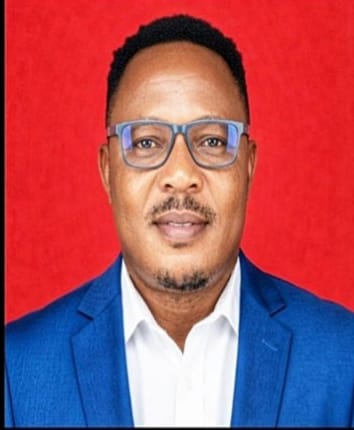
By: Hon. Theophilus Kwadzo Doh
1st Vice Chairman,
Afadzato South.
