
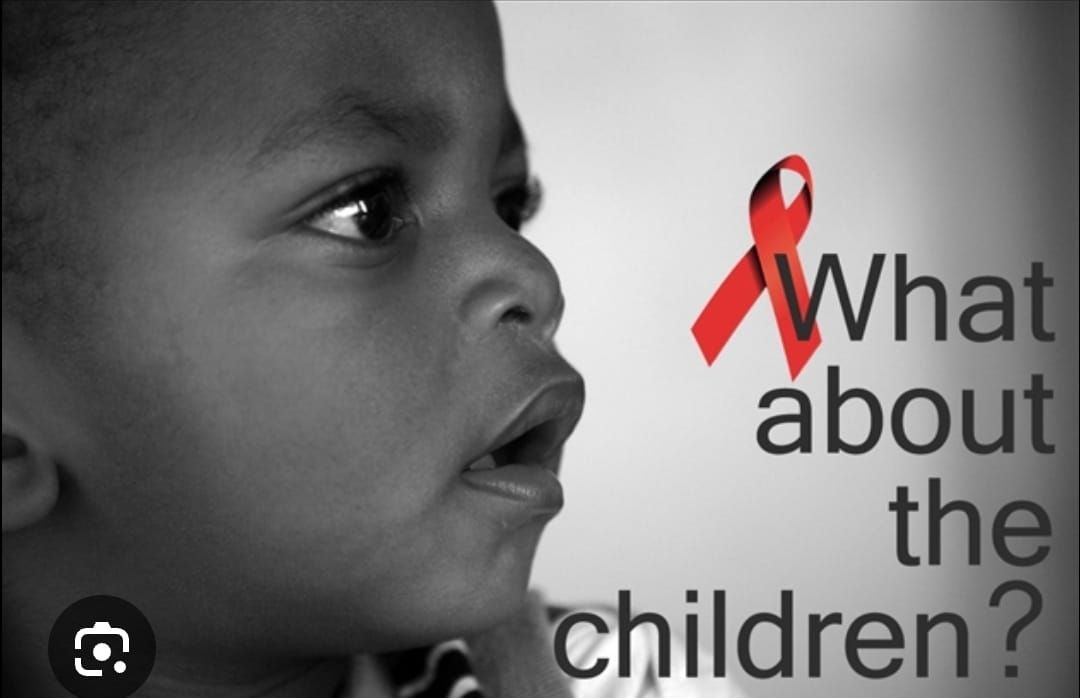
Declining international funding for HIV/AIDS programmes is putting thousands of African children at risk and threatening to erode decades of progress in prevention, testing and treatment, health experts have warned.
President of the Elizabeth Glaser Pediatric AIDS Foundation, Dr Doris Macharia, says children are increasingly becoming the early warning sign of cracks emerging in the global HIV response as funding reductions disrupt critical health programmes.
Speaking on the sidelines of the 26th International AIDS Conference in Brazil, Dr Macharia described children as the “canary in the coal mine” of the HIV response, warning that increasing infections and declining treatment coverage among children could point to broader weaknesses within health systems.
“The abrupt reductions in funding are already affecting programmes that identify, treat and monitor children living with HIV, particularly in African countries,” she said.
The warning comes amid persistent gaps in access to HIV testing and treatment for children.
According to UNAIDS figures cited in connection with the conference, about 1.2 million people acquired HIV globally in 2025, while approximately 570,000 people died from AIDS-related illnesses.
Without urgent interventions, experts fear millions more people could acquire HIV by 2030, potentially undermining efforts to end AIDS as a public health threat.
Ghana Faces Paediatric HIV Challenge
Ghana has made significant gains in HIV prevention and treatment over the years, but children remain among the groups facing considerable gaps in access to essential services.
Recent national estimates indicate that more than 18,000 children are living with HIV in Ghana, while new paediatric infections continue to be recorded.
Health experts warn that reductions in international funding could disrupt critical interventions, including HIV testing for pregnant women, early diagnosis for HIV-exposed infants, access to antiretroviral medicines and continuous monitoring to ensure children remain on treatment.
Dr Macharia also raised concerns that weakened programmes and data systems could result in some children living with HIV disappearing from the health system altogether, making it increasingly difficult to identify and provide them with lifesaving treatment.
READ ALSO: DVLA Declares Daily Crackdown on Unroadworthy Vehicles
Despite the challenges, she maintains that eliminating mother-to-child transmission of HIV remains achievable.
She pointed to progress made by countries including Botswana and Brazil as evidence that sustained investment, effective testing and consistent access to treatment can drastically reduce transmission from mothers to their babies.
Health experts are therefore calling for renewed commitment to HIV financing, warning that losing momentum now could reverse hard-won gains and leave some of Africa’s most vulnerable children without the prevention and treatment services they need.
