
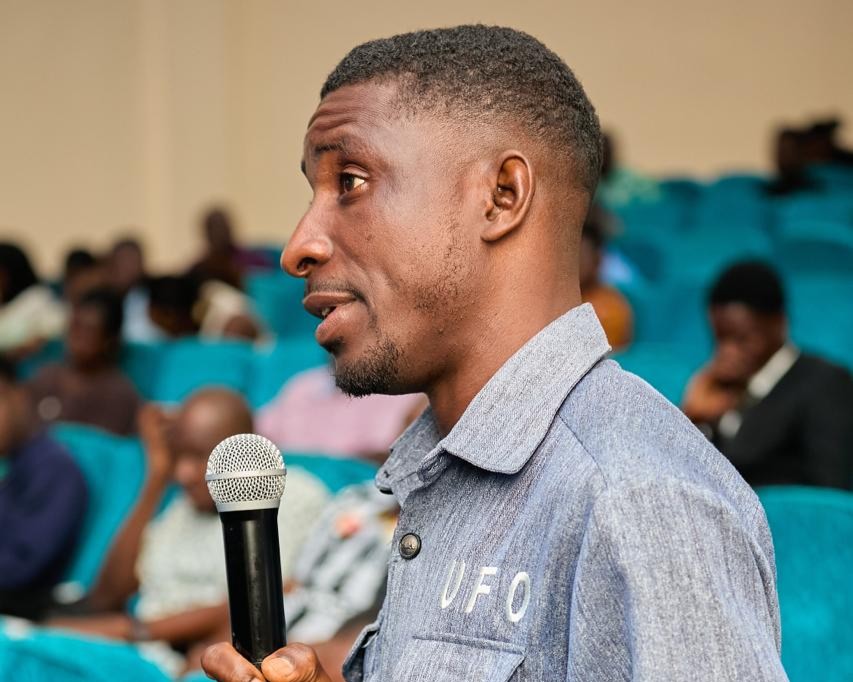
The President of the Universal Friendship Organisation (UFO), Ghana, Samuel Adobah, has called on the government to establish a Ministry of Peace and Development to strengthen peacebuilding efforts and help maintain Ghana’s stability.
According to him, peace should not receive attention only during elections or periods of tension. Instead, it must become a national priority supported by dedicated institutions, adequate funding and continuous public education.
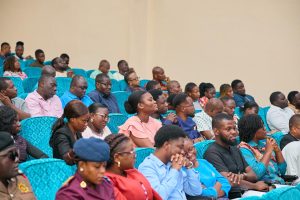
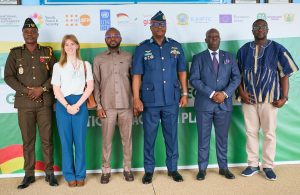
Mr Adobah made the call during a national consultation on Ghana’s Youth, Peace and Security Action Plan, organised by the National Youth Authority (NYA) in Accra.
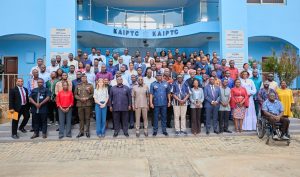
The meeting brought together civil society organisations (CSOs), non-governmental organisations (NGOs), government agencies, international partners and other stakeholders to discuss ways of strengthening peace and giving young people a greater role in national development.
Ghana Needs a Dedicated Ministry of Peace
Speaking during the discussions, Mr Adobah expressed concern about the country’s approach to peacebuilding, arguing that more needed to be done to protect the peace Ghana has enjoyed over the years.
He proposed the establishment of a Ministry of Peace and Development to coordinate peace campaigns, support organisations working to prevent conflict and ensure that peacebuilding remains a priority throughout the year.
He noted that some countries had established similar institutions and believed Ghana could benefit from adopting such an approach.
According to him, a dedicated ministry would help bring peacebuilding organisations together, improve coordination and ensure that efforts to promote national unity receive the attention they deserve.
Government Must Invest More in Peacebuilding
Mr Adobah also urged the government to commit more resources to peace education and conflict prevention.
He said many organisations working to promote peace struggle to carry out their activities because they lack adequate financial and institutional support.
“Government should allocate financial commitment, and not only during election periods before we see advocacy on peace, but rather make it an everyday routine,” he stressed.
He argued that peacebuilding should be treated as an ongoing responsibility rather than an activity that becomes important only when elections are approaching.
Mr Adobah also expressed concern about what he described as Ghana’s declining peace ranking over the past five years, warning that any deterioration in national stability could affect economic growth, investment and social development.
He therefore called for stronger government commitment to programmes that promote peaceful coexistence and address issues that could lead to conflict.
Peacebuilding Organisations Need More Support
The UFO President further raised concerns about the limited visibility and support given to civil society organisations working to promote peace.
He said although Ghana is widely regarded as a peaceful country, several underlying social and economic challenges continue to affect communities.
According to him, such issues must be addressed early to prevent tensions from developing into serious conflicts.
He urged the government to work more closely with peace advocacy groups, youth organisations and community leaders to strengthen public awareness and encourage peaceful coexistence.
Youth Must Play a Bigger Role in Peacebuilding
During the consultation, participants also discussed the relationship between youth unemployment, leadership, social cohesion and national security.
They agreed that young people should be actively involved in decisions and programmes aimed at preventing conflict and promoting development.
Speakers stressed that Ghana’s Youth, Peace and Security Action Plan must reflect the everyday challenges facing young people and provide opportunities for them to contribute meaningfully to peacebuilding.
They also called for stronger collaboration among government institutions, traditional authorities, civil society organisations and development partners.
NYA to Incorporate Stakeholder Recommendations
The consultation formed part of efforts by the National Youth Authority to develop a practical and inclusive Youth, Peace and Security Action Plan for Ghana.
Participants expressed hope that the discussions would help shape policies and programmes that promote national unity, prevent conflict and empower young people to become advocates for peace.
The NYA is expected to consider the recommendations made during the consultation as it works towards finalising the Action Plan.
Mr Adobah maintained that protecting Ghana’s peace requires consistent effort, adequate resources and a clear national commitment, stressing that peace must remain a shared responsibility beyond election periods.
