
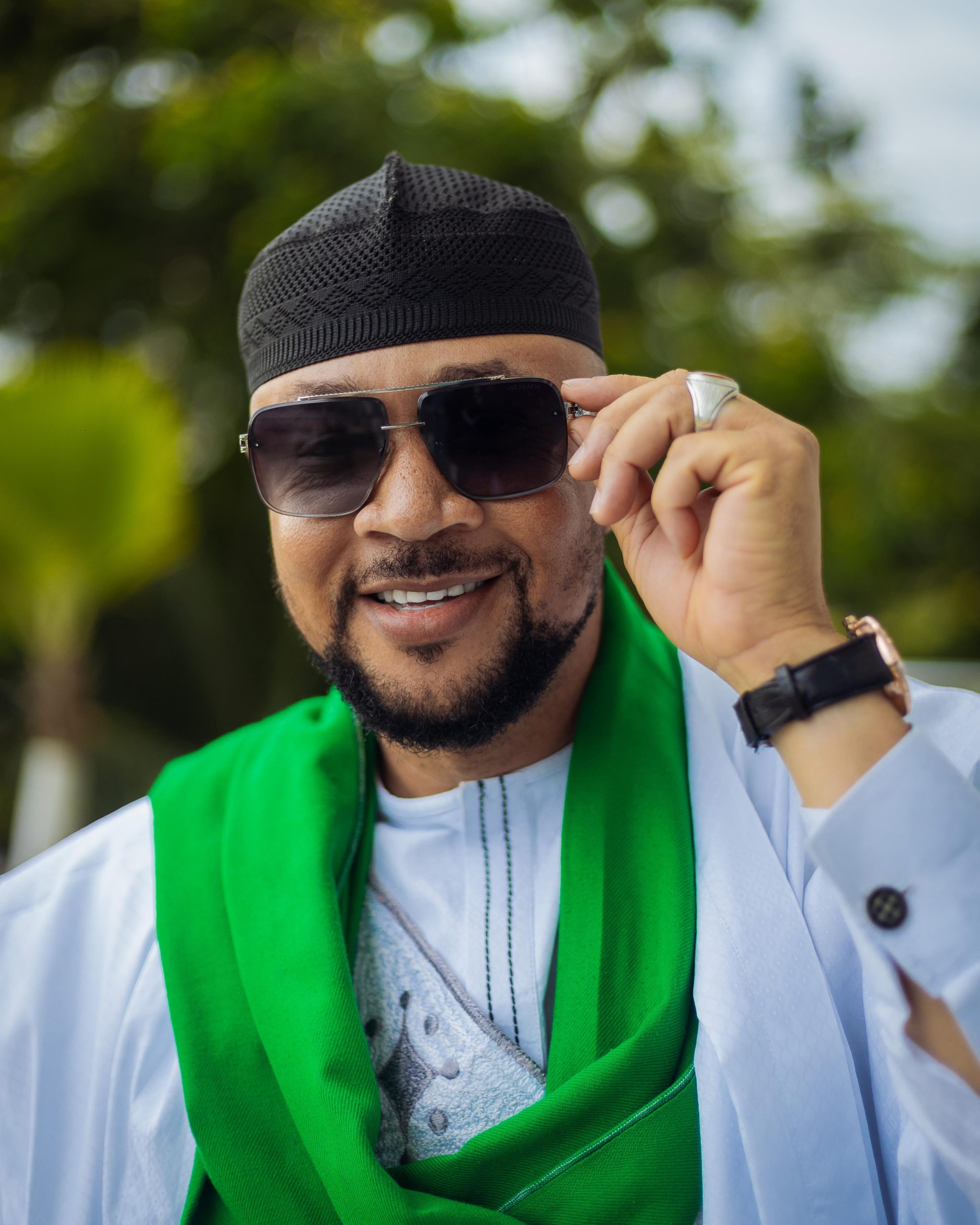
The Member of Parliament for Sunyani East, Seid Mubarak, is partnering with a United Arab Emirates (UAE)-based Foundation for Peace to promote religious tolerance, peaceful coexistence and unity among people of different religious backgrounds in Ghana and across the African continent.
The partnership is expected to focus on building a society where individuals are free to practise their chosen faith without intimidation, discrimination or coercion, while encouraging mutual respect and understanding among Christians, Muslims and adherents of other religious beliefs.
Information available on the initiative indicates that Seid Mubarak has assumed leadership of the Foundation’s activities in Ghana and is expected to spearhead its programmes and campaigns aimed at strengthening religious harmony and peaceful coexistence.
The Foundation is reportedly preparing to roll out a campaign to raise awareness about religious freedom and the importance of respecting the beliefs and choices of others.
At the centre of the campaign is the principle that religion must be a matter of personal conviction and individual choice, and that nobody should be forced, pressured or intimidated into belonging to a particular religious group.
According to information from the Foundation, the initiative will seek to encourage communities to embrace diversity and recognise that differences in religious beliefs should not become a source of division, hostility or conflict.
### Religious tolerance as a foundation for Africa’s development
The initiative comes at a time when religious tolerance and peaceful coexistence remain important to social stability, particularly in parts of Africa where religious differences, ethnic divisions and political tensions can sometimes deepen mistrust among communities.
Although religion has historically played a significant role in shaping African societies, providing moral guidance, social support and community leadership, differences in religious beliefs can become sources of tension when intolerance, extremism, discrimination and misinformation are allowed to flourish.
Religious tolerance is therefore not simply about allowing people to attend different places of worship. It also involves recognising the fundamental rights of individuals to choose, practise, change or decline a religion without fear of persecution or discrimination.
Across the continent, promoting interfaith understanding is particularly important in communities where Christians, Muslims and followers of traditional African religions live together.
Such initiatives can help prevent religious misunderstandings from escalating into broader communal conflicts, strengthen relationships between religious leaders and encourage communities to resolve disagreements through dialogue rather than confrontation.
The United Nations has also recognised the importance of interreligious and intercultural dialogue, encouraging governments, civil society organisations and faith-based institutions to promote tolerance, reconciliation and cooperation as essential elements of sustainable peace. UN Mandates +1
### Ghana’s role in promoting peaceful coexistence
Ghana has long maintained a tradition of religious diversity, with different religious communities participating in national life, community development and social activities.
However, sustaining this environment requires continuous engagement, particularly among the younger generation, to ensure that religious differences do not become grounds for discrimination, hostility or exclusion.
The proposed campaign is expected to encourage religious leaders, traditional authorities, educational institutions, civil society organisations and community stakeholders to become active participants in promoting tolerance.
It will also seek to create awareness about the importance of respecting the religious choices of individuals, irrespective of their backgrounds.
For Seid Mubarak, the partnership presents an opportunity to extend the conversation beyond his constituency and contribute to a wider continental effort aimed at strengthening unity among people of different faiths.
His role as head of the Foundation’s activities in Ghana is expected to provide a platform for mobilising stakeholders and advancing the organisation’s peace-building objectives.
The broader vision is to build communities where religious diversity is respected, freedom of worship is protected and people are united by their shared humanity rather than divided by their differences.
Ultimately, the success of the initiative will depend on translating its objectives into practical programmes, sustained community engagement and partnerships with religious institutions across Ghana and other African countries.
