
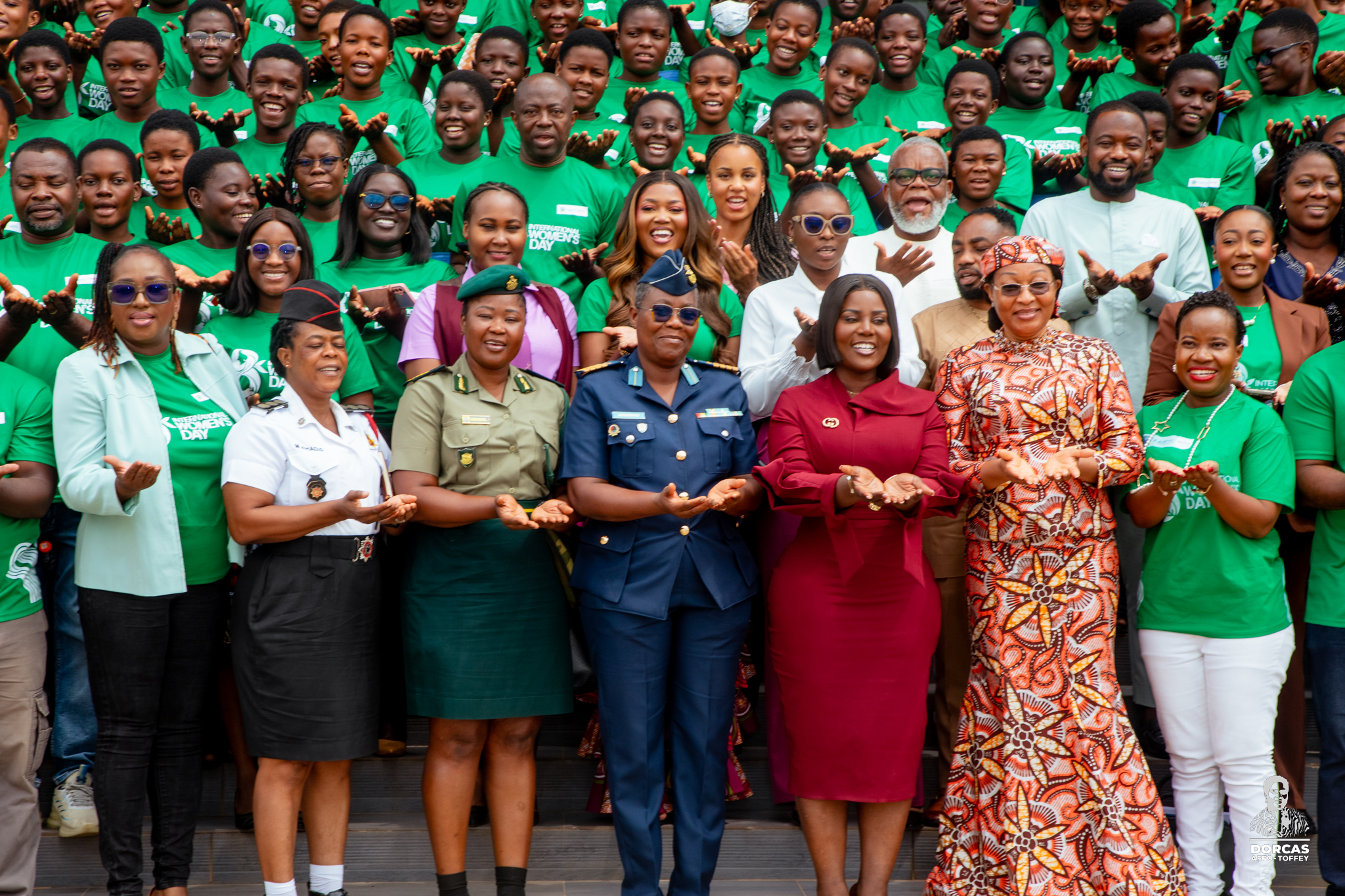
The government is making efforts to ensure participation of women and girls in the transport sector.
It is supporting training and capacity-building opportunities for young women interested in careers in logistics, transport, engineering, aviation, and maritime services.
The Deputy Minister for Transport, Dorcas Affo-Toffey, gave the hint at the commemoration of International Women’s Day, 2026, in Accra.
It was under the theme “Investing in Gender Equality for a More Inclusive and Safer Ghana for All”.
The Deputy Minister, who is also the Member of Parliament for Jomoro Constituency in the Western Region, said, “In this regard, efforts within the transport sector are focused on promoting gender-responsive transport policies that reflect the needs of women and girls, encouraging greater participation of women in the transport industry, including leadership, technical, and operational roles, improving safety within public transport systems to better protect women and other vulnerable groups, and supporting training and capacity-building opportunities for young women interested in careers in logistics, transport, engineering, aviation, and maritime services.”
“The Government of Ghana remains firmly committed to strengthening policies that promote gender equality and inclusion. Through frameworks such as the National Gender Policy and the Affirmative Action (Gender Equality) Act, we continue to work toward removing systemic barriers that limit the advancement of women,” she added.
She explained that “this theme reminds us that gender equality is not only a matter of fairness and human rights; it is also a critical investment in the progress, stability, and prosperity of our nation.
“This year’s reflections also highlight an important principle: ‘Give to Gain.'” When societies give women and girls equal opportunities—through education, protection, and support—the entire nation benefits. We see stronger families, healthier communities, and a more productive economy. Simply put, when we invest in women and girls, we invest in the future of Ghana,” the MP said.
Madam Affo-Toffey said, “Ghanaian women continue to play indispensable roles in our families, communities, institutions, and industries. From entrepreneurship and public service to education, agriculture, and transportation, women consistently demonstrate resilience, leadership, and innovation.”
“Despite the progress we have made, many women and girls still face barriers that limit their full participation in national development. These include unequal access to economic opportunities, under-representation in leadership, gender-based discrimination, and harmful cultural practices that restrict the potential of women and girls. As we educate ourselves and our communities about gender equality, we must also confront and challenge cultural norms that undermine the dignity, safety, and rights of women and girls. Practices that deny girls access to education, limit women’s participation in decision-making, or perpetuate gender stereotypes must be addressed through awareness, dialogue, and collective action”.
The Jomoro MP added that “gender equality ultimately benefits everyone. It allows both women and men, girls and boys, to reach their full potential and contribute meaningfully to national development”.
“Within the transport sector, we recognise that transportation plays a critical role in shaping inclusive development. Safe, reliable, and accessible transport systems enable women and girls to pursue education, engage in economic activities, access healthcare, and participate fully in society. It is therefore important that we continue to promote gender-responsive transport systems that address the mobility and safety needs of women and girls.”
She explained that “achieving gender equality requires strong collaboration across sectors. I commend institutions such as the Kofi Annan International Peacekeeping Training Centre, the Ghana Armed Forces, and other security sector institutions for their continued efforts to integrate gender perspectives into their policies and operations”.
The Deputy Minister acknowledged the invaluable contributions of Ghana’s development partners, such as GIZ and UN Women, whose support continues to strengthen gender equality initiatives and institutional capacity across Ghana.
“Equally important is the role of our educational and youth institutions, including the Ghana Education Service and the National Youth Authority. Empowering young people—especially young girls—with education, mentorship, and leadership opportunities remains one of the most powerful investments we can make for the future of our nation”.
She noted that “achieving gender equality is not the responsibility of women alone. It requires the commitment of both men and women, working together to challenge stereotypes, promote respect, and build inclusive societies.”
“If we are truly to ‘Give to Gain’, then we must give our support, our voices, and our leadership to advancing equality and justice for all. As we commemorate this important day, let us renew our collective commitment to building a Ghana that is inclusive, safe, and full of opportunity for every citizen.”
By Timothy Antwi-Otoo|3news.com|Ghana
