
Mounting economic pressure on workers has reignited calls for a comprehensive overhaul of Ghana’s wage structure, with Organised Labour warning that current pay levels are no longer sustainable.
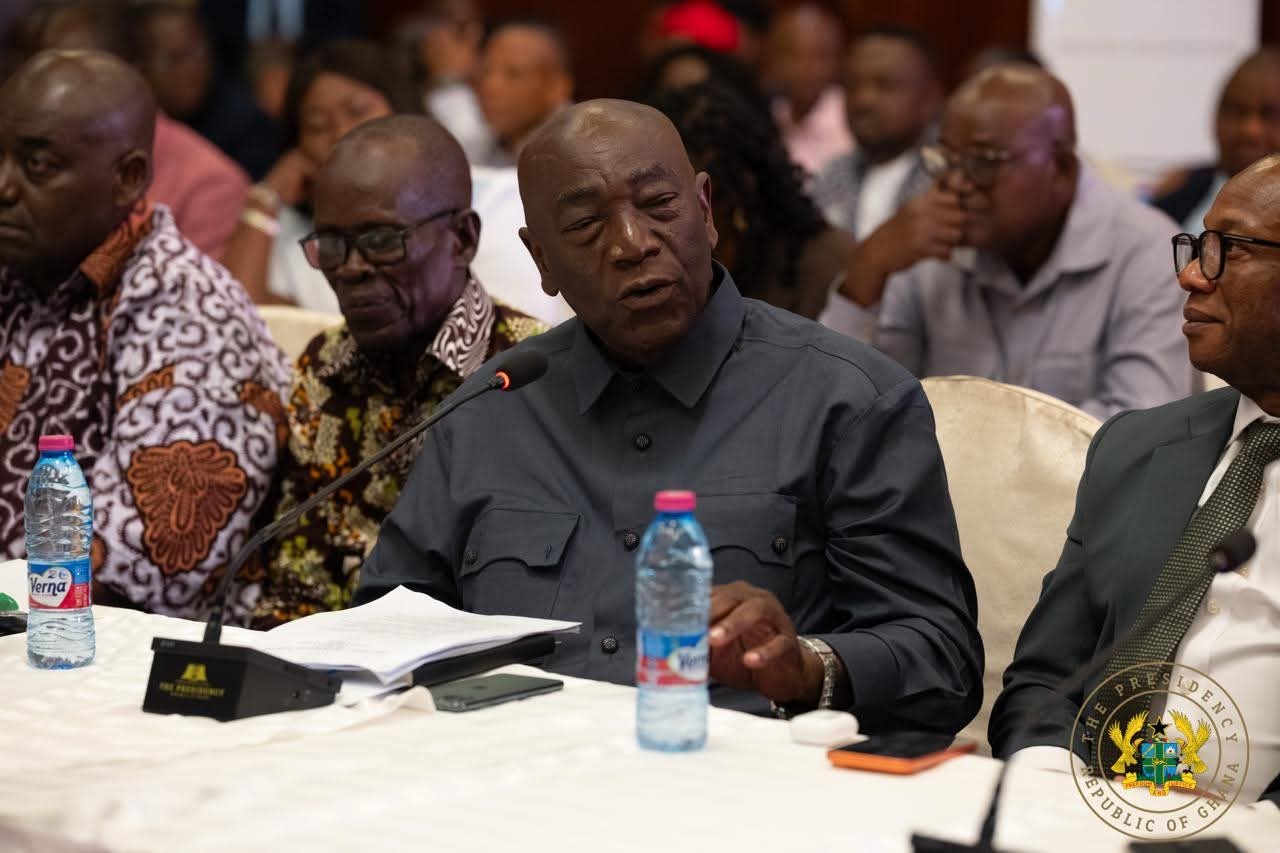
At a high-level dialogue in Accra, Secretary-General of the Ghana Trades Union Congress, Joshua Ansah, urged government to adopt a national incomes policy that guarantees a living wage and addresses deep-rooted inequalities in the public sector.
He argued that existing wage adjustments have failed to keep pace with the rising cost of living, leaving many workers unable to meet basic needs.
The national daily minimum wage, currently pegged at GH¢21.78—about GH¢588 monthly—was cited as a clear reflection of the problem. Labour leaders say the figure falls significantly short of what is required for a decent standard of living.
Beyond low pay, the labour front also highlighted structural imbalances within the public sector salary system. While a majority of workers benefit from allowances, a significant minority rely solely on base pay, creating disparities among employees in similar roles.
The concerns extend into retirement, where stark inequalities persist. Organised Labour pointed to a wide gap between pensioners at the lower end, earning about GH¢400 monthly, and those at the top receiving over GH¢200,000—describing the system as unfair and in urgent need of reform.
Labour leaders further warned that delays in negotiations over conditions of service could heighten tensions and trigger industrial action, potentially disrupting public services.
Responding to the concerns, Chief Executive Officer of the Fair Wages and Salaries Commission, George Smith-Graham, acknowledged weaknesses in the current remuneration framework, noting that inconsistencies and the proliferation of allowances have undermined the Single Spine Salary Structure.
He stressed the need for structural reforms to restore fairness and efficiency in public sector pay.
The economic toll of unresolved labour disputes is already evident. Data from the Commission shows that strikes in 2024 resulted in losses of GH¢1.47 billion, while eight recorded industrial actions in 2025 cost the economy an additional GH¢635 million.
READ ALSO: Government Introduces New Emoluments Policy to Reform Public Sector Pay
Despite the tensions, there are signs of progress. The Civil and Local Government Staff Association Ghana has suspended its strike following assurances from government, offering temporary relief.
However, analysts warn that without decisive and comprehensive reforms, Ghana’s wage system could continue to fuel dissatisfaction, widen inequality, and impose heavy costs on the economy.
