
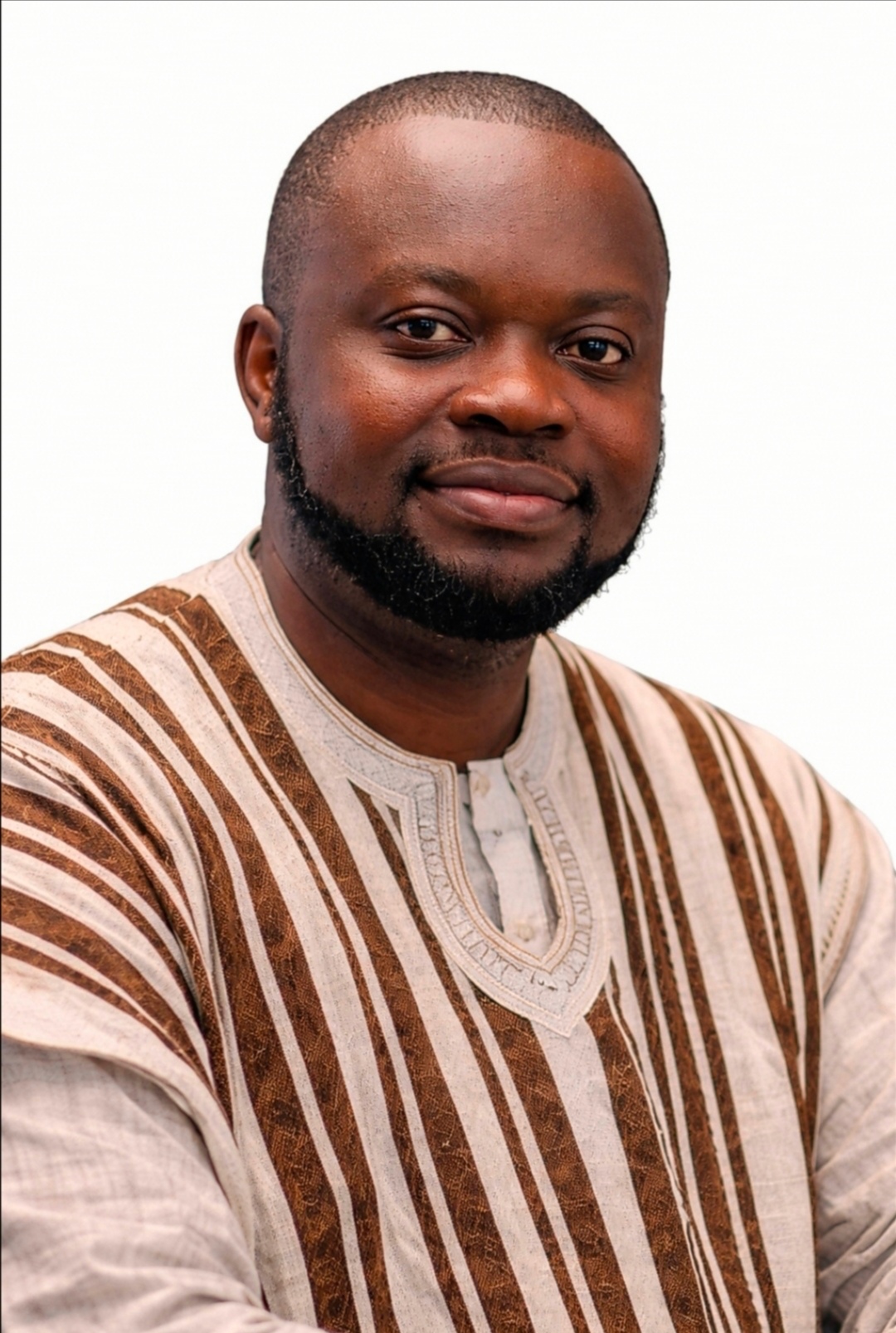
Dr Joseph Kobla Wemakor, Executive Director of Human Rights Reporters Ghana (HRRG), has reaffirmed his outfit’s commitment to supporting advocacy efforts aimed at advancing disability inclusion and the ratification of the African Disability Protocol (ADP) in Ghana.
He said the media had a crucial role to play in amplifying the voices of persons with disabilities and ensuring that disability-related issues remained visible in national discourse and policy discussions.
Dr Wemakor said this during an Inception and Stakeholder Engagement Workshop organized by the Women with Disability Development and Advocacy Organization (WODAO) in collaboration with the Network of Women with Disabilities Africa (NEWDA) in Accra.
The workshop, held under the project titled: “Strengthening the Women with Disabilities Movement and Advancing the Ratification of the African Disability Protocol in Ghana,” brought together parliamentarians, disability rights advocates, journalists, civil society organizations, development partners and government representatives.
Delivering a solidarity message, Dr Wemakor commended WODAO and NEWDA for spearheading what he described as a timely initiative aimed at promoting disability rights, inclusion and social justice for women and girls with disabilities.
He noted that women with disabilities continued to face discrimination, exclusion and barriers that limited their participation in education, employment, leadership and national development.
“The media has a responsibility to ensure that issues affecting persons with disabilities remain part of national conversations and policy reforms,” he stated.
Dr Wemakor pledged HRRG’s support towards promoting disability rights advocacy, inclusive governance and stakeholder collaboration to help accelerate Ghana’s ratification of the African Disability Protocol.
According to him, ratifying the protocol would strengthen Ghana’s legal and policy framework on disability inclusion and reinforce the protection of the rights and dignity of persons with disabilities, particularly women and girls.
He called on Parliament, government institutions, civil society organisations, journalists and development partners to work collectively towards building a more inclusive society where persons with disabilities could fully participate in national development.
Professor Augustina Naami, Convener of NEWDA, said women with disabilities continued to face multiple forms of discrimination, exclusion and marginalization.
She said women and girls with disabilities were more vulnerable to violence, unemployment and poverty due to societal barriers and limited opportunities.
Prof Naami urged stakeholders to support the ratification of the African Disability Protocol to strengthen the protection of the rights of persons with disabilities in Ghana.
Hon. Frank Asiedu Bekoe, Member of Parliament for Suhum and representative of the Parliamentary Caucus on Persons with Disabilities, reaffirmed Parliament’s commitment to promoting disability-inclusive legislation and policy reforms.
He said the ratification of the protocol would reinforce the protection, dignity and participation of persons with disabilities, especially women and girls who faced multiple forms of discrimination.
Mr Mohammed Abdul-Razak, Programme Manager at Sightsavers Ghana, expressed concern over Ghana’s delay in ratifying the protocol despite the country’s reputation in championing disability inclusion in Africa.
He urged Parliament, government institutions and disability advocates to intensify efforts towards the ratification and implementation of the protocol.
Ms. Veronica Denyo Kofiedu, Executive Director of WODAO and Project Lead, said the initiative formed part of a broader advocacy programme funded by ADD International under the Disability Justice Fund for Women.
She said the project sought to strengthen leadership among women with disabilities, amplify their voices and build strategic partnerships capable of influencing national policy and advocacy.
The workshop ended with renewed calls for stronger collaboration among stakeholders to advance the ratification and implementation of the African Disability Protocol in Ghana.
