
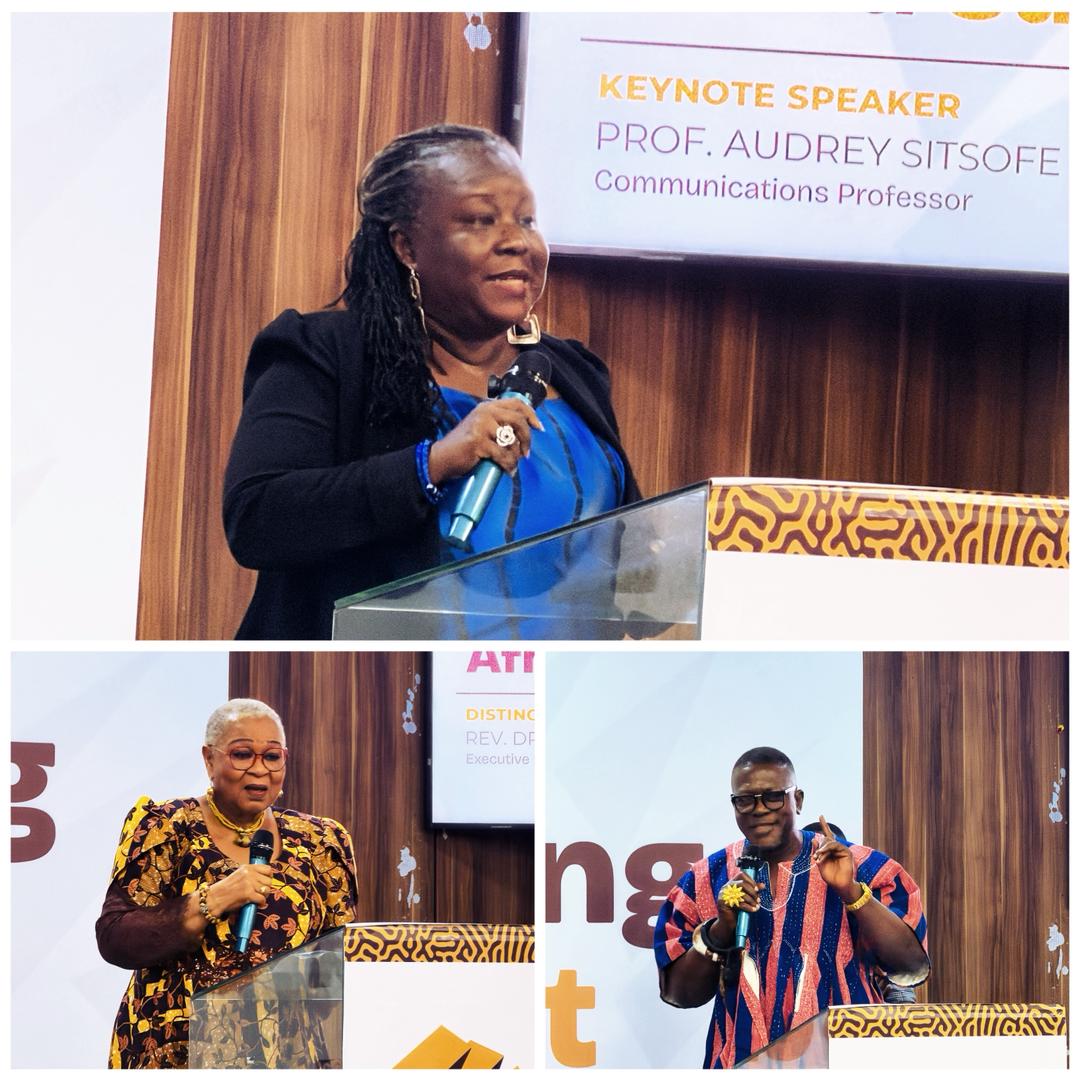
Africans Communicating Africa (AfriComms Africa) has held its inaugural Communicating Africa Summit in Accra, as part of sustained efforts to reclaim Africa’s narrative space and reposition the continent in global discourse.
The summit brought together communication experts, diplomats, academics, journalists, filmmakers, policymakers, and digital creators to discuss ways to amplify African stories and reshape the continent’s role in global conversations.
The discussions centered on a common concern about the long-standing misrepresentation of Africa and the pressing need for Africans to take charge of how their stories are shared, received, and understood around the world.
Reclaiming Africa’s narrative identity
Speaking on “Owning the African Narrative,” University of Ghana Communications Professor Audrey Sitsofe Gadzekpo called the summit a historic chance to reshape how the world sees Africa and to reposition the continent in global communication networks.
She noted that Africa has often been represented through negative Western narratives shaped by colonial literature, global media coverage, and long-standing stereotypes that consistently emphasize poverty, conflict, and instability.
Prof. Gadzekpo cautioned that the dominance of a “single story” about Africa distorts the continent’s reality, erases its diversity and complexity, and reinforces global power imbalances that affect how Africa is seen and engaged.
She further explained that such narratives carry both psychological and economic consequences, influencing self-perception within African societies while also shaping investment flows, policy decisions, and international engagement.
Prof. Gadzekpo highlighted the rising impact of artificial intelligence on global communication systems, cautioning that new technologies might unintentionally reinforce existing biases if African perspectives, datasets, and governance structures aren’t properly integrated into their creation and use.
She stressed that the future of African storytelling must therefore include not only media reform but also active participation in shaping the digital and technological systems that increasingly define global narratives.
Call for continental narrative ownership
Rev. Dr. Joyce Aryee, Executive Director of Salt and Light Ministries, called the first-ever Communicating Africa Summit the start of a continent-wide movement to reclaim Africa’s narrative voice in global conversations.
She emphasized that Africa’s story should be told by Africans, pointing out that persistent negative portrayals have shaped global views, impacted investment choices, and even influenced how Africans see their own identity and potential.
Rev. Dr. Aryee noted that ongoing narratives focused on poverty, conflict, and instability have often eclipsed Africa’s accomplishments in innovation, entrepreneurship, resilience, and cultural growth across many sectors.
She encouraged African communicators, policymakers, and development actors to actively present a more balanced and genuine portrayal of the continent, showcasing both its challenges and its strengths.
According to her, efforts to reclaim Africa’s narrative go beyond branding, stressing that it is a strategic issue tied to dignity, economic opportunity, and the continent’s positioning in global affairs.
Rev. Dr. Aryee further urged stakeholders to anchor Africa’s development story in responsible growth, environmental stewardship, and sustainable use of resources, noting that the continent’s progress must safeguard future generations.

Communications for Social Change Advocate, Togbe Kwasinyi Kakaklolo Agyeman V, has urged Africans to take full ownership of their narratives, stressing that communication remains a critical force in shaping perception, influence, and development outcomes across the continent.
He said communication should not be treated as a soft or secondary skill, but rather as a strategic instrument that directly influences investment flows, institutional credibility, policy direction, and national development trajectories.
According to him, the way Africa is represented in global and local discourse has direct consequences on economic opportunities, reputation, and how the continent is engaged by international partners.
He emphasized that every individual plays a role in shaping narratives, noting that communication extends beyond formal media practice to everyday expression, behaviour, and cultural identity.
Togbe Kwasinyi Kakaklolo Agyeman V called for more intentional storytelling that reflects Africa’s dignity, complexity, and truth, rather than simplified or externally defined narratives.
He further encouraged communicators to adopt a more deliberate and strategic approach to storytelling that positions Africa as an active producer of knowledge, ideas, and global influence.
Conversation Lead calls for community-driven storytelling
Conversation Lead and Communications for Development Advocate, Georgina Asare Fiagbenu, said the summit was born out of a shared vision to strengthen how Africans tell their stories and build a connected community of communicators across the continent.
She explained that communication professionals must move beyond routine messaging and take on a greater responsibility to inspire, educate, and shape narratives that reflect Africa’s true identity.
According to her, communication is no longer limited to traditional media or public relations, as digital platforms have empowered individuals across Africa to influence global narratives.
She noted that the summit was also designed to challenge stereotypes about Africa, including perceptions around professionalism and organisation, by demonstrating excellence in execution.
She called for sustained collaboration among communicators across Africa through continuous engagement, knowledge sharing, and cross-border learning.
Georgina Asare Fiagbenu further stressed that African storytelling must reflect innovation, resilience, creativity, and opportunity, rather than being defined only by challenges.
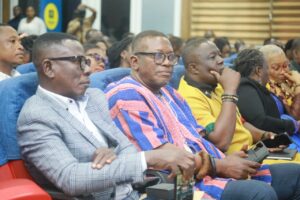
AfriComms Africa as a movement, not just a forum
International Communication Strategist, Vil Commey, described the summit as a “family gathering” of African communicators, highlighting the deep professional and personal connections among participants.
He reflected on shared academic and professional journeys that have shaped the field of communication across the continent.
According to him, AfriComms Africa is not just a platform for discussions but a sustained movement aimed at reshaping Africa’s narrative through consistent engagement, campaigns, and collective action.
He emphasized that the initiative seeks to go beyond dialogue by driving measurable outcomes that will influence how Africa is perceived globally.
Vil Commey also underscored the importance of sustained collaboration among African communicators across borders, institutions, and sectors.
He called for active engagement on digital platforms and continuous knowledge sharing, stressing that the ultimate goal is coordinated storytelling that redefines Africa’s global image.
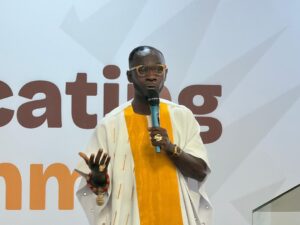
Okyeame Kwame: Africa must own its identity narrative
Ghanaian musician and activist Okyeame Kwame urged Africans to reconnect with their cultural identity and reject narratives that undermine African traditions and self-perception.
He argued that Africa’s development discourse must begin with pride in its own identity, values, and systems, rather than comparisons that place the continent in a constant state of deficit.
He explained that Africa’s identity is layered from family to tribe, community, nation, and continent—and stressed that storytelling must reflect this rooted sense of belonging.
According to him, African narratives are often shaped through inherited colonial frameworks that influence perceptions of professionalism, religion, education, and culture.
He challenged long-standing biases that portray African traditional systems and beliefs as inferior, arguing that such framing distorts cultural confidence and understanding.
Citing personal reflections, he noted that African cultural practices are often misrepresented, while similar practices elsewhere are respected or commercialised.
He also pointed to inconsistencies in global treatment of cultural and sacred sites, where similar natural features are revered in other regions but dismissed in African contexts.
READ ALSO: AU Day Summit Warns of Severe Water Crisis Threat Across Africa
Okyeame Kwame further stressed that Africa’s storytelling challenge is not only external but internal, pointing to a lack of confidence in African identity as a major barrier to progress.
He argued that communication efforts alone are insufficient unless Africans first embrace and value their heritage, traditions, and worldview.
He concluded by urging communicators to reconsider whether Africa’s narratives will continue to mirror external ideologies or be rebuilt from authentic African experiences and realities.
A continental platform for narrative transformation
The Communicating Africa Summit is expected to serve as a long-term platform for collaboration among African communicators, aimed at strengthening storytelling systems and amplifying authentic African voices across global media and digital spaces.

Source: Isaac Kofi Dzokpo
