
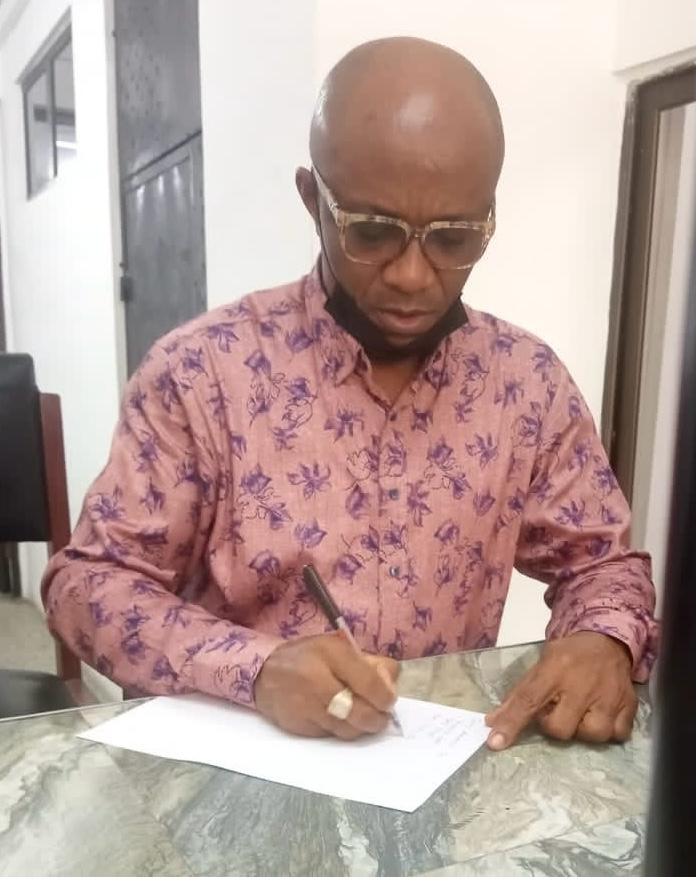
Calls are mounting for the swift prosecution of Nigerian national Sunny Anwamini, who is facing trial alongside four others over an alleged $6.5 million fraud scheme.
This follows his petition to President John Dramani Mahama claiming he has been subjected to administrative injustice by the Economic and Organised Crime Office (EOCO).
The petition, dated April 28, 2026, Anwamini seeks executive intervention over what he describes as the prolonged freezing and detention of his properties since his arrest in 2022.
He also alleges that his arrest was politically motivated because of his association with Prince Haruna Mahama and claims EOCO failed to act on information he provided concerning the alleged importation of arms and ammunition into Ghana by Ukrainian businessman Mazen Farakh.
However, the petition has sparked debate, with many insisting that the allegations raised should not distract from the criminal proceedings already before the High Court.
Anwamini is currently standing trial with his wife, Vivian Awinongya Agongo, William Femeyibor, lawyer Andrew Kudzo Vortia and lawyer John Mark Bekui over charges of conspiracy to defraud, defrauding by false pretence, uttering forged documents and money laundering.
According to EOCO, the accused persons orchestrated an elaborate scheme that allegedly induced Ukrainian investor Mazen Farakh to transfer $6.5 million for the purchase and export of teak wood from Ghana to Ukraine.
Investigators allege that Anwamini falsely claimed he had substantial quantities of teak wood stored in bonded warehouses and required funds to secure export licences and other regulatory documentation before shipment.
The prosecution further alleges that forged export and shipping documents were subsequently produced to convince the complainant that the transaction was genuine, while two lawyers retained by the investor to safeguard his interests allegedly facilitated the fraudulent scheme instead.
Despite receiving the funds, prosecutors say the promised teak wood was never delivered.
EOCO has since frozen several assets belonging to Anwamini, including luxury vehicles and wristwatches reportedly worth more than $1 million, pending the outcome of the criminal trial.
The complainant has also petitioned the General Legal Council over the alleged professional misconduct of the two lawyers facing trial.
The latest petition to the President has, however, drawn mixed reactions, with many legal observers arguing that while every accused person has the constitutional right to seek administrative remedies, such petitions should not delay or interfere with the prosecution of serious economic crimes.
Some analysts believe the petition is unlikely to affect the criminal proceedings and argue that the case should proceed expeditiously in the interest of justice, particularly given the magnitude of the alleged fraud and its implications for investor confidence in Ghana.
They contend that Ghana’s reputation as a preferred destination for foreign investment depends largely on the effective prosecution of economic crimes and the ability of state institutions to hold alleged perpetrators accountable through due process.
Observers also note that the issues raised in Anwamini’s petition are separate from the criminal charges before the High Court and should be addressed through the appropriate legal and administrative processes without impeding the trial.
As of the time of filing this report, there was no indication that the Presidency had taken any action on Anwamini’s request for intervention.
The criminal case against him and his four co-accused remains pending before the High Court.
