
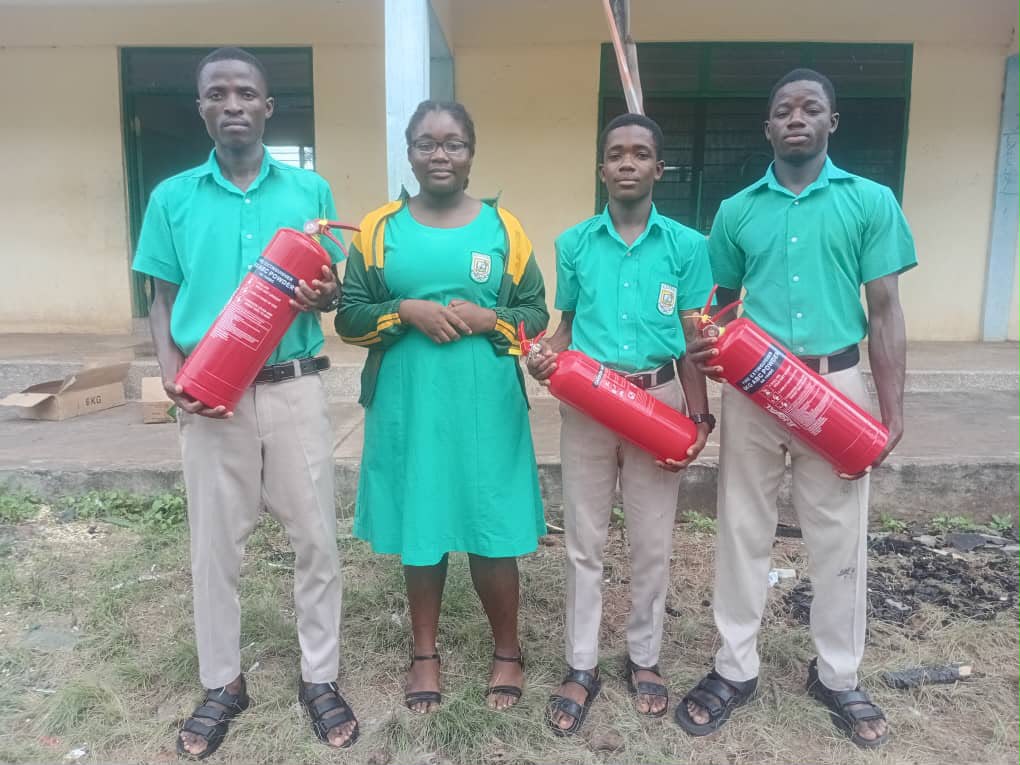
When a fire recently broke out at Leklebi Senior High School, reportedly following a power surge, it sparked more than concern among parents; it ignited a personal mission for Dr. Wanda Evans-Brewer.
For the concerned mother and Parent-Teacher Association (PTA) member, the incident was a stark reminder of the risks facing thousands of students who sleep in boarding school dormitories across Ghana.
“My first thought was not about the damage to the building,” she recalls. “My first thought was: What if the students had been asleep?”
That question has since become the driving force behind her campaign to improve fire safety in schools and encourage parents, alumni, businesses, and members of the Ghanaian diaspora to take a more active role in protecting students.
A Growing Concern for Boarding Schools
Unlike day schools, boarding institutions house hundreds of students under one roof, many of whom spend nights in shared dormitories. In the event of a fire, especially during sleeping hours, the danger can escalate rapidly.
Smoke can spread unnoticed, visibility can disappear within moments, and panic can make evacuation difficult. Experts have long emphasized that preparation, early detection and emergency planning are critical to preventing tragedy.
For Dr. Wanda, the fire at Leklebi SHS exposed the urgent need to move beyond reacting to disasters and instead focus on preventing them.
“Too often we wait until after a fire has occurred before support arrives,” she says. “We need to start asking what we can do now to reduce the risks before another school experiences a similar incident.”
Turning Concern Into Action
Rather than waiting for authorities or institutions to take the first step, Dr. Wanda mobilized friends and colleagues to support the school.
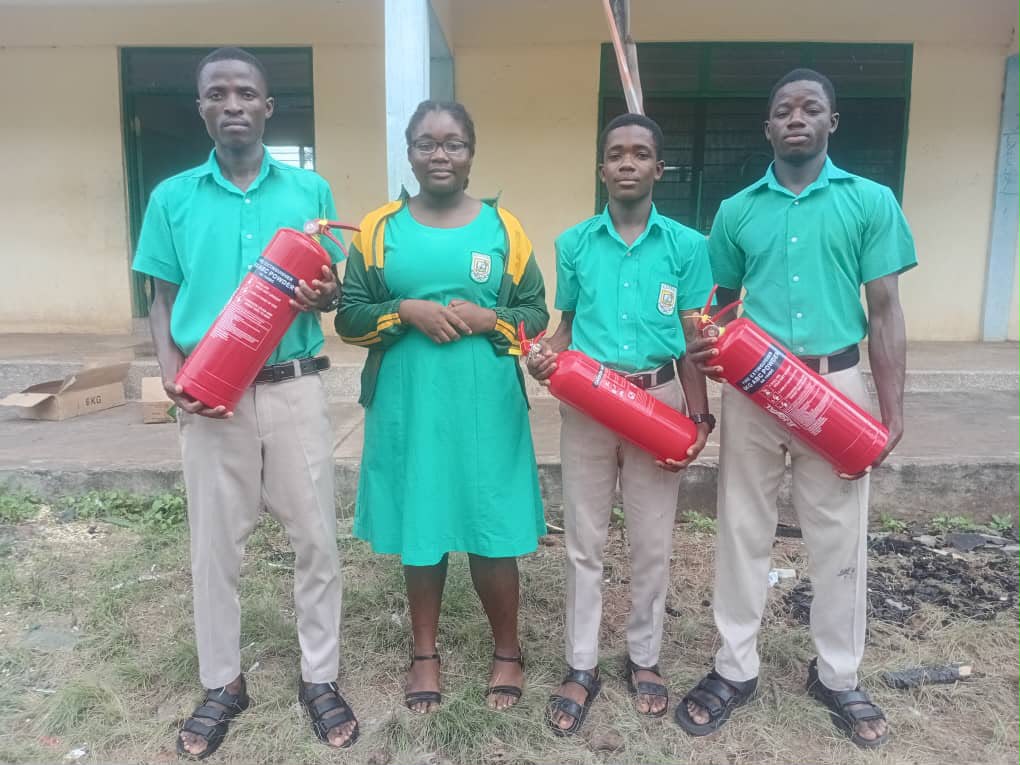
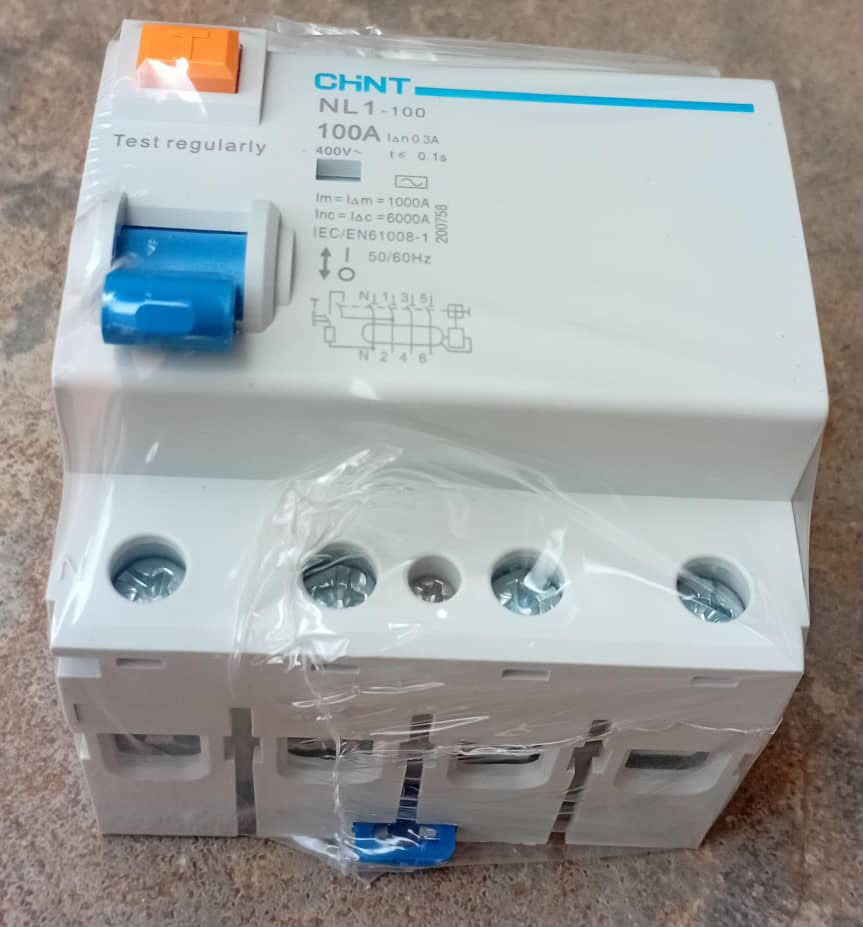
The fundraising effort, though modest, produced tangible results. Through contributions from supporters, the school received four fire extinguishers, three smoke alarms and a new circuit breaker.
While acknowledging that these items alone cannot guarantee complete safety, she believes they represent an important beginning.
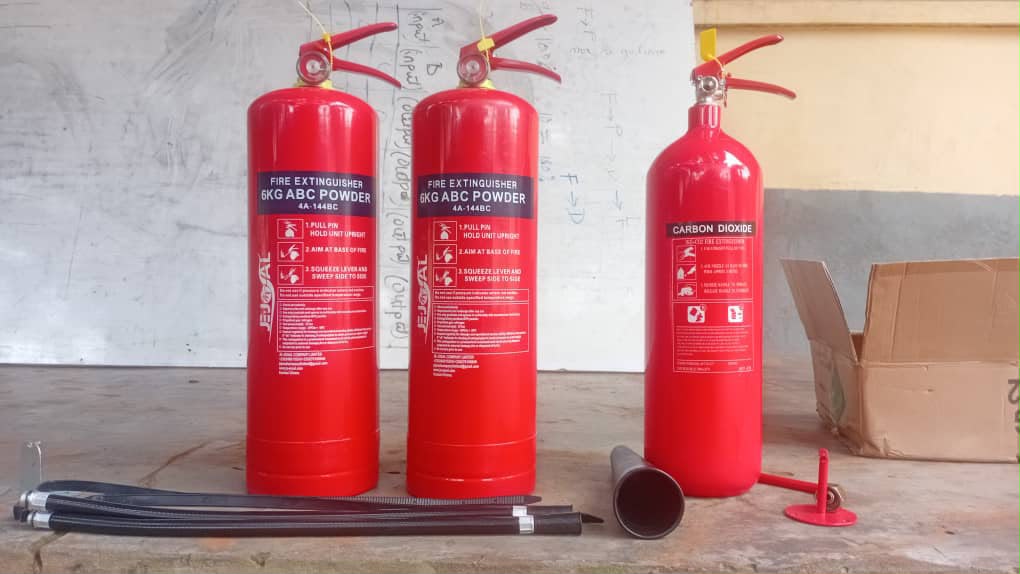
“These donations are not just equipment,” she explains. “They represent action. They show what can happen when people decide that protecting children is everyone’s responsibility.”
More Than Equipment
Dr. Wanda stresses that true fire safety goes beyond installing a few extinguishers or alarms.
According to her, schools must adopt a comprehensive approach that includes smoke detection systems, functioning electrical protection, regular inspections, fire drills, clear evacuation routes, staff training and student awareness programmes.
She believes school administrators should routinely assess whether existing fire safety equipment is operational and whether students know how to respond in an emergency.
“Fire extinguishers are important, but they are only one part of a broader safety system,” she notes. “Preparedness saves lives.”
A National Responsibility
Recent fire incidents affecting educational institutions across Ghana have highlighted the vulnerability of school infrastructure and the need for stronger preventive measures.
Dr. Wanda argues that ensuring the safety of students should not rest solely on the shoulders of school authorities or government agencies.
Instead, she is calling for a partnership involving parents, PTAs, alumni associations, businesses, traditional leaders, community groups and Ghanaians living abroad.
She believes every school should benefit from regular fire-safety reviews and that communities should consider supporting preventive projects before disaster strikes.
“Imagine if every alumni association adopted a school and funded smoke alarms or fire extinguishers,” she says. “Imagine if businesses sponsored fire-safety inspections as part of their community outreach programmes. Small contributions can make a significant difference.”
A Message to Parents and the Diaspora
The education advocate is encouraging parents to take a closer look at the safety conditions in their children’s schools.
She wants parents to ask questions about fire inspections, emergency preparedness, evacuation drills and the condition of electrical systems.
Her appeal also extends to Ghanaians abroad who once attended boarding schools and may be looking for meaningful ways to give back.
“Think about the dormitory where you once slept,” she says. “Think about the children sleeping there today. Your next contribution could help prevent a future tragedy.”
Let Prevention Become a Culture
For Dr. Wanda, the lessons from Leklebi SHS are about more than one school. They are about creating a national culture of prevention.
She believes Ghana has an opportunity to strengthen fire safety in educational institutions through collaboration, awareness and proactive investment.
“We cannot guarantee that fires will never occur,” she says. “But we can ensure that schools are better prepared, that dangers are detected early and that students and staff know what to do when emergencies arise.”
Her message is simple but powerful: do not wait for the next fire before taking action.
“What began with one concerned parent and a few donations can become something much bigger,” she says. “If every community decides to act before disaster strikes, we can make our schools safer for every child.”
As schools prepare for new academic terms and students return to dormitories across the country, Dr. Wanda hopes the conversation sparked by Leklebi SHS will inspire a nationwide commitment to fire prevention.
“Every child deserves to go to sleep in a safe environment,” she says. “And every parent deserves the peace of mind that everything reasonably possible has been done to protect them.”
By Dr. Wanda Evans-Brewer
