
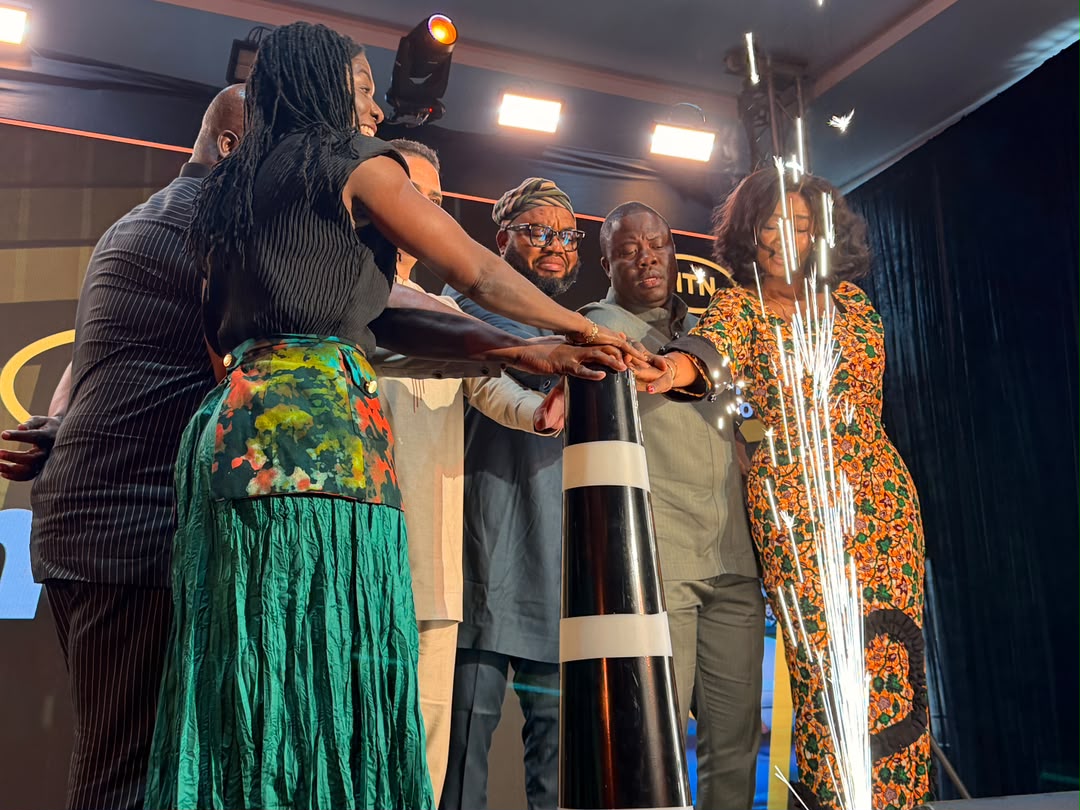
MTN Ghana has launched its digital entertainment platform, MTN One TV, as part of efforts to transform Ghana’s creative industry, expand the global reach of local productions, and create sustainable revenue opportunities for filmmakers, broadcasters, and digital content creators.
The initiative is aimed at addressing longstanding challenges confronting Ghana’s creative sector, particularly limited distribution channels, inadequate financing, piracy and the difficulty many content producers face in generating meaningful income from their work.
The platform brings together Ghanaian films, television productions, live television channels and international entertainment, offering audiences flexible viewing options while providing content owners with opportunities to distribute and monetise their productions.
The launch formed part of an inaugural industry conference held under the theme, “Empowering Ghana’s Creative Industry Through Collaboration and Digital Innovation,” which attracted government officials, filmmakers, producers, actors, broadcasters, media executives, technology professionals and other key stakeholders.
MTN Targets Ghana’s Untapped Creative Potential
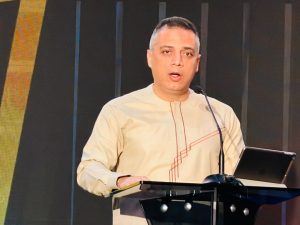
The Chief Digital Officer of MTN Ghana, Mr Ibrahim Misto speaking at the launch explained that the introduction of One TV represented a significant step towards building a commercially sustainable digital entertainment ecosystem capable of connecting Ghanaian creativity to larger markets.
He said Ghana possessed enormous creative potential, with talented filmmakers, actors, producers, writers, musicians and digital content creators producing compelling stories that reflected the country’s identity, history and cultural heritage.
However, he observed that the absence of adequate distribution opportunities and strategic partnerships continued to limit the commercial success of many productions.
According to him, producing quality content was no longer sufficient in an increasingly competitive digital environment, as creators also required access to audiences, technology and reliable revenue opportunities. “This is where MTN One TV comes in,” he stated.

Mr Misto explained that the platform was designed to bridge the gap between content creation and consumption by connecting producers, broadcasters, advertisers, technology partners and audiences within a single digital entertainment ecosystem.
He said partnerships with content owners would help improve the visibility of Ghanaian productions, broaden their distribution and create opportunities for emerging talent to gain recognition.
He emphasised that the economic impact of the initiative could extend across the creative value chain, supporting writers, directors, actors, editors, technicians and production crews whose livelihoods depended on the industry’s growth.
The Chief Digital Officer stressed that MTN’s ambition went beyond attracting viewers to creating an environment in which Ghanaian creators could earn sustainable income, expand their businesses and compete effectively in the global entertainment market.
He further highlighted the importance of protecting Ghana’s cultural identity through digital storytelling. “Our stories carry our history, languages, traditions and values,” he said.
Mr Misto maintained that providing Ghanaian productions with stronger digital visibility would not only promote local talent but also preserve indigenous languages, traditions and cultural values for future generations.
He noted that the initiative coincided with MTN Ghana’s 30th anniversary celebrations under the theme, “30 Years of Progress, Powered by You.”
Reflecting on the company’s journey, he said MTN had evolved from a telecommunications operator primarily offering voice and data services into a digital platform business supporting innovation, entrepreneurship and broader economic development.
He described One TV as another milestone in that transformation, demonstrating the company’s determination to leverage its technological capabilities to create opportunities beyond traditional telecommunications.
Mr Misto called for stronger collaboration among filmmakers, content creators, broadcasters, telecommunications operators, investors, regulators and technology providers to build a competitive and sustainable entertainment industry. “We want to hear from you. We want to understand your challenges,” he assured industry stakeholders.
He said the company’s objective was to develop commercially meaningful partnerships that would deliver value to creators while improving entertainment choices for consumers.
“Together, let’s use technology to give Ghanaian stories greater reach, create new opportunities for our creative talent, and build an industry that is competitive, sustainable, and proudly Ghanaian,” he urged.

One TV Must Deliver Real Earnings for Creators — Dr Bless Sefenu
The Senior Manager for Digital Services and Verticals at MTN Ghana, Dr Bless Sefenu, reinforced the company’s commitment to building an inclusive entertainment platform that would respond directly to the needs of Ghanaian content producers.
He said Africa’s rich storytelling heritage presented enormous opportunities for digital innovation, commercial expansion and international recognition.
Tracing the evolution of storytelling from traditional fireside gatherings, folklore, music, dance and talking drums to radio, television and modern streaming services, he observed that technological advancement had transformed the delivery of stories without diminishing their cultural significance.
Dr Sefenu stressed that Africa had never lacked compelling stories or talented storytellers, but the challenge remained how to distribute African content effectively and generate greater economic value from it.
He said the digital revolution had created an opportunity for African creators to take ownership of their narratives, reach wider audiences and build sustainable businesses around their creative works.
According to him, MTN One TV was intended to strengthen the connection between quality content and audiences while providing creators with greater visibility, wider distribution and additional earning opportunities.
He cautioned, however, that attracting large audiences would be meaningless if the people producing the content continued to struggle financially.
A thriving creative industry, he explained, required more than viewership figures; it demanded sustainable revenue, consistent investment in quality productions and deliberate support for talent development. “That is why we want to build MTN One TV with you, and not simply for you,” he declared.
Dr Sefenu said MTN had deliberately positioned its inaugural One TV industry conference as a platform for open dialogue to ensure that filmmakers, producers and other stakeholders played an active role in shaping the initiative.
He encouraged participants to raise difficult questions, identify industry challenges and propose practical solutions capable of strengthening the platform and the wider creative ecosystem.
He also urged stakeholders to take advantage of the networking opportunities to establish partnerships that could translate into long-term commercial relationships.

Government Challenges MTN to Finance Ghanaian Films
The Deputy Minister for Communication, Digital Technology and Innovations, Hon. Mohammed Adams Sukparu, challenged MTN Ghana to demonstrate its commitment to the creative industry by investing in the production of original Ghanaian films and television programmes.
Speaking on behalf of the sector minister, Hon. Samuel Nartey George, he said the launch of One TV was a welcome development but insisted that digital distribution must translate into measurable economic benefits for Ghanaian creators.
He noted that although the internet had revolutionised the entertainment industry and opened global markets to local productions, many content owners continued to face serious financial and structural challenges.
He identified piracy, inadequate financing, the collapse of traditional CD and VCD distribution markets and dependence on international digital platforms as major obstacles to sustainable growth.
According to him, the increasing consumption of digital entertainment should create corresponding financial opportunities for the people responsible for producing the content.
He therefore urged MTN to move beyond licensing existing productions and explore direct investment in new Ghanaian films, television programmes and other creative projects.
Such investments, he explained, would stimulate local production, generate employment, support emerging talent and strengthen the country’s creative economy.
The Deputy Minister disclosed that the government had established a GH¢20 million Film Development Fund as seed funding to support the growth of Ghana’s film industry.
He stressed that public funding alone could not meet the industry’s investment needs and called for stronger private-sector participation.
He maintained that companies generating commercial value from creative content had a responsibility to contribute meaningfully to the development of the ecosystem producing it.
He further called for deliberate efforts to promote Ghanaian languages and indigenous productions to prevent local storytelling from being overshadowed by foreign entertainment.
Judge One TV by Creators’ Earnings, Not Viewership — Deputy Minister
The Deputy Minister stressed that the ultimate measure of One TV’s success should be its economic contribution to Ghana’s creative industry rather than merely the number of people watching content on the platform.
He said industry stakeholders must assess the revenue earned by creators, jobs generated, investments attracted and the proportion of economic value retained within Ghana.
According to him, Ghana’s creative industry could become a major driver of employment and economic transformation if digital platforms were structured to provide fair returns to content owners.
He also called for stronger measures to combat piracy and the unauthorised distribution of creative works, warning that weak intellectual property protection continued to undermine the commercial viability of local productions.
Hon. Sukparu also reaffirmed the government’s commitment to strengthening the policy and regulatory environment, expanding digital infrastructure, improving affordable connectivity and supporting skills development.
He cited the One Million Coders Programme as part of the government’s efforts to prepare Ghanaians for opportunities in the expanding digital economy.
Touching on artificial intelligence, he acknowledged its growing influence on film production, editing, animation, audience analysis and content distribution. However, he cautioned that technological advancement must not come at the expense of artists’ rights.
He stressed the need to protect the voices, images, identities and intellectual property of creators against unauthorised exploitation through artificial intelligence.
He said the Ministry of Communication, Digital Technology and Innovations would collaborate with the Ministry of Tourism, Culture and Creative Arts to promote responsible and ethical AI adoption within the industry.

Ghana’s Creative Talent Must Translate Into Economic Wealth — Deputy Tourism Minister
The Deputy Minister for Tourism, Culture and Creative Arts, Hon. Yussif Issaka Jajah, said the introduction of MTN One TV offered a major opportunity to reposition Ghana’s creative industry as a commercially viable sector capable of generating employment, attracting investment and contributing to national development.
Delivering an address on behalf of the sector minister, Hon. Abla Dzifa Gomashie, he said Ghana’s storytelling tradition had produced remarkable creative works over the years, but the economic benefits had not always adequately reached the individuals responsible for their production.
He cited celebrated Ghanaian productions, including Osofo Dadzie, Obra, Inspector Bediako and Love Brewed in the African Pot, as examples of the country’s rich cultural and entertainment heritage.
He observed that despite their contribution to national identity and cultural preservation, many creative professionals continued to face difficulties in converting their talent into sustainable livelihoods.
Hon. Jajah stressed that Ghana must move beyond celebrating its creative achievements and establish practical systems that allow artists, filmmakers and producers to benefit financially from their intellectual property.
He explained that the government’s revised cultural policy sought to position culture as an economically productive sector, with digital innovation and strategic collaboration playing central roles.
He commended MTN Ghana for its contributions to the creative economy through initiatives such as caller tunes and cultural festivals, describing One TV as another opportunity to deepen private-sector investment in Ghanaian entertainment.
According to him, a strong digital distribution platform could help connect local productions to new markets while strengthening the international competitiveness of Ghanaian storytelling.
The Deputy Minister identified intellectual property protection, professional training, quality content production and access to markets as critical areas requiring sustained attention.
He reaffirmed the government’s commitment to working with industry stakeholders, development partners and technology companies to establish an environment conducive to innovation, investment and creative entrepreneurship.
Hon. Jajah urged filmmakers and other creative professionals to embrace digital technology without compromising the authenticity of Ghanaian stories.
He also challenged participants to develop practical proposals that would address the industry’s structural challenges rather than allowing the conference to end without concrete outcomes.
He expressed optimism that MTN One TV would create new opportunities for emerging talent, expand the reach of Ghanaian productions and contribute to building a stronger and more competitive creative economy.
A New Test for Ghana’s Digital Creative Economy
The launch of MTN One TV represents a significant expansion of MTN Ghana’s digital business ambitions and introduces another potential distribution channel for an industry seeking greater investment, visibility and financial sustainability.
For Ghanaian filmmakers, producers and content owners, the platform presents an opportunity to reach wider audiences and explore new revenue streams in an increasingly digital entertainment market.
Source: Isaac Kofi Dzokpo
