
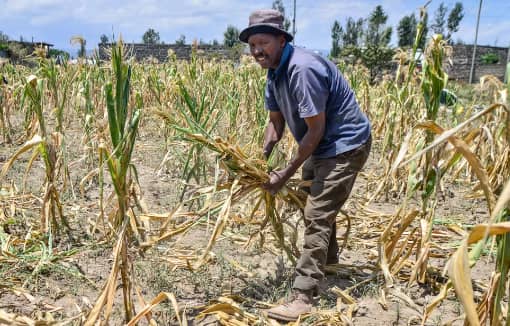
Climate change is one of the biggest challenges facing the world today. Its effects are evident in rising temperatures, unpredictable rainfall, and frequent droughts. Agriculture, which depends heavily on stable weather conditions, is among the most affected sectors.
Altered weather patterns are already reshaping food production, posing a serious threat to food security. While there are a few minor positive effects, the negative consequences are far greater, making global cooperation and sustainable practices necessary.
Climate change disrupts agricultural systems through temperature shifts, erratic rainfall, prolonged droughts, and the spread of pests and diseases.
These changes directly threaten food production and the livelihoods of millions of farmers worldwide. Crops that once thrived in predictable weather now face uncertainty, leaving farming communities vulnerable to hunger and economic loss.
In some regions, however, climate change has slightly extended growing seasons and allowed farmers to cultivate crops that previously could not survive. Warmer climates may also open up new agricultural zones in colder areas, creating opportunities for farming expansion. Yet, these positive effects are limited compared to the scale of challenges farmers face.
The negative impacts remain far more serious and widespread. Unpredictable rainfall leads to both floods and droughts, damaging crops and reducing yields. Pests and diseases are spreading faster under changing conditions, further threatening harvests. Farmers in developing countries, who often rely on traditional farming methods, are the hardest hit. Reduced harvests mean less food for communities, lower incomes for farmers, and greater vulnerability to hunger and poverty.
To address these challenges, adopting sustainable agricultural practices and technologies is essential. Improved irrigation systems, drought-resistant seed varieties, soil conservation techniques, and the use of renewable energy in farming can help farmers adapt to new realities. Beyond this, global cooperation among governments, scientists, and farmers is crucial.

READ ALSO:Leadership in the Brand Economy: Why Influence Outweighs Authority
Sharing knowledge, investing in climate-smart agriculture, and enacting policies that strengthen resilience will be key to reducing the negative impacts of climate change on agriculture.
In conclusion, the fight against climate change requires unity and commitment. Governments, farmers, and communities must embrace sustainable practices and work together to protect agriculture. By taking action now, the world can ensure food security and safeguard farming for future generations. The future of agriculture and humanity itself depends on the choices made today.
Written by Oswella Aba Ansah Nunoo
