
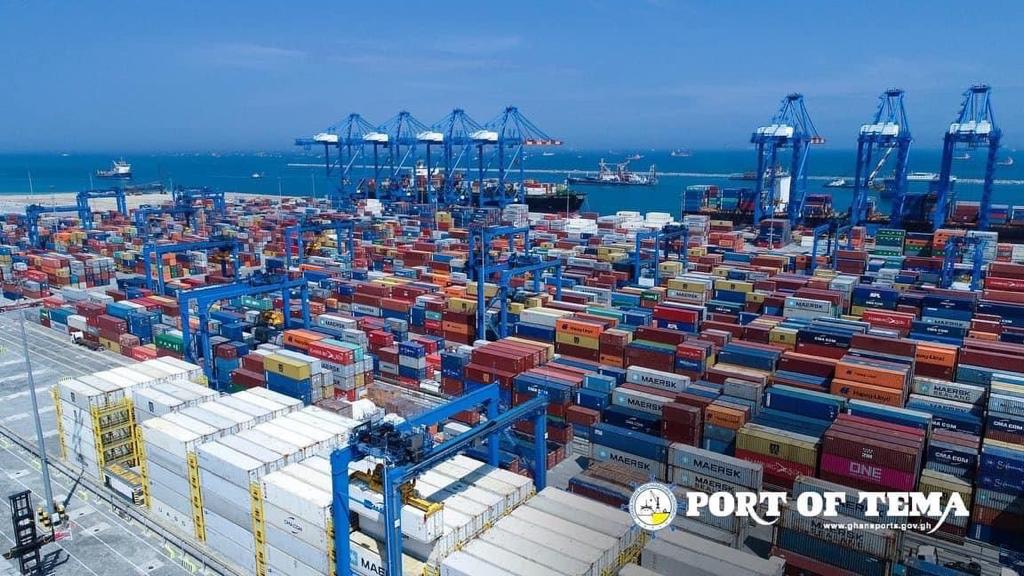
Ghana’s external trade posted a record surplus in the final quarter of 2025, but new data suggests the impressive performance may be masking deeper structural vulnerabilities within the economy.
According to the latest report by the Ghana Statistical Service, the country recorded a trade surplus of GH₵47.2 billion in Q4 2025 nearly triple the GH₵17.5 billion posted in the previous quarter as export earnings surged.
Total exports hit GH₵108.6 billion, significantly outpacing imports of GH₵61.4 billion, with overall trade valued at US$15.1 billion. Export flows alone contributed US$9.7 billion, underlining their dominance in Ghana’s economic activity during the period.
However, the strong headline figures were largely driven by rising global commodity prices rather than increased production volumes, raising concerns about sustainability.
Gold remained the backbone of Ghana’s export economy, generating GH₵72.7 billion and accounting for nearly 67% of total exports. The report noted that gold exports were valued at more than seven times the next highest export, highlighting a heavy dependence on a single commodity.
Other key exports, including cocoa beans and crude petroleum, lagged significantly behind, reinforcing concerns over a highly concentrated export base.
While Asia emerged as the leading destination absorbing over half of Ghana’s exports major markets such as India and the United Arab Emirates dominated trade flows, further exposing Ghana to external demand shocks.
Despite the nominal surplus, inflation-adjusted figures tell a different story. In real terms, Ghana recorded a trade deficit, with exports at GH₵30.0 billion compared to imports of GH₵31.7 billion.
The report attributed this divergence to a sharp increase in export prices, particularly gold, with the export unit value index rising by 23.2% quarter-on-quarter, while import prices remained relatively stable.
READ ALSO:IMF Flags Rate Hikes Risk Amid Rising Global Inflation Pressures
Regionally, Ghana continued to strengthen trade ties within Africa, maintaining a surplus with the continent and recording increased exports to countries such as South Africa an indication of growing momentum under the African Continental Free Trade Area.
However, analysts warn that Ghana’s export-led gains remain fragile, urging policymakers to prioritise diversification, value addition, and broader market expansion to shield the economy from global commodity price volatility.
mydailynewsonline.com
