
Sharp drop in production masks surge in logistics and “other” costs as Ghana’s cash-heavy economy deepens pressure on currency operations
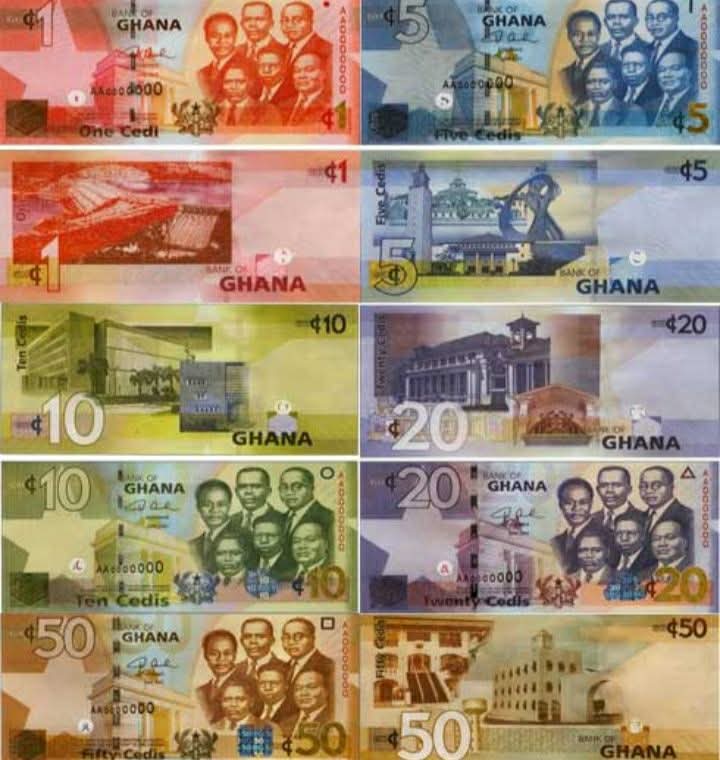
The Bank of Ghana( BoG) has slashed the cost of printing the cedi by more than half in 2025, but a surge in cash demand and rising ancillary expenses is exposing new pressures within the country’s currency management system.
According to the central bank’s latest financial statements, total currency issuance costs fell sharply from GH¢1.01 billion in 2024 to GH¢471.4 million in 2025—a 53 percent decline that marks one of the most significant operational cost reductions in recent years.
The drop was driven largely by a steep fall in direct production costs, with spending on printing banknotes and minting coins plunging by 72 percent to GH¢277.6 million.
The scale of the reduction points to improved efficiency measures, including better inventory control, reduced replacement of worn-out notes, and possible cost optimisation strategies within the central bank’s currency operations. However, the headline savings tell only part of the story.
Rising Costs Offset Gains
Despite the sharp decline in production costs, other components of currency management moved in the opposite direction, tempering the overall savings recorded.
Agency fees—linked to outsourced services for currency handling and distribution—increased by over 24 percent, while foreign currency-related import costs also rose, reflecting higher logistical expenses tied to currency operations.
More strikingly, “other currency expenses” surged dramatically, jumping from GH¢14.6 million in 2024 to GH¢183 million in 2025—an increase of over 1,100 percent. The spike suggests the emergence of significant one-off costs or restructuring-related expenditures within the Bank’s operational framework.
Taken together, these increases point to a shifting cost structure in currency management, where savings in production are increasingly offset by rising operational and logistical burdens.
Cash Demand Continues to Climb
At the same time, Ghana’s appetite for physical cash continues to grow. Currency in circulation rose by about 17 percent, climbing from GH¢71.6 billion in 2024 to GH¢83.8 billion in 2025. The increase underscores the economy’s sustained reliance on cash transactions, even as digital payment platforms expand.
The central bank defines currency in circulation as the total value of banknotes and coins held by the public and financial institutions, excluding those kept in its vaults. The rising figure reflects both increased economic activity and persistent structural dependence on cash, particularly within the informal sector.
Mixed Signals for Monetary Operations
The simultaneous decline in printing costs and rise in cash circulation presents a complex picture of Ghana’s monetary environment.
On one hand, the reduction in production costs signals improved efficiency and better management of currency supply. On the other hand, the sharp rise in ancillary expenses and expanding cash demand point to underlying operational challenges and structural realities that continue to shape the economy.
The data suggests that currency management is becoming less about printing money and more about the cost of moving, securing, and managing it across the financial system.
Efficiency Gains Under Scrutiny
For the Bank of Ghana, the divergence raises critical questions about the sustainability of recent efficiency gains.
While cutting printing costs is a positive development, the surge in “other” expenses and rising service-related costs may indicate inefficiencies, transitional adjustments, or increased reliance on external service providers.
The growing weight of non-production costs could reshape how the central bank approaches currency issuance in the future, particularly as it balances cost control with the need to meet rising demand.
Implications for Ghana’s Economy
The trends also carry broader implications for Ghana’s economic direction.
The continued expansion of cash in circulation highlights the limits of digital financial inclusion efforts. Despite the growth of mobile money and electronic payments, cash remains dominant—raising questions about infrastructure gaps, trust in digital systems, and accessibility in rural areas.
At the same time, rising operational costs could place additional pressure on the central bank’s financial position, especially in a period of ongoing economic recovery and fiscal tightening.
READ ALSO: Ghana’s central bank records nearly 3.11 bln USD annual loss
What Lies Ahead
Going forward, attention is likely to shift toward improving transparency and efficiency in non-production cost areas. Analysts say a clearer breakdown of “other currency expenses” will be crucial in understanding the full scope of the cost surge.
There may also be renewed focus on accelerating digital payment adoption to reduce long-term reliance on cash and ease the burden on currency management systems.
For now, the latest figures highlight a key reality: while Ghana is making progress in controlling the cost of printing money, the broader challenge of managing a cash-driven economy remains far from resolved.
