
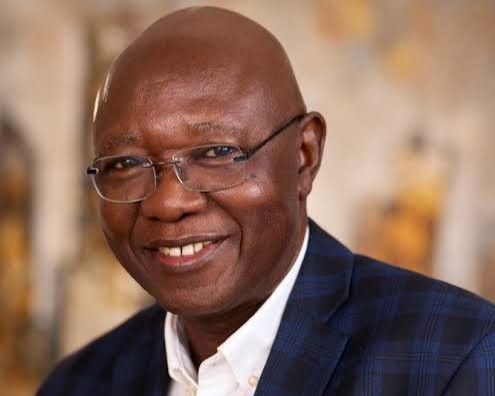
In a wide ranging interview on values, mindset and the reset agenda, former minister of state and governance expert, Akwasi Opong-Fosu argued that Ghana’s reset will not achieve the intended results unless it is matched by a restoration of values and a renewal of mindset on governance and leadership purpose.
“Ghana does not have a shortage of policies. What we lack is a consistent purpose behind them. If we reset the economy but keep the old mindset, we will get the same outcomes with new slogans,” Opong-Fosu said.
Opong-Fosu identified five core values he says must be restored to the core of public service leadership: stewardship, accountability, integrity, ethical standards, and social justice.
“When public office becomes a route to self-serving privilege and wealth accumulation, institutions decay and citizens lose trust,” he emphasised.
“Restoration means returning to the ideals of patriotism, nationalism, and leadership as stewardship and not extraction.”
He further noted that, “as a leader you are valued for the national assets you leave behind during your stewardship and not the handouts you distribute today.”
The second pillar Opong-Fosu argued as an Imperative to the reset agenda is a shift in mindset about leadership purposes. “The old mindset sees public office as personalising power. The new mindset must see leadership as building systems that work without you,” he stated.
Opong-Fosu stressed that mindset change cannot be achieved through speeches alone. ” Culture changes when incentives change. Behaviour follows incentives.
On governance, Opong-Fosu called for institutional strengthening anchored in inclusiveness, natural resources sovereignty, and equitable wealth distribution. “Natural resources must be managed so that value addition happens here to create jobs and increase wealth.
READ ALSO: Hon. Armah Kofi Buah Champions Africa’s Forest Recovery at UNFF21
“That is what we mean by sovereignty. Not just territorial ownership but control over the value chain.” He emphasised the role of credible systems in making integrity the default.
“Inclusiveness means citizens can see where the money goes and judge leaders on the assets built, not occasional handouts distributed. Wealth distribution becomes sustainable when it comes from production, not from sharing a shrinking pie.”
