
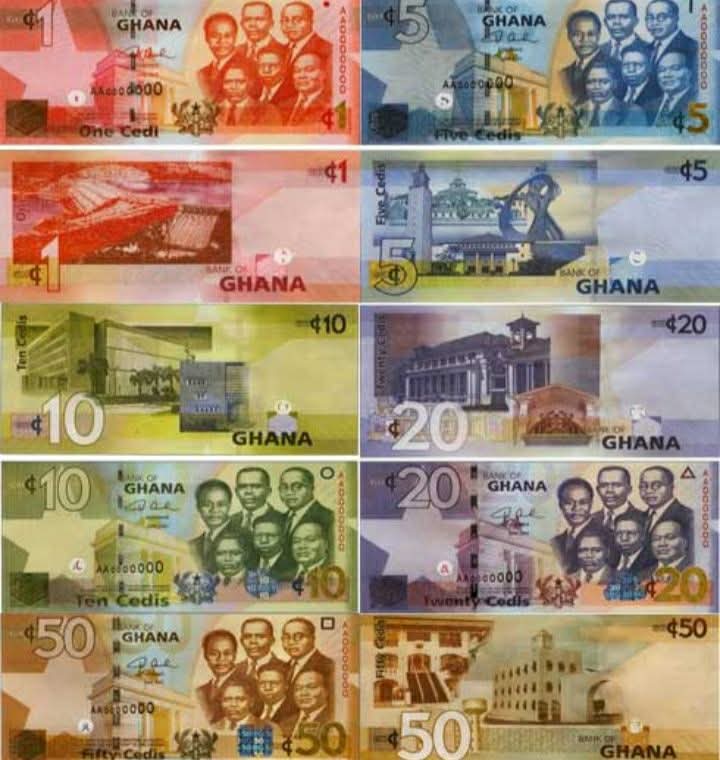
Ghana’s cedi has emerged as the worst-performing currency in West Africa and one of Africa’s weakest currencies in 2026, following a sharp and sustained depreciation against the US dollar driven largely by rising foreign exchange demand from the energy sector.
New analyses published by Reuters, citing data from the London Stock Exchange Group (LSEG), showed that the cedi recorded a year-to-date decline of 10.28 percent as of early May 2026.
At the time of the report, the local currency was trading at 11.36 cedis to the dollar, with analysts warning of further depreciation as pressure on the foreign exchange market intensifies.
Reuters attributed the persistent decline to strong corporate demand for foreign currency, particularly from players in Ghana’s energy sector.
“Ghana’s cedi is being dragged down by persistent corporate foreign-currency demand, particularly from the energy sector,” the report stated.
Since the publication of the report, the cedi has weakened further, closing trading last week at approximately 11.61 to the dollar.
The latest decline places the cedi at the bottom of West Africa’s currency rankings in 2026, despite the region’s diverse monetary systems, including the CFA franc used by eight countries.
The cedi’s performance also ranks it among Africa’s poorest-performing currencies this year, alongside currencies facing severe macroeconomic pressures across the continent.
The continued depreciation comes even as Ghana records some positive economic signals, including easing inflation and ongoing fiscal reforms.
READ ALSO: Policy Rate At 14%: Middle East Crisis Is The Elephant In The Room – BoG Boss
However, the weakening local currency continues to push up the cost of goods and services, with importers and traders sourcing dollars at rates significantly higher than official market prices.
Analysts say sustained foreign exchange demand from import-dependent businesses and corporate entities remains a major driver of the cedi’s downward trend.
Reuters noted that traders expect the depreciation pressure to persist in the coming months as demand for dollars continues to outweigh supply in the foreign exchange market.
