Ghana requires about $1.7 billion annually until 2030 to achieve universal access to safe water, sanitation and hygiene (WASH), according to WaterAid Ghana.
WaterAid Ghana said inadequate domestic financing, heavy dependence on donor support, fragmented institutional coordination and environmental degradation remained major challenges to the country’s progress towards Sustainable Development Goal Six (SDG 6).
The concerns were highlighted during a presentation at an Editors’ Roundtable on WASH in Accra, where experts called for a shift from short-term project interventions towards sustainable financing and stronger systems for delivering reliable WASH services.
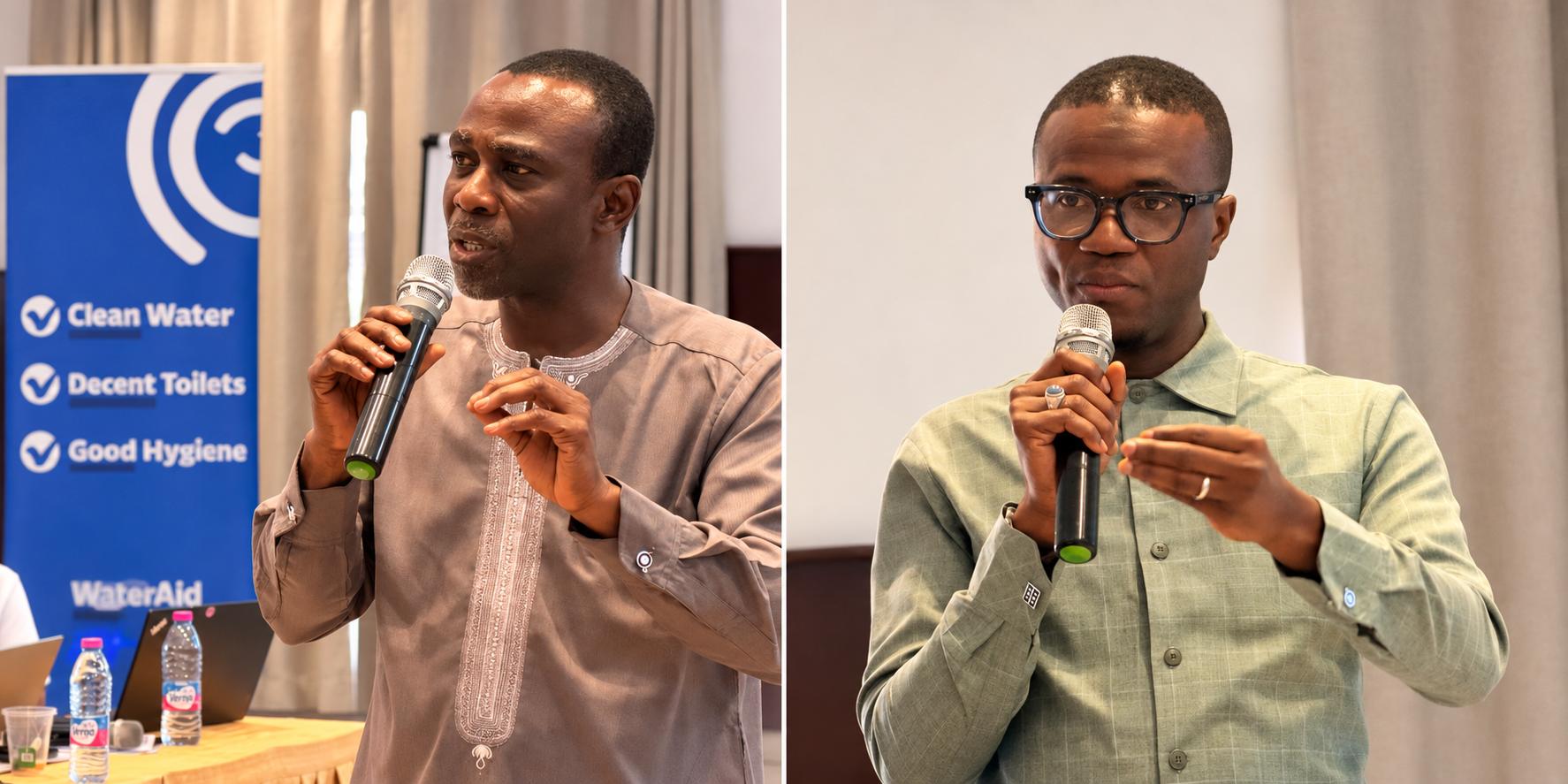
Head of Strategy, Policy and Campaigns at WaterAid Ghana, Ibrahim Musah, said access to safe water, sanitation and hygiene was critical to public health, economic development and human dignity.
He said inadequate WASH services were linked to about 7,635 deaths annually in Ghana, equivalent to an average of about 21 preventable deaths each day.
According to him, improved drinking water could reduce diarrhoeal diseases by up to 75 per cent, improved sanitation by 25 per cent and proper hand hygiene by about 30 per cent.
Mr Musah said WASH contributed to 132 of the 169 targets under the Sustainable Development Goals, yet the sector continued to receive inadequate political and financial attention.
Rural Communities Lag Behind
Citing data from the WHO/UNICEF Joint Monitoring Programme (JMP 2025), Mr Musah said significant disparities remained in access to WASH services, particularly between urban and rural communities.
He said 43 per cent of Ghana’s population had access to safely managed drinking water, with coverage reaching 60 per cent in urban areas compared with only 17 per cent in rural communities.
Basic sanitation access stood at 13 per cent nationwide, while open defecation was practised by 18 per cent of the population and 31 per cent of people in rural communities. Only 45 per cent of households had access to basic handwashing facilities, while 10 per cent had no access at all.
Sanitation Takes Largest Share of Financing Need
WASH Monitoring and Financing Senior Advisor at WaterAid UK, Mutala Abdul-Mumin, said substantial investment was required to address Ghana’s WASH infrastructure and service delivery needs.
Presenting financing requirements under the Ghana Water, Sanitation and Hygiene Sector Development Programme (GWASHSDP 2021–2030), he said basic sanitation represented the largest investment requirement at about $800 million annually, accounting for 47.1 per cent of total sector needs.
Urban water infrastructure managed by Ghana Water Limited requires an estimated $420 million annually, representing 24.7 per cent, while rural water supply requires about $350 million, or 20.6 per cent.
Hygiene services and sector governance require about $60 million each annually, representing 3.5 per cent each, while water resources management requires an additional $8 million, or 0.5 per cent.
WaterAid Ghana’s presentation also highlighted the country’s heavy dependence on development partners, with donor funding accounting for about 90 per cent of development expenditure in the WASH sector.
The presentation indicated that dependence on unpredictable external financing exposed the sector to financial shocks and made long-term planning difficult, reinforcing the need for increased domestic resource mobilisation.
Galamsey, Urbanisation Deepen WASH Challenges
WaterAid Ghana also identified rapid urbanisation, illegal mining and climate change as major challenges to sustainable water and sanitation service delivery.
With more than 59 per cent of Ghana’s population living in urban areas, growing demand has placed pressure on ageing water infrastructure, contributing to water rationing in Accra, Kumasi, Tamale and Cape Coast.
Illegal mining, commonly known as galamsey, continues to pollute major river systems, including the Pra, Ankobra and Birim, increasing the cost of treating raw water and threatening the long-term security of the country’s water resources.
Climate change is also affecting the sector through seawater intrusion into coastal groundwater sources and damage to WASH infrastructure caused by extreme weather events.
WaterAid Ghana further stressed the need to move beyond financing only the initial construction of WASH infrastructure to providing adequate resources for its full lifecycle.
This includes routine operation and maintenance costs, direct support to service providers and major capital expenditure required to rehabilitate or replace ageing infrastructure.
Without adequate lifecycle financing, facilities could deteriorate prematurely, undermining efforts to provide sustainable WASH services to communities.
WaterAid Ghana Calls for Financing Reforms
WaterAid Ghana called for increased domestic budget allocations to the WASH sector, operationalisation of the National Sanitation Fund and Sanitation Levy, and the use of blended financing to attract private investment.
It also proposed predictable fiscal transfers to Metropolitan, Municipal and District Assemblies through the District Assemblies Common Fund to strengthen WASH service delivery at the local level.
WaterAid Ghana said achieving SDG 6 by 2030 would require sustained financing, stronger institutional leadership, effective protection of water resources and investment in resilient WASH infrastructure capable of providing sustainable services to all Ghanaians.