
Ghana is stepping up diplomatic and multilateral engagements with African and other developing economies to push for reforms to the global financial system, as concerns persist over debt vulnerabilities, climate financing and inequality.
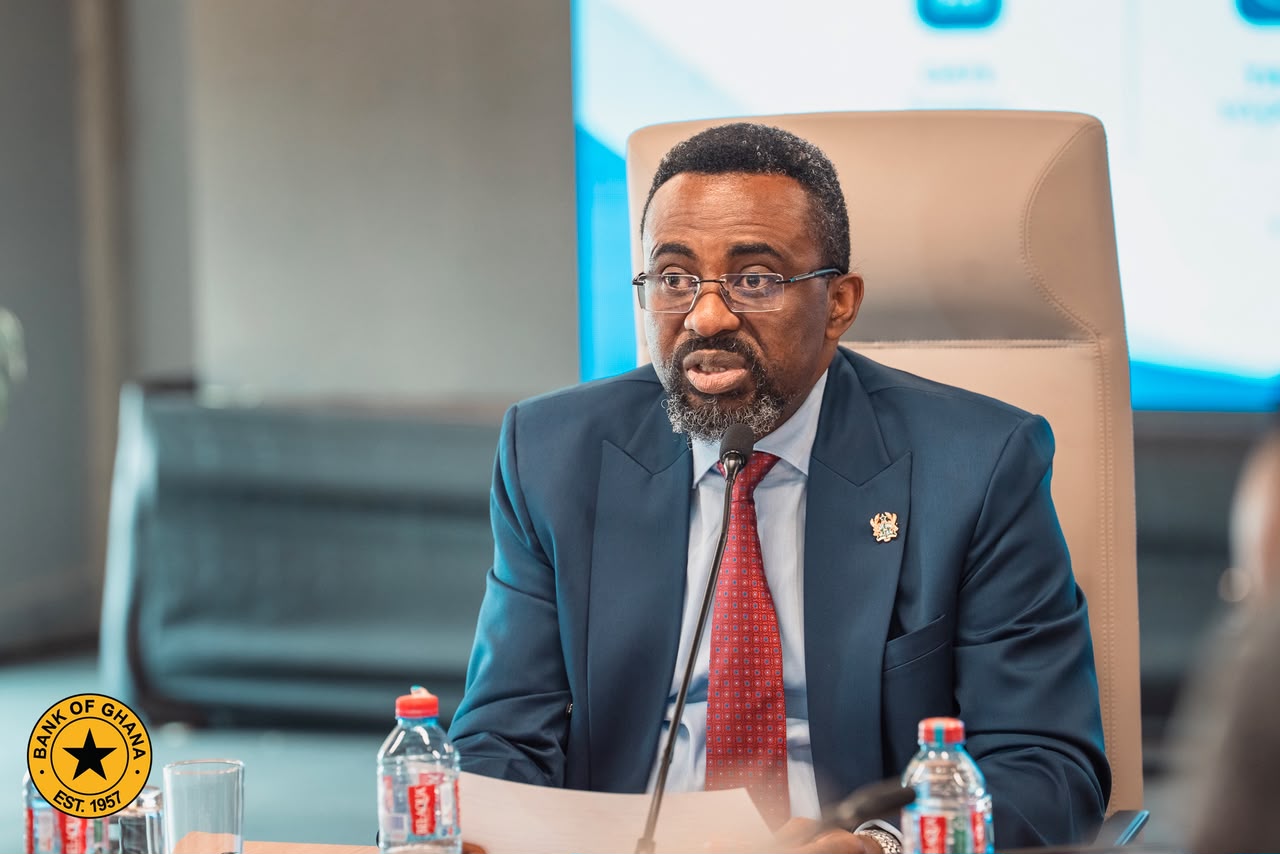
Governor of the Bank of Ghana (BoG), Dr Johnson Pandit Asiama, said reforming the global financial architecture required coordinated international action rather than individual countries pursuing the agenda independently.
He said Ghana was therefore working with other developing economies and using international platforms to lobby for changes to the existing financial system.
“Changing the global financial architecture takes a multilateral approach. It calls for a lot of lobbying and we’re working on that on all fronts,” Dr Asiama said.
The Governor made the remarks in response to a question from the Ghana News Agency on developments in the global financial system ahead of the 2026 International Monetary Fund (IMF) and World Bank Group annual meetings.
He was speaking at the 132nd Monetary Policy Committee press briefing in Accra.
Dr Asiama said policymakers were increasingly concerned about weaknesses in the global financial system, particularly in addressing debt vulnerabilities, climate financing and inequality.
He maintained that reform had become necessary to support sustainable development, particularly in developing economies.
According to him, the ongoing United Nations General Assembly had also provided opportunities for Ghanaian officials to engage international partners on reforms to global financial governance.
He said government representatives were participating in discussions and providing feedback to officials in Ghana to help shape the country’s contribution to the reform agenda.
Ghana Joins Broader Developing-Country Push
Dr Asiama said Ghana was not pursuing the reforms alone but was working alongside other African and developing economies.
The approach, he explained, reflected Ghana’s position as a small open economy whose economic prospects are closely connected to developments in the international financial system.
The Governor said maintaining strategic economic relationships would also remain important as Ghana seeks to advance its interests within the changing global environment.
He cited China as one of the country’s important partners.
“We’re looking at China. Currently, they’re such a strategic partner when it comes to our trading, and we’ll continue on that front to ensure that we yield dividend for the country,” he said.
Dr Asiama said Ghana’s position formed part of broader African and developing-country discussions on making the international financial architecture more inclusive.
He said Ghana would continue engaging on the issue as part of efforts to remain connected to international centres where major financial rules and decisions are shaped.
Calls for Global Financial Reform
The global financial architecture comprises the institutions, rules, markets and agreements governing the movement of capital, investment and financial transactions across countries.
Much of the modern international financial system emerged from the Bretton Woods arrangements established in 1944, which led to the creation of institutions including the International Monetary Fund and the World Bank.
The architecture has since expanded to include central banks, regulatory institutions, global financial markets and bilateral and multilateral arrangements governing international economic cooperation.
Dr Asiama’s comments come as developing economies continue discussions over the responsiveness of the international financial system to issues including sovereign debt, development financing and climate-related funding.
Ghana’s strategy, according to the Governor, is to pursue the reform agenda through sustained engagement with other countries and international institutions rather than acting independently.
The country is expected to continue those engagements at international forums as it seeks reforms that better address the financing and development challenges confronting emerging and developing economies.
