
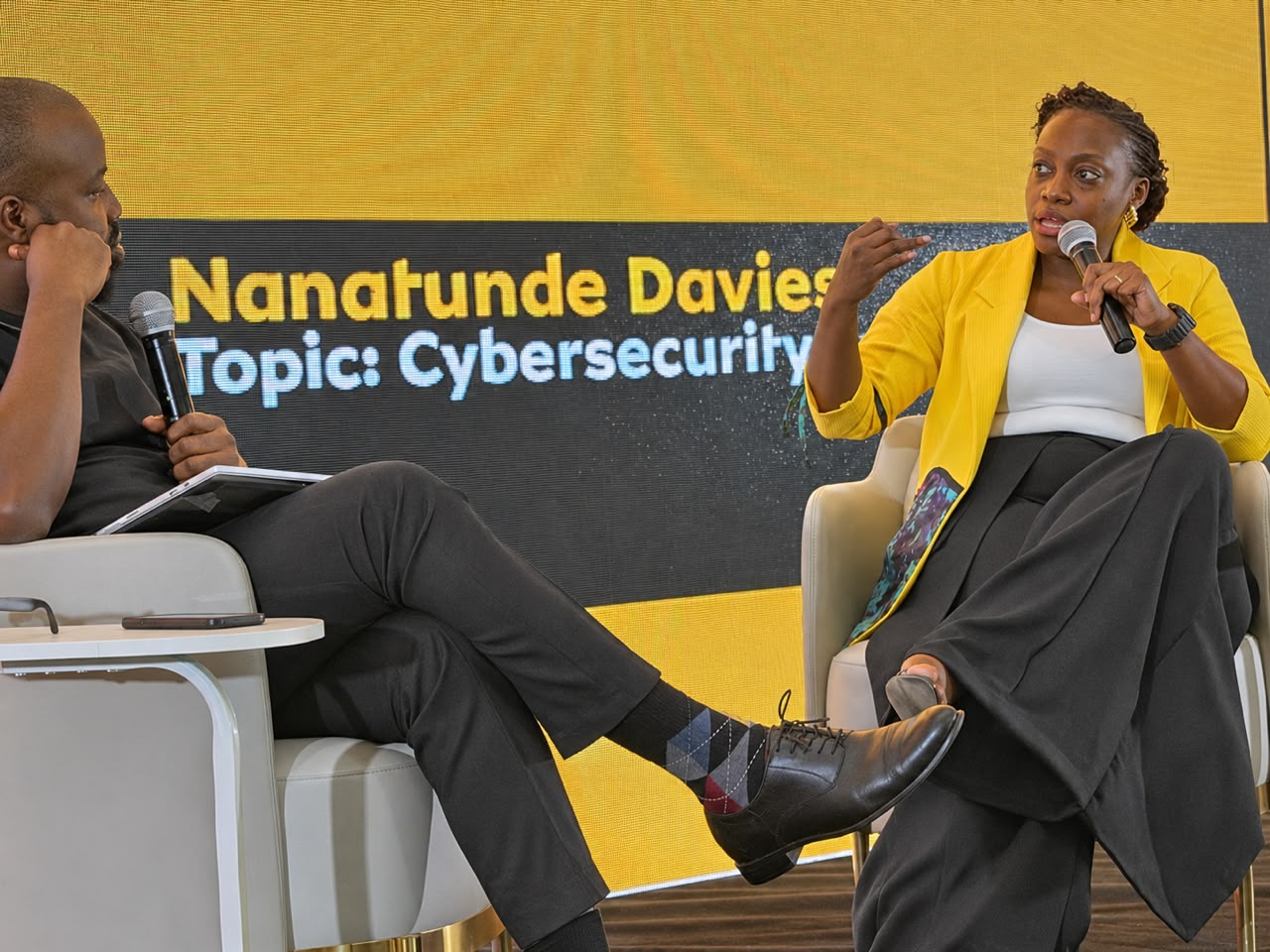
The Senior Manager for Enterprise Risk, Regulatory Risk and Compliance at MobileMoney Fintech LTD (MMFL), Nanatunde Davies, has warned businesses that a single fraud incident or data breach could destroy years of customer trust.
According to her , building trust goes beyond providing good products and services. Businesses must also keep their promises and protect the information customers share with them.
Speaking on “Cybersecurity and Digital Trust” at MTN Ghana’s November Masterclass, Ms Davies urged businesses to make the protection of customers’ money and personal information a priority.
Stressing that, customers trust businesses with more than their money. They also share personal details, identification records and payment information, which must be handled responsibly.
For online businesses, she said, trust begins when customers make payments and continues until they receive exactly what they ordered.
She noted that failed transactions, diverted payments and undelivered products could damage customer confidence and discourage repeat business.

Businesses Must Balance Security and Convenience
Ms Davies encouraged businesses to introduce security measures that match the risks involved in their operations without making transactions unnecessarily difficult for customers.
She explained that checking an account balance does not carry the same risk as transferring money, making additional verification necessary for certain transactions.
For instance, customers transferring funds may be required to enter a PIN or one-time password to confirm their identity.
She urged businesses to identify areas where customers’ money and personal information could be exposed to fraud and put stronger safeguards in place.
For small businesses, she recommended simple but effective measures such as strong passwords, multifactor authentication, regular software updates and locking devices when they are not in use.
She also stressed the importance of backing up business information and regularly checking whether the data could be recovered when needed.
According to her, keeping backups without testing them could leave businesses stranded when systems fail or important information is lost.
Cybersecurity Is Everyone’s Responsibility
Ms Davies said protecting a business from cyber threats should not be left to IT professionals alone.
She urged employers to educate their workers about common security threats and ensure that every employee understands their responsibility in protecting customer information.
Business owners, she explained, must know who has access to customer records, payment information and transaction systems. Such access, she said, should be limited to employees who genuinely need it to perform their duties.
She recommended regular practical training, online courses and educational materials designed around the specific risks businesses face.
MMFL Strengthens Fraud Prevention Measures
Touching on fraud prevention, Ms Davies said criminals were constantly changing their methods, making it necessary for financial service providers to review and improve their security systems.
She explained that MMFL assesses potential risks before introducing new products and services, monitors developments in the financial sector and studies customer complaints to identify emerging fraud patterns.
She identified social engineering as a major concern, explaining that fraudsters often manipulate people into revealing confidential information or approving transactions.
While financial service providers must secure their platforms, she said customers also have a responsibility to recognise suspicious requests and protect their personal information.

‘Shine Your Eye’ Campaign Targets Communities
She also highlighted MMFL’s “Shine Your Eye” campaign, which focuses on educating customers about fraud and safe financial transactions.
The campaign goes beyond social media to reach people in markets, transport stations and communities, including those who do not regularly use online platforms.
To make the messages easier to understand, fraud awareness education is delivered in languages familiar to the target communities.
Adding that, MMFL also trains its agents to help customers identify scams, protect their information and conduct transactions safely.
Customers were encouraged to keep control of their mobile phones and enter their confidential transaction details themselves when using agent services.
Ms Davies said agents were also trained on data protection, with disciplinary measures applied to those found engaging in fraud or violating company policies.
Verify Suspicious Requests Before Sending Money
Responding to questions about impersonation scams, Ms Davies advised customers not to rush into sending money simply because a caller or message appeared to come from someone they knew.
She explained that fraudsters could impersonate relatives, friends or trusted individuals to convince unsuspecting victims to transfer money.
According to her, requests to send money to an unfamiliar number or a number different from the one normally used by the supposed sender should raise suspicion.
She encouraged customers to call the person directly using a familiar contact number or verify the request through another trusted individual before making any payment.
Customers who suspect fraudulent transactions should immediately report them to their service providers through official channels for assessment.
READ ALSO: Ghana Unveils $10bn Plan to Cut Imports, Create Jobs

Public Urged to Stay Alert During Christmas Season
With the Christmas season approaching, Ms Davies urged customers and businesses to remain vigilant against fraudsters who may take advantage of increased financial transactions.
She cautioned against responding to unsolicited calls, clicking unfamiliar links or trusting online offers without checking their authenticity. She encouraged the public to carry these safety habits into 2027, stressing that a moment of caution could prevent financial loss. “Pause, think before you act or before you click,” she advised.
Source: Isaac Kofi Dzokpo
