
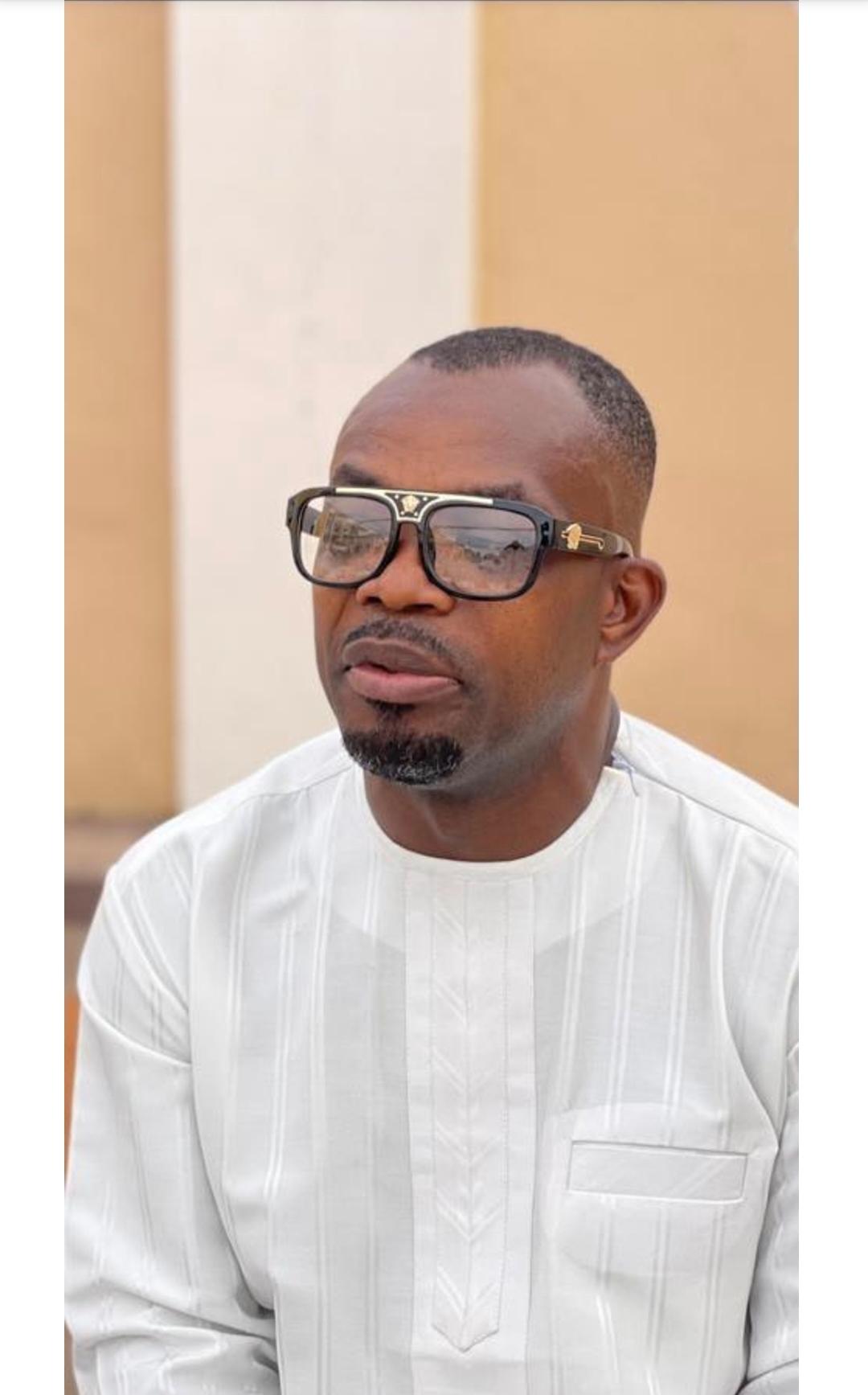
Brussels, Belgium – Mr. Raphael Godwyll Panford, popularly known as “Raph,” the Research and Elections Officer of the NPP Belgium Branch and a candidate for the position of First Vice Chairman of the branch, has voiced strong concerns over what he describes as a growing pattern of arrests and prosecutions involving government critics, opposition politicians, social media commentators, and content creators in Ghana.
Speaking in an interview, the outspoken New Patriotic Party (NPP) stalwart and co-founder of United Belgium for Bawumia (UBB) cautioned against what he believes is the increasing use of state institutions to suppress dissenting political voices and intimidate members of the opposition. According to Raph, while every democratic society must ensure that citizens exercise their freedom of expression responsibly, there is an equally important need to protect constitutional rights and ensure that justice is administered fairly and without political interference.
“I do not support politics of insults, character assassination, or the use of abusive and derogatory language against the President of the Republic or any public official. Civility must remain a cornerstone of our democracy. However, where there are allegations of wrongdoing, the law must be allowed to take its course through due process and without any appearance of political intimidation,” he stated. Raph’s comments come against the backdrop of recent arrests and investigations involving several individuals perceived by sections of the public as critics of the government. These include social media influencers, political activists, online commentators, and opposition figures whose comments on national issues have generated controversy.
According to him, while no citizen should be above the law, the frequency and nature of some of these arrests have raised legitimate questions among Ghanaians both at home and abroad about the state of political freedoms in the country. “As democrats, we must be concerned whenever citizens begin to fear expressing their political opinions. Ghana’s democracy was built on the principles of free speech, political tolerance, and respect for differing views. These principles must never be sacrificed regardless of which political party is in power,” he said.
The Belgium-based political activist noted that many Ghanaians in the diaspora closely monitor developments in the country and remain deeply interested in safeguarding the democratic gains achieved over the years.
Raph specifically referred to the legal difficulties facing Kwame Baffoe, popularly known as Abronye DC, the Bono Regional Chairman of the NPP, who is currently facing legal proceedings over comments he allegedly made concerning President John Dramani Mahama and First Lady Lordina Mahama. While emphasizing that he was not seeking to defend any offensive statements allegedly made by the opposition chairman, Raph argued that every Ghanaian is entitled to fair treatment under the law.
“I am not a lawyer and I do not claim to be a legal expert. Nevertheless, I believe every citizen deserves fair treatment under our legal system. Justice must not only be done but must also be seen to be done. Any perception that judicial or law enforcement institutions are being used as political tools damages public confidence in our democracy,” he remarked. According to him, concerns expressed by some legal observers and members of the public regarding bail conditions imposed on certain political figures should not be ignored.
The NPP Belgium Branch executive further questioned what he described as unusually stringent bail conditions imposed on some individuals facing politically sensitive cases. He argued that while courts have the discretion to determine bail conditions, such conditions should remain reasonable and attainable, ensuring that suspects are not effectively punished before they have been convicted.
“Where bail conditions become so excessive that they are practically impossible to meet, people naturally begin to question whether the objective is justice or punishment before trial. These are concerns that should engage all democrats, irrespective of political affiliation,” he stated. Raph stressed that the rule of law requires balancing the rights of accused persons with the interests of justice and maintaining public confidence in the fairness of legal processes.
Drawing comparisons with previous administrations, Raph argued that Ghana’s democratic environment had historically accommodated strong criticism of governments without resulting in what he described as widespread arrests of political opponents. He recalled instances during the administration of former President Nana Addo Dankwa Akufo-Addo where members and supporters of the then-opposition National Democratic Congress (NDC) openly criticized government policies and officials.
“Every government receives criticism. It is part of democracy. During the previous administration, many harsh statements were made against President Akufo-Addo and members of his government. Political tensions existed, but many Ghanaians did not witness the scale of arrests and legal actions that are now generating public debate,” he asserted. According to him, political leaders must recognize that criticism, however uncomfortable, is an unavoidable aspect of democratic governance.
Beyond concerns over political freedoms, Raph urged the Mahama administration to concentrate on addressing the pressing socio-economic challenges confronting ordinary Ghanaians. He argued that the expectations of the electorate were centered on job creation, economic recovery, poverty reduction, and improved living standards rather than political confrontations.
“The Ghanaian people voted based on promises of economic transformation and solutions to the challenges facing the nation. The focus of government should therefore be on delivering tangible results for citizens,” he said. He cited unemployment, inflationary pressures, poverty, and the rising cost of living as major concerns affecting families across the country.
“Even though we live abroad, we remain connected to our families and communities back home. We receive calls every day from relatives and friends who are struggling to make ends meet. The economic hardships remain real for many households.”
Raph also highlighted recurring flooding incidents that continue to affect several communities across Ghana, leading to loss of lives, destruction of property, and displacement of residents.
He further expressed concern about the persistence of illegal mining activities, popularly known as galamsey, which continue to threaten water bodies, farmlands, and the environment.
According to him, reports from environmental advocacy groups and community organizations suggest that illegal mining remains a significant national challenge that requires urgent and decisive action.
“The destruction of our rivers and forests through illegal mining should concern every Ghanaian. Environmental degradation is not a partisan issue; it is a national issue. Future generations will judge us by how we protect the natural resources entrusted to us,” he stated.
The NPP executive also drew attention to difficulties faced by cocoa farmers and rural communities, stressing that agriculture remains a critical pillar of Ghana’s economy and deserves greater support.
Despite his criticisms, Raph called for restraint, unity, and democratic maturity from both government and opposition supporters. He emphasized that political competition should not result in hostility or the erosion of democratic institutions.
“Ghana belongs to all of us. Whether NPP, NDC, or independent-minded citizens, we all have a collective responsibility to protect our democracy. We must be able to disagree politically without resorting to intimidation, persecution, or fear.” He urged political leaders across the divide to prioritize national development over partisan interests and work together to address the country’s challenges.
Looking ahead, Raph expressed confidence that the NPP, under the leadership of former Vice President Dr. Mahamudu Bawumia, would continue to advocate for democratic freedoms, political tolerance, and economic transformation. He maintained that Ghana’s democratic reputation remains one of its greatest assets and must be protected at all costs.
“Our democracy has been admired across Africa because of our commitment to peace, tolerance, and constitutional rule. We must never allow partisan interests to undermine these achievements. Political opponents are not enemies; they are fellow citizens with different views about how the country should be governed.”
Raph concluded by urging government officials to focus on fulfilling their promises to Ghanaians and addressing the nation’s economic and social challenges, rather than becoming distracted by political controversies.
“The true measure of any government is not how it responds to criticism but how effectively it improves the lives of the people. Ghanaians are looking for jobs, better living conditions, quality healthcare, improved education, and sustainable economic opportunities. These are the issues that deserve our full attention.”
As debate continues over freedom of expression, political accountability, and the role of state institutions in Ghana’s democracy, Raph’s comments are likely to contribute to the broader national conversation on governance, civil liberties, and democratic consolidation.
