
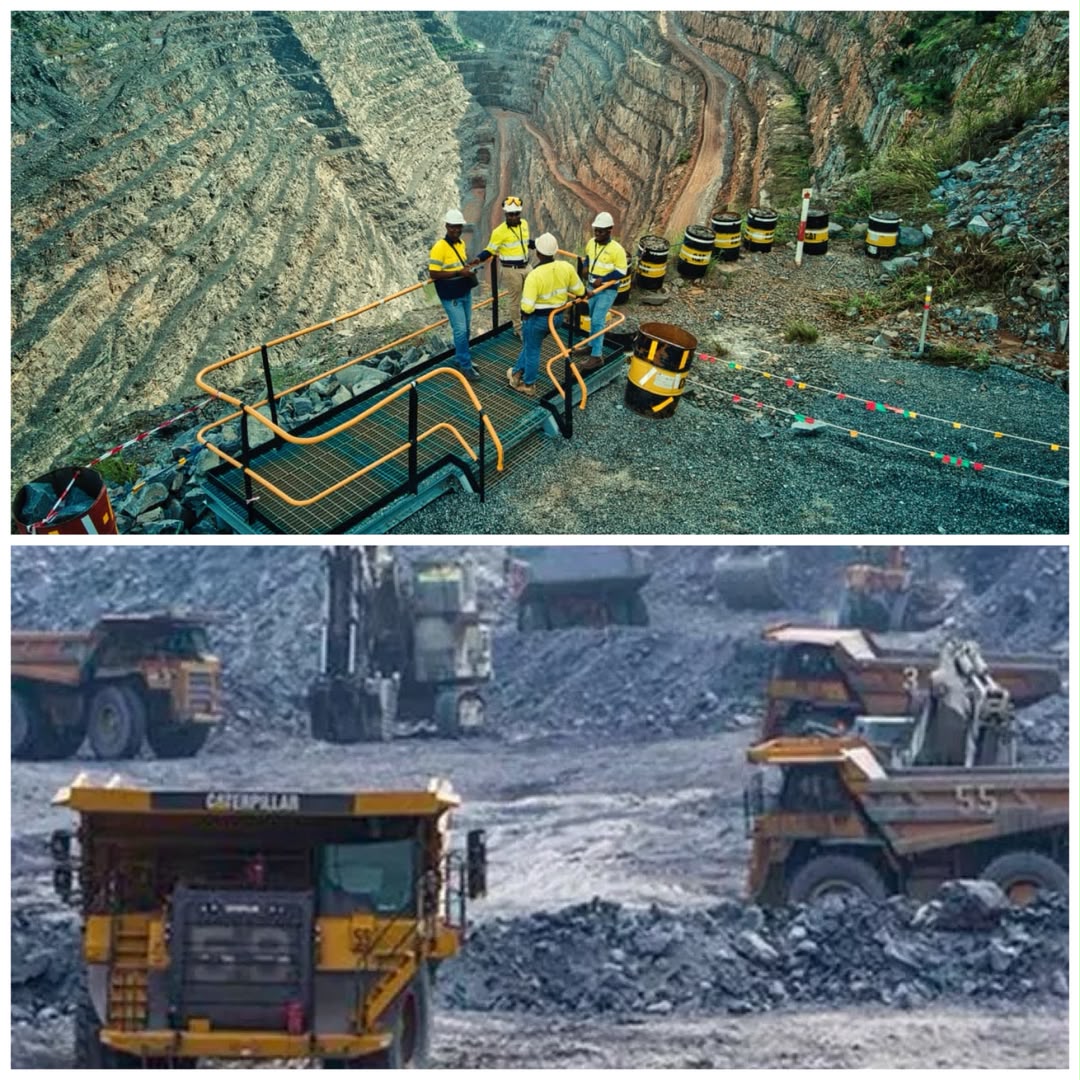
Ghana’s mining industry continues to be dominated by foreign companies despite significant progress in developing local expertise and strengthening local content regulations, with industry stakeholders identifying limited access to capital as a major barrier to indigenous ownership.
Legal experts, traditional authorities and mining sector players say Ghanaian professionals now occupy senior technical and managerial positions across major mining operations, but local businesses remain largely unable to acquire and develop major mineral concessions because of the huge financing requirements involved.
The issue took centre stage during a panel discussion on local content and community participation at the National Mining Dialogue 2026 in Accra on Tuesday.
Stakeholders argued that Ghana’s next phase of mining sector development must go beyond creating jobs and supplying goods and services to multinational companies and focus on building the financial capacity of indigenous firms to own and operate mines.
Capital, Not Expertise, the Major Barrier
Legal practitioner Bobby Benson said Ghana no longer suffers from a shortage of the technical expertise required to operate modern mines.
According to him, the major challenge is access to large-scale, long-term capital.
Major mine development and life-of-mine expansion projects can require investments of up to US$600 million, placing them beyond the financial capacity of many Ghanaian entrepreneurs.
Domestic commercial banks may also struggle to finance projects of that magnitude, creating an advantage for multinational mining companies with stronger balance sheets and easier access to international capital markets.
The situation, stakeholders noted, means Ghana may possess the technical expertise required to manage its mineral resources but still lack the financial muscle necessary to increase indigenous ownership of producing mines.
They therefore called for financing mechanisms capable of providing Ghanaian mining businesses with access to patient, long-term capital, including opportunities to tap international financial markets.
Communities Demand Bigger Voice
Beyond financing, traditional authorities called for greater involvement of mining communities in decisions concerning mineral concessions and mining operations.
Dr Nana Adarkwa Bediako III, Gyasehene of the Apinto Divisional Council, argued that communities hosting mining operations are often left out of the initial stages of lease negotiations despite bearing many of the environmental and social effects of extraction.
He called for a stronger three-way partnership involving government, mining companies and host communities in decisions affecting mineral development.
Traditional leaders argued that communities should not only experience the consequences of mining but should have a meaningful voice in decisions about how mineral resources within their areas are developed.
They also expressed concern that decades of mineral extraction have not always translated into sustainable economic infrastructure and opportunities capable of supporting host communities long after mining operations end.
Push for Greater Ghanaian Ownership
Stakeholders maintained that local content policies must increasingly focus on ownership and capital formation if Ghana is to retain a larger share of the wealth generated from its mineral resources.
While increasing the participation of Ghanaian workers and suppliers remains important, they argued that deeper economic benefits would come from enabling indigenous businesses to acquire equity, develop concessions and participate directly in mine ownership.
Addressing the financing gap could therefore become critical to Ghana’s efforts to shift from predominantly hosting foreign-owned mining operations to building stronger Ghanaian participation across the entire mining value chain.
