
Africa produces a significant range of agricultural products. The opportunity now is to ensure that more of what the continent produces is traded within Africa, strengthening regional value chains, attracting investment and expanding intra-African agricultural trade.
The African Continental Free Trade Area (AfCFTA) Agri-Trade Action Plan is seeking to advance this objective by identifying priorities for strengthening agricultural trade across the continent.
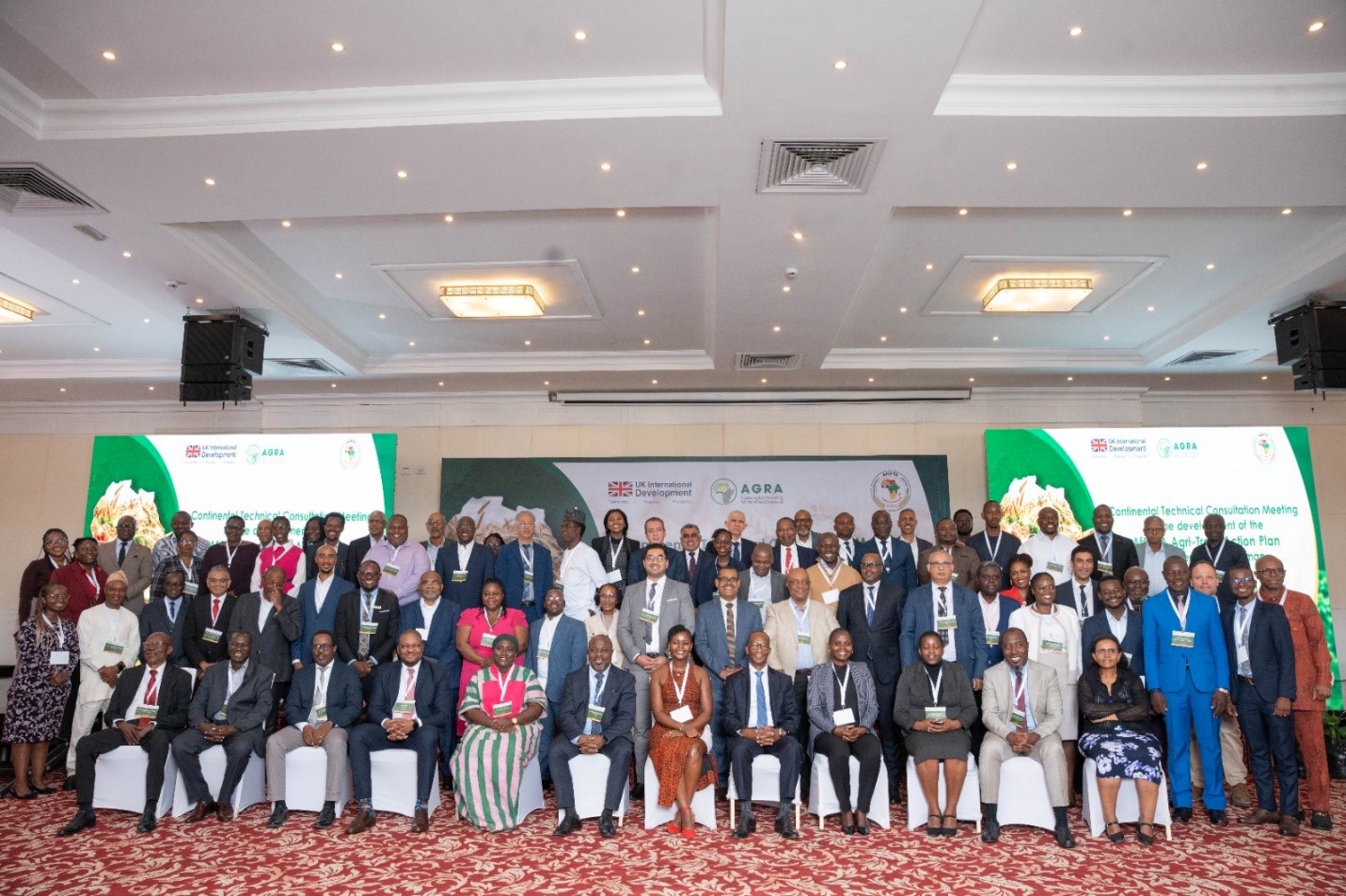
As part of efforts to move from priorities to implementation, a Continental Technical Consultation on the Implementation Roadmap of the AfCFTA Agri-Trade Action Plan is underway.
The consultation brings together Member States, Regional Economic Communities (RECs), Development Partners, the Private Sector and Technical Experts to translate the priorities identified under the Action Plan into a costed and actionable implementation roadmap.
The process places particular emphasis on developing stronger regional agricultural value chains and creating greater opportunities for African producers and businesses to access markets across the continent.
Nine Priority Value Chains
The AfCFTA Agri-Trade Action Plan focuses on nine priority value chains, covering key agricultural products produced and consumed across Africa. These include maize, rice, fruits and vegetables, meat, fish, cashew and cotton, among others.
By prioritising these value chains, the initiative seeks to create stronger connections between agricultural production, processing, investment and markets across African countries.
The broader objective is to increase the amount of agricultural produce traded within the continent and enable African farmers, producers, processors and businesses to benefit more directly from the opportunities created by the AfCFTA.
Strengthening regional value chains can also help connect agricultural producers in one African country with processors, distributors and consumers in another, supporting the emergence of more integrated African markets.
From Priorities to Implementation
The ongoing technical consultation represents an important step towards converting the priorities of the Agri-Trade Action Plan into practical interventions.
The involvement of governments, RECs, development partners, private-sector actors and technical experts is intended to ensure that the implementation roadmap identifies clear actions as well as the resources required to deliver them.
The emphasis on a costed and actionable roadmap also reflects the transition from identifying what needs to be done to determining how those priorities can be implemented.
At the centre of the initiative is a straightforward proposition: Africa produces, and Africa has an opportunity to trade more of what it produces within its own borders.
Through stronger regional value chains, increased investment and expanded intra-African agricultural trade, the AfCFTA Agri-Trade Action Plan seeks to help translate Africa’s agricultural productive capacity into greater continental market opportunities.
The direction is clear: from priorities to implementation, and from the farm to the African market.
