
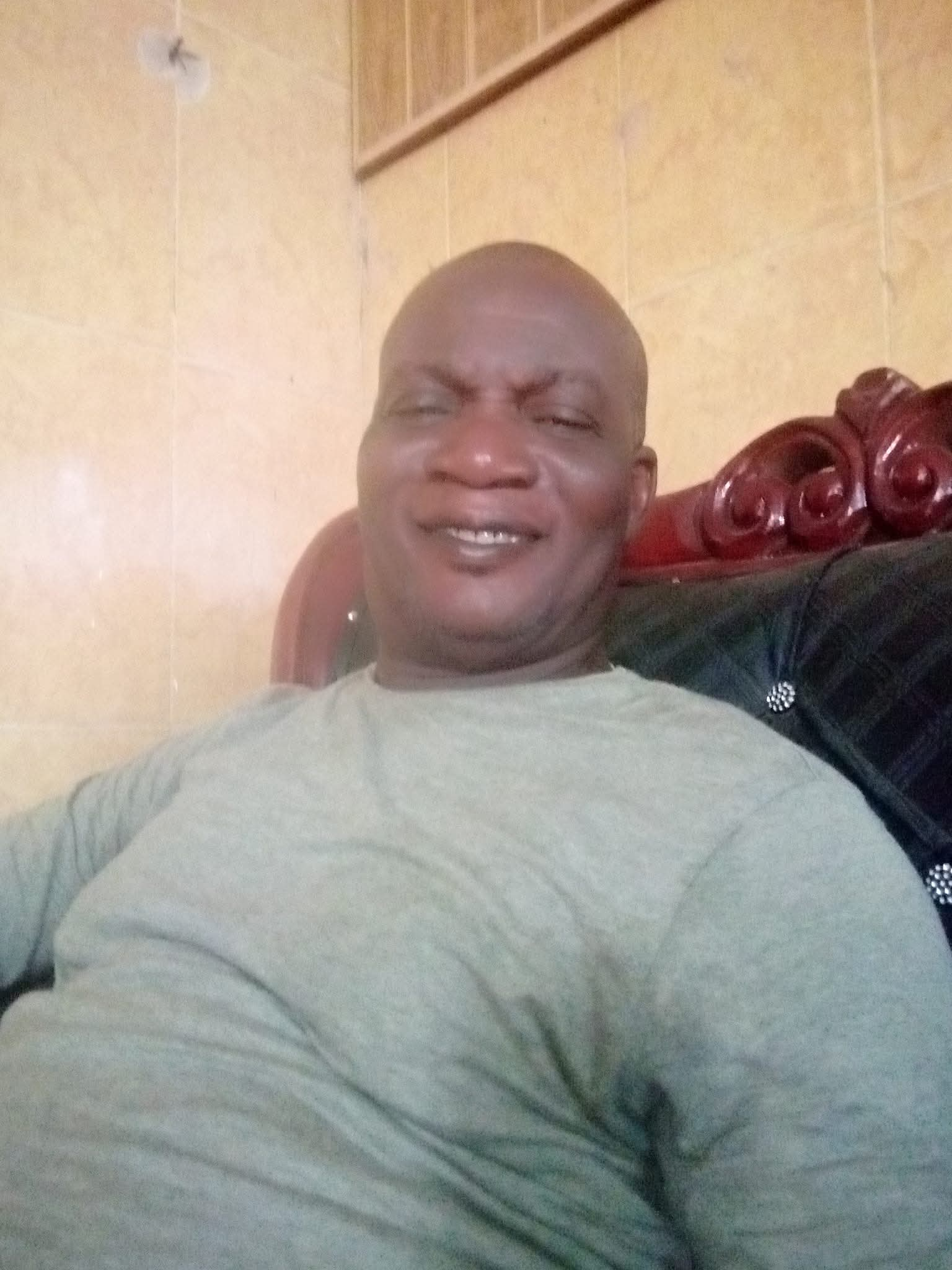
Greater Accra does not lack places worth visiting, says Samuel Alabi Tetteh. What it lacks is anyone writing them down.
“The challenge is not necessarily the absence of attractions,” he said. “The challenge is identification, documentation, investment, infrastructure, marketing and sustainable management.”
Mr Alabi is a broadcaster and journalist from the Nungua royal family, founded Hills Village to find, record and promote lesser-known heritage and nature sites around the capital. In written responses to NewsGhana, he set out a plan that links tourism with culture, farming, media and environmental protection.
From the palace to the camera
His interest began close to home. He says his elder brother is the current Gborbu Wulomo of Nungua, and that he has helped with the traditional office’s records, correspondence, events and communications.
That work convinced him that much of the area’s history survives only in memory. “When an elderly person dies without passing on their knowledge, an entire chapter of community history can disappear,” he said.
He describes family and traditional ties linking Nungua with Oyibi, Lashibi, Sakumono and Sookpoti. In his view, the history of these communities cannot be studied one town at a time, so Hills Village looks at the wider cultural landscape of eastern Greater Accra.
Sites off the usual map
Hills Village has photographed and filmed locations including Sakumono’s beach and lagoon, Aklenaa, Oyibi and Sookpoti, and a landmark it calls the Meridian Rock. The Greenwich Meridian passes through the Tema area.
He sees Sakumono’s mix of coastline, lagoon and community history as a possible base for recreation, environmental education and investment, provided its ecology is protected. Sookpoti Market, he argues, could become more than a trading point by adding food, local products, history and community tours.
“Our interest is not simply to show a rock,” he said of the Meridian site. “We want to tell the story behind the location.”
Television for small businesses
His media background shapes the approach. Hills Village is developing Inside Out, an online television programme that takes viewers into destinations, festivals and tourism businesses. It is aimed particularly at small operators that cannot afford advertising.
“Tourism does not only belong to large hotels and big companies,” he said. He listed small restaurants, craft makers, guesthouses, farmers and tour operators as part of the trade.
The group also promotes an African Barefoot Festival, which he describes as an event that combines culture, health awareness and the environment. It also sees farms as attractions in their own right, where visitors can watch local food being produced and eat it.
Threats and asks
He names wetland destruction, pollution, poor waste management and unplanned building as the main threats to the sites he documents. “If we destroy the environment today, we are also destroying tomorrow’s tourism opportunities,” he said.
He wants government to treat tourism as an economic tool and invest in access roads, sanitation, signage, security and skills training. He wants traditional leaders to record their histories and protect cultural sites. And he wants deals in which communities, chiefs, investors and the state all benefit, rather than outsiders taking control of local resources.
His goal is for Hills Village’s photographs, videos and interviews to become a public archive for students, researchers and filmmakers. “Know where you come from before you decide where you are going,” he said.
Meta description: Broadcaster Samuel Alabi Tetteh of Nungua’s royal family is documenting Greater Accra’s lesser-known heritage and nature sites through Hills Village.
Category: Features (Tourism)
Tags: Hills Village, Samuel Alabi Tetteh, Greater Accra tourism, Nungua, heritage, Sakumono
