
MobileMoney Fintech Ltd (MMFL) has reaffirmed its commitment to expanding financial inclusion in Ghana through investments in digital infrastructure, secure payment platforms, and strategic technology partnerships.
The company aims to improve access to financial services, particularly in underserved communities, while strengthening transaction security, promoting innovation and supporting the country’s growing digital economy.
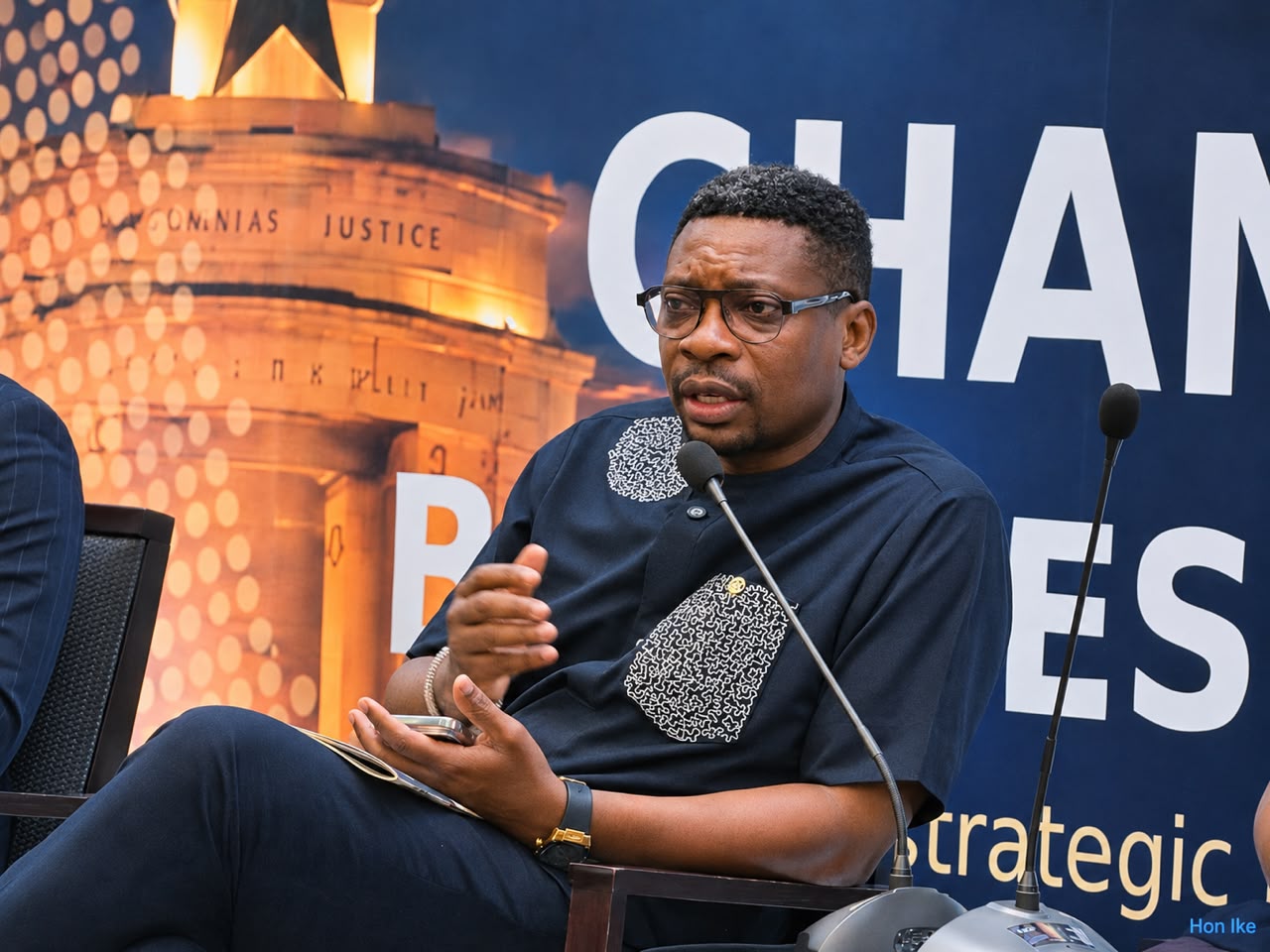
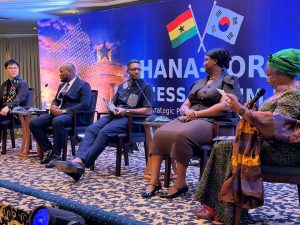
The Chief Technology and Service Delivery Officer of MMFL, Charles Asamoah Assah, outlined these priorities during a panel discussion at the Ghana–Korea Business Forum, held under the theme “Business • Innovation • Partnership.”
Strengthening Digital Financial Services
Mr Assah said the expansion of financial services depended on resilient telecommunications infrastructure and secure digital platforms capable of supporting increasing transaction volumes.
“If we are talking about financial inclusion, we must have the right connectivity to support that growth,” he stated.
He explained that the growing adoption of mobile money and electronic payment services required continuous investment in technology to ensure efficient, reliable and secure transactions.
“People must feel confident that their transactions are safe and that their money will reach the intended recipient,” he added.
Expanding Financial Access to Underserved Communities
Mr Assah stressed the need to bridge the digital divide by extending essential telecommunications services to rural and underserved communities.
He cited the commissioning of telecommunications towers in previously unconnected areas as an example of how improved network access could stimulate commercial activity and create opportunities for local businesses.
According to him, access to digital financial services enables traders, small businesses and rural residents to conduct transactions, access financial products and participate more actively in the formal economy.
Promoting Technology Transfer and Local Innovation
Mr Assah called for stronger collaboration between Ghanaian and Korean technology companies to promote skills development, knowledge exchange and innovation.
He proposed establishing a regional knowledge-sharing hub where Ghanaian engineers, students and young entrepreneurs could receive practical training and benefit from Korean technological expertise.
He said such partnerships would strengthen local capacity to develop solutions tailored to Ghana’s needs, reduce dependence on imported technologies and create employment opportunities.
He also advocated extending technical training and innovation programmes beyond major cities to nurture talent across the country.
Strengthening Digital Security and Consumer Confidence
Touching on cybersecurity, Mr Assah emphasised the importance of protecting customer transactions and maintaining public confidence in digital financial services.
He said financial technology providers must continuously upgrade their systems to safeguard customer funds, minimise service disruptions and maintain operational efficiency.
He stressed that investments in digital infrastructure must be accompanied by stronger security measures and reliable payment systems to encourage wider adoption of financial technology services.
Ghana–Korea Partnership Offers New Opportunities
Mr Assah encouraged Korean technology firms to develop solutions that respond to Ghana’s market needs and regulatory requirements to ensure sustainable investment partnerships.
He identified green technologies, infrastructure management and digital innovation as potential areas for cooperation between businesses in the two countries.
“From there, we can develop and scale solutions that support new industries, strengthen our infrastructure, and create opportunities for our people,” he remarked.
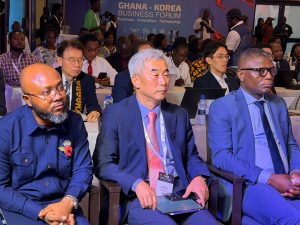
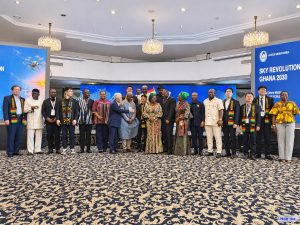
The forum brought together government officials, Korean investors, technology executives and business leaders to explore investment opportunities, technology transfer and partnerships to advance Ghana’s industrial and digital transformation.
Source: Isaac Kofi Dzokpo
