
The International Monetary Fund is urging central banks around the world to take bold action to curb rising inflation, as ongoing geopolitical tensions in the Middle East continue to disrupt global trade and supply chains.
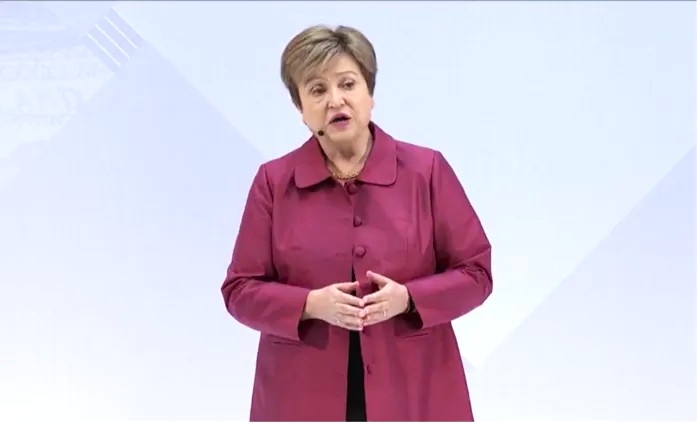
Speaking ahead of the IMF-World Bank Spring Meetings in Washington, Managing Director Kristalina Georgieva cautioned that failure to contain inflation could trigger a damaging global economic spiral reminiscent of past crises.
War-driven shocks rattle global outlook
Georgieva described the ongoing conflict as a “large, global and asymmetric supply shock,” noting that disruptions in transportation networks and shortages of refined products are already weighing heavily on economies.
She warned that the crisis is unfolding through multiple channels—rising prices, supply shortages, and financial tightening—posing a serious risk to global growth that had previously shown signs of improvement.
Hunger crisis deepens
The IMF chief revealed that the fallout from the conflict has worsened global food insecurity, pushing at least 45 million more people into hunger. This brings the total number of people facing food insecurity worldwide to over 360 million.
The development underscores the far-reaching human cost of the crisis beyond financial markets.
Central banks urged to stay alert
Georgieva advised central banks to avoid premature or excessive tightening but remain firmly committed to price stability. She stressed that authorities must be ready to act swiftly with interest rate hikes if inflation expectations begin to lose control.
“We have been here before,” she noted, referencing past inflation crises, including those of the 1970s.
Governments cautioned on policy choices
On fiscal policy, the IMF urged governments to avoid broad subsidies and untargeted tax cuts, warning that such measures could worsen economic pressures.
Georgieva called for targeted and temporary support while encouraging countries to rebuild fiscal buffers amid rising debt costs. She also cautioned against protectionist measures such as export and price controls, warning they could intensify global instability.
READ ALSO:Oil Surges, Asian Markets Slide as U.S. Moves to Blockade Hormuz
Rising financial pressure
The IMF expects demand for balance-of-payments support linked to the crisis to range between $20 billion and $50 billion in the near term, depending on how the situation evolves.
Focus on long-term resilience
Despite the immediate crisis, Georgieva urged policymakers not to lose focus on long-term structural priorities, including technology, demographics, trade, geopolitics, and climate change.
She said the upcoming meetings would focus on navigating what she described as a “fog of uncertainty,” while calling for global cooperation and lasting peace.
