
Ghana’s poultry industry is set for a major boost following a $270 million investment agreement brokered by the 24-Hour Economy and Accelerated Export Development Secretariat to expand local production and reduce the country’s heavy dependence on imported chicken.
The investment is expected to support the development of a fully integrated poultry value chain, covering feed production, hatcheries, commercial farming, processing, cold-chain infrastructure and distribution.
The initiative is also expected to strengthen food security, create jobs and help build a competitive domestic poultry industry capable of meeting a significant share of Ghana’s chicken demand.
Landmark Investment to Transform Poultry Industry
Speaking at the signing ceremony in Accra, Presidential Adviser and Head of the 24-Hour Economy Secretariat, Goosie Tanoh, described the agreement as a landmark intervention aimed at reducing Ghana’s growing poultry import bill while creating opportunities for local farmers and agribusinesses.
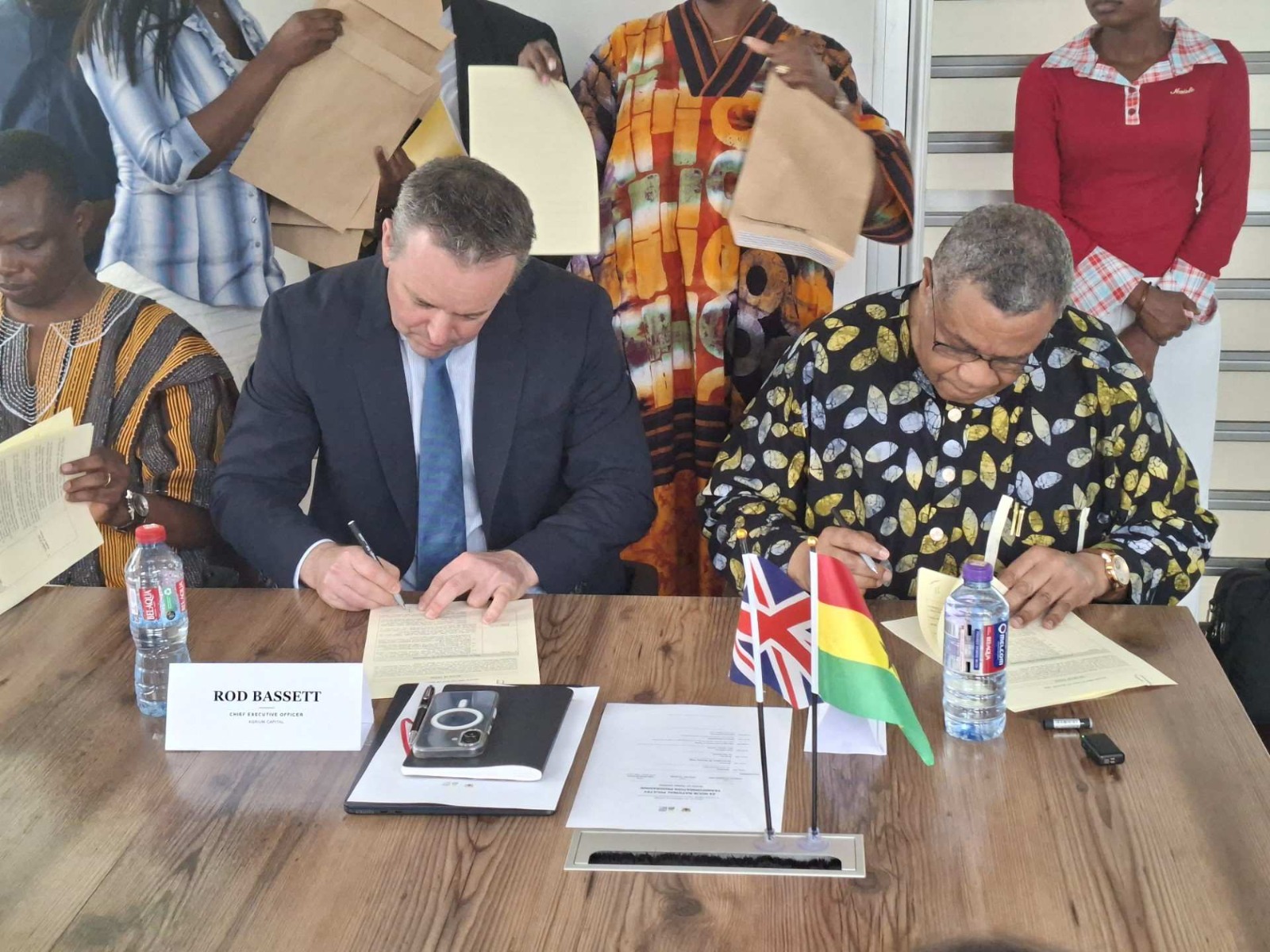
The Heads of Terms agreement was signed by representatives of the 24-Hour Economy and Accelerated Export Development Secretariat, the Tony Blair Institute, Agrium Capital, Petra Pension Trust and Axis Pension Trust.
According to officials, the signing marks the first formal step towards implementing the poultry investment programme and demonstrates the commitment of the parties to developing an integrated domestic poultry value chain.
Ghana Spends $400m Annually on Chicken Imports
Ghana consumes about 340,000 tonnes of chicken annually but produces only a fraction of its domestic requirement.
About 270,000 tonnes of chicken is imported annually at a cost of approximately $400 million in foreign exchange.
Mr Tanoh said Ghana continues to spend hundreds of millions of dollars importing chicken despite having the natural resources, entrepreneurial capacity and market demand needed to support a thriving domestic poultry industry.
How the $270m Poultry Project Will Work
Mr Tanoh said the Heads of Terms agreement represents an important step towards establishing a modern, competitive and integrated poultry value chain capable of supplying a significant portion of Ghana’s domestic market.
The proposed investment will cover key segments of the poultry industry, including hatcheries, feed production, commercial farming, processing facilities, cold-chain infrastructure and market distribution networks.
The project is aligned with the government’s broader 24-Hour Economy agenda, which seeks to stimulate round-the-clock productive activity, promote value addition and generate sustainable employment.
Thousands of Jobs Expected
The investment is expected to create thousands of direct and indirect jobs, particularly for young people and women involved in agriculture and agribusiness.
Chief Executive Officer of Agrium Capital Limited, Rod Bassett, said the investment would be implemented through a proprietary development and design process expected to take between 10 and 12 months.
He explained that the process would establish a fully integrated poultry production and operating system covering all major segments of the value chain.
Project to Be Rolled Out in Three Phases
Mr Bassett said the project would be implemented in three phases and designed to ensure close integration with surrounding rural communities.
When fully operational, the project is expected to create more than 1,000 direct jobs and over 2,500 indirect employment opportunities.
It is also expected to stimulate rural economic development by attracting complementary industries, increasing household incomes and expanding opportunities for smallholder farmers.
Boost for Food Security and Import Substitution
Beyond employment creation, the initiative is expected to support import substitution, improve environmental outcomes, strengthen skills development among Ghanaian youth and contribute to better nutrition through increased availability of locally produced poultry products.
The $270 million investment could significantly reduce Ghana’s dependence on imported chicken, conserve foreign exchange and accelerate the country’s drive towards greater self-sufficiency in poultry production.
