
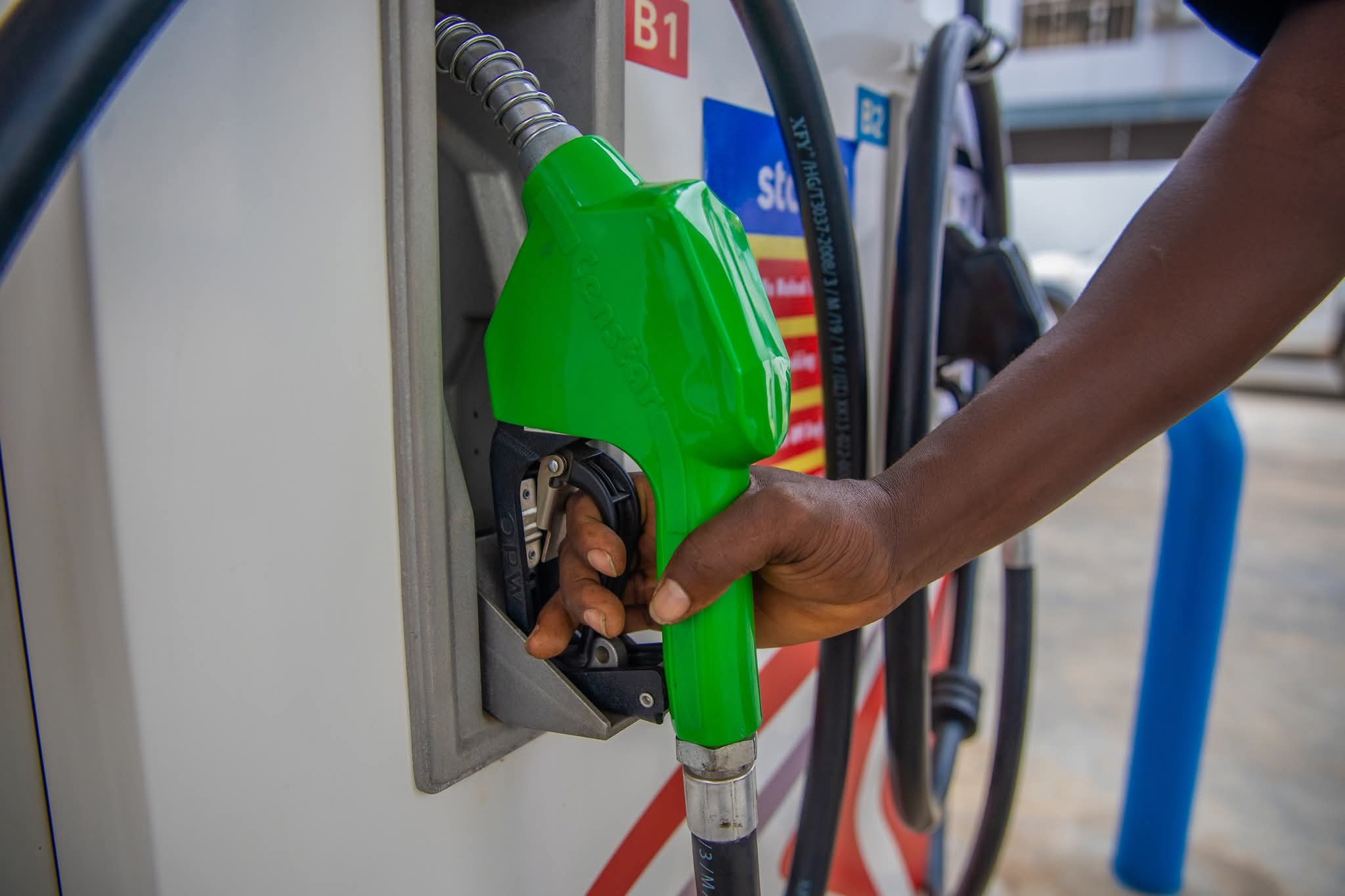
Ghanaians could face higher fuel prices from September 1, 2026, after the National Petroleum Authority (NPA) increased the minimum price floors for petrol and diesel for the September 1–16 pricing window.
The NPA has raised the price floor for petrol from GH¢13.92 to GH¢14.53 per litre, representing an increase of about 4.38 per cent.
Diesel’s minimum price has also been increased from GH¢15.19 to GH¢15.60 per litre, representing a 2.69 per cent rise.
Liquefied Petroleum Gas (LPG), however, recorded a marginal reduction, with its price floor dropping from GH¢10.98 to GH¢10.85 per kilogramme.
The adjustment means Oil Marketing Companies (OMCs) and LPG Marketing Companies cannot sell the products below the prescribed minimum prices during the pricing window.
Pump Prices Could Rise
The upward adjustment in the price floors raises the prospect of higher pump prices, although the new benchmarks do not automatically represent the final prices consumers will pay at filling stations.
The NPA explained that the price floors exclude premiums charged by International Oil Trading Companies, operating margins of Bulk Import, Distribution and Export Companies, as well as marketer and dealer margins.
These components will continue to be determined independently by petroleum marketing companies in accordance with the Petroleum Products Pricing Guidelines.
Consequently, individual OMCs could announce different pump prices depending on their supply costs, margins and competitive strategies.
Some marketers could also decide to maintain their existing prices despite the higher regulatory floors, depending on prevailing market conditions.
Diesel Subsidy Faces Uncertainty
The diesel outlook is further complicated by uncertainty over the government’s temporary GH¢2-per-litre intervention introduced in August.
The government announced on August 3, 2026, that it would absorb GH¢2 per litre of diesel as a temporary relief measure for consumers.
However, the intervention was initially expected to last for one month.
Minister for Energy and Green Transition John Abdulai Jinapor indicated that the measure would be reviewed before a decision was taken on whether to extend it beyond August.
Failure to extend the intervention could leave diesel consumers more exposed to the latest increase in the NPA price floor.
Market Factors to Determine Final Prices
Final prices at the pumps will depend on several factors, including international petroleum prices, the performance of the Ghana cedi, taxes and levies, trading premiums and margins applied by individual OMCs.
With more than 200 OMCs operating in the country, competition could also influence how much of the increase is eventually passed on to consumers.
The latest adjustment will therefore put motorists and transport operators on alert as petroleum marketing companies prepare to announce their prices for the first pricing window of September.
Any significant increase at the pumps could have broader implications for transportation, logistics and production costs, with possible knock-on effects on prices of goods and services.
While LPG consumers are set to enjoy marginal relief, petrol and diesel users face the prospect of paying more as the new pricing window takes effect from September 1.
