
Source: Mohammed Faisel Mustapha / Felix Ernest Odamtten
The Ghana Hajj Board has commenced mandatory medical screening for prospective pilgrims intending to participate in the 2027 Hajj, with health officials urging applicants to comply with medical requirements to ensure they are fit for the spiritual journey.
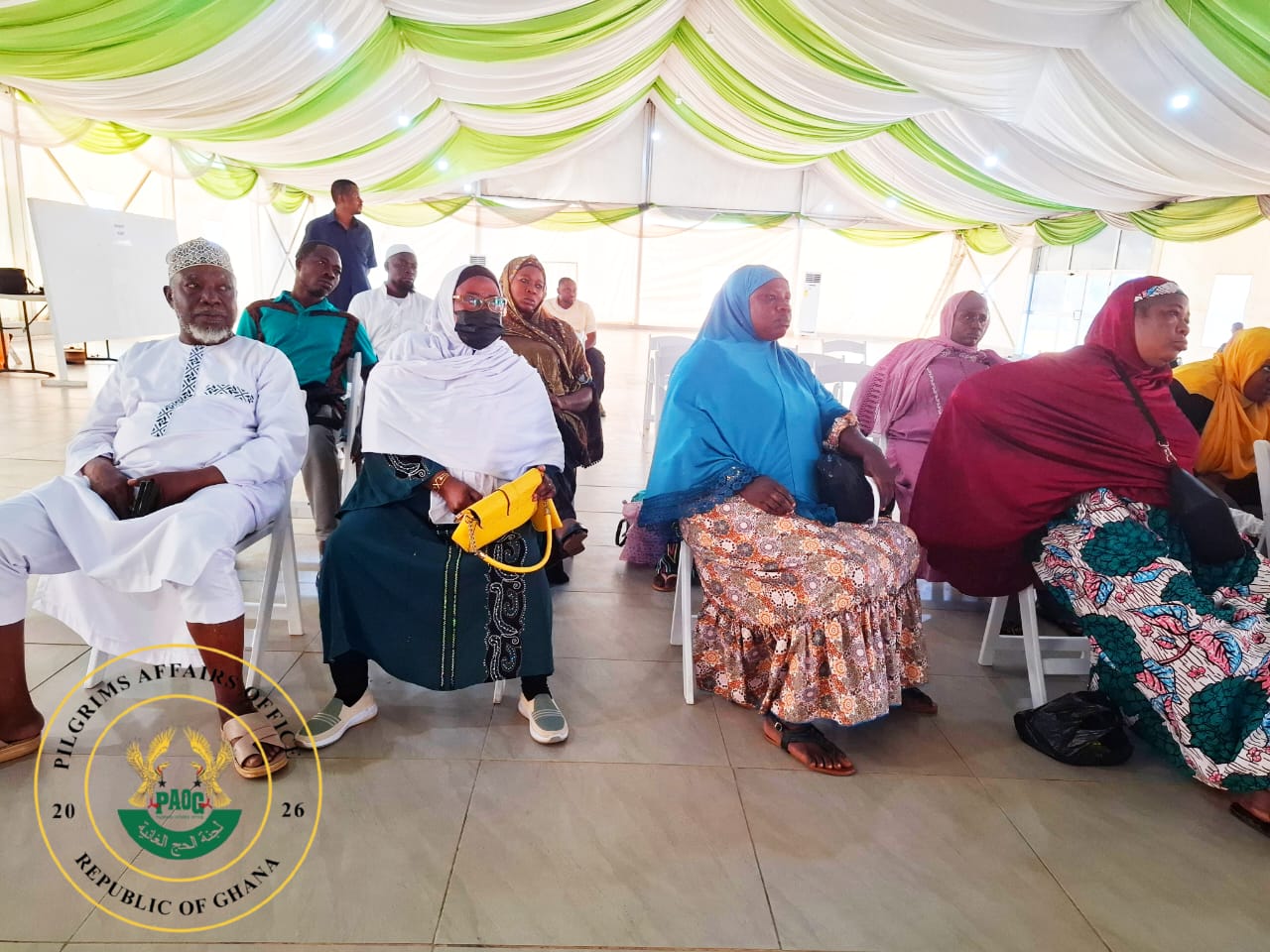
The exercise, being conducted at the Hajj Village in Accra, is designed to assess the health conditions of prospective pilgrims, identify underlying illnesses and ensure that those travelling to Saudi Arabia are medically fit to perform the Hajj rites.
Speaking during the screening exercise, Alhaji Mohammed Amin Lamptey, Communications Director of the Ghana Hajj Board, expressed appreciation to prospective pilgrims and accredited Hajj agents for their cooperation and patience throughout the process.
He explained that the screening involved several stages, including preliminary assessments, blood tests and examinations by qualified medical personnel.
According to him, experienced nurses and doctors had been deployed to ensure that prospective pilgrims received the necessary medical attention and were properly assessed before being cleared for the pilgrimage.
Alhaji Lamptey emphasised the importance of the exercise, noting that the Board was committed to ensuring that pilgrims were adequately prepared for the physical demands of the Hajj.
He also commended the medical team for their dedication and professionalism in carrying out the screening.
Ghana adopts strict medical assessment criteria
Dr Anwar, who spoke during the exercise, disclosed that the Ghana Hajj Board, in collaboration with a Saudi health agency, had adopted medical screening criteria consistent with requirements being applied to pilgrims from other countries.
He explained that the assessment process included taking patients’ medical histories, conducting physical examinations and collecting blood samples where necessary.
He said the exercise was intended to identify underlying health conditions and ensure that prospective pilgrims received appropriate medical care before travelling.
Dr Anwar indicated that applicants with conditions such as hypertension, diabetes and asthma would be assessed to determine whether their illnesses were adequately controlled.
Those whose conditions were not properly managed would be referred to their doctors for further treatment and adjustments to their medication, where necessary.
He stressed that the objective was to ensure that pilgrims were sufficiently healthy to withstand the physical demands of the pilgrimage.
The medical officer further explained that the Saudi Ministry of Health had introduced strict disqualification criteria based on experiences from previous Hajj operations.
Under the criteria, people with severe illnesses, those too weak to walk independently and individuals requiring extensive assistance because of their age or medical conditions could be deemed unfit to travel.
He noted that such measures were necessary because of the large number of pilgrims attending the Hajj and the pressure that serious medical cases could place on healthcare facilities in Saudi Arabia.
Dr Anwar also highlighted the restrictions relating to pregnancy, explaining that women who were heavily pregnant and those whose pregnancies were likely to make travelling or performing the Hajj rites unsafe would not be eligible to participate.
He urged prospective female pilgrims who became pregnant after the current screening exercise to inform their accredited Hajj agents, who would then notify the Board to facilitate an assessment of their gestational age and eligibility.
He cautioned that failure to disclose relevant medical information could result in disqualification during the final screening before departure.
Dr Anwar emphasised that the medical screening was not unique to Ghana, explaining that other countries sending pilgrims to Saudi Arabia were also implementing similar procedures to ensure compliance with the health requirements.
Deputy Communications Director commends pilgrims and medical team
The Deputy Communications Director of the Ghana Hajj Board, Alhaji Mohammed Haruna, commended prospective pilgrims for adhering to the instructions and procedures established for the screening exercise.
He praised the pilgrims for their patience, cooperation and willingness to comply with the medical requirements, describing their participation as important to the smooth organisation of the 2027 Hajj.
Alhaji Haruna also commended the medical team for demonstrating professionalism, dedication and commitment in discharging their responsibilities.
He urged prospective pilgrims to continue cooperating with medical personnel and to provide accurate information about their health conditions to facilitate proper assessments.
He further encouraged accredited Hajj agents to educate their clients on the importance of the screening exercise and ensure that all relevant medical requirements were fulfilled ahead of the pilgrimage.
Hajj agents welcome mandatory screening
Meanwhile, Seth Ibrahim, Chief Executive Officer of Drapaia Travel & Tour, welcomed the mandatory medical screening, describing it as an important step towards protecting the health and safety of prospective pilgrims.
Speaking in an interview during the exercise, he said his team, including nurses and doctors, was participating in the screening process and expressed gratitude for its commencement.
Mr Ibrahim stressed that the exercise should be taken seriously because prospective pilgrims needed to understand their health status before embarking on any journey, particularly one as physically demanding as the Hajj.
He explained that the screening would help pilgrims determine whether they were healthy enough to travel and perform the religious rites.
According to him, the mandatory medical assessment was a necessary measure that prospective pilgrims and accredited agents should accept and support.
He added that the exercise was expected to become an established part of Hajj preparations, urging all stakeholders to cooperate to ensure its success.
The Ghana Hajj Board’s medical screening exercise forms part of preparations for the 2027 pilgrimage, with health officials emphasising that early assessments and proper management of medical conditions are essential to protecting pilgrims throughout their journey.
