
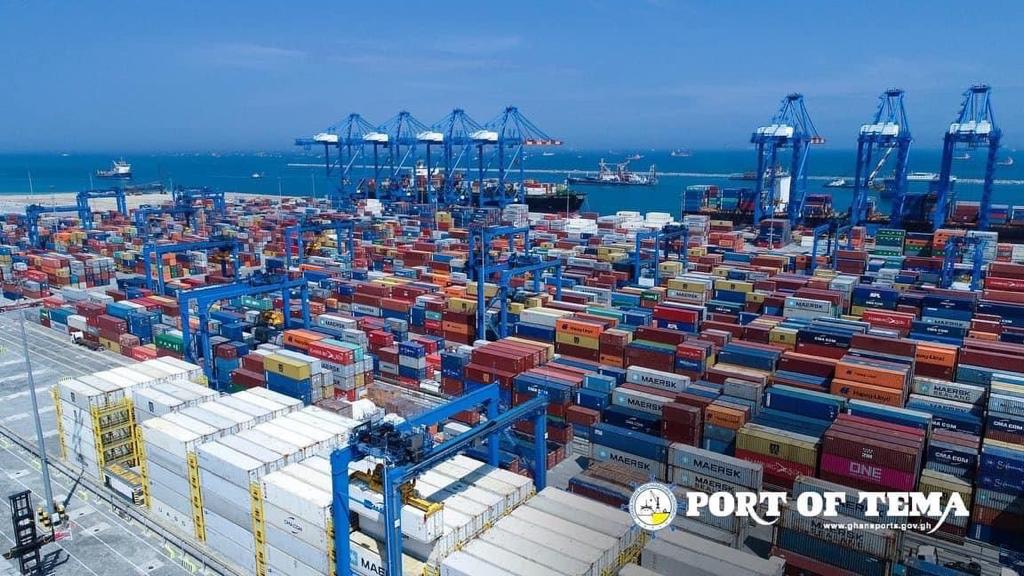
Clearing activities at Ghana’s ports are grinding to a near standstill after the Ghana Union of Traders’ Associations (GUTA) ordered a nationwide halt to duty payments and cargo processing in protest against the controversial Publican AI customs valuation system.
The directive, which runs from April 13 to April 17, 2026, has triggered immediate disruptions across the port value chain, with freight forwarders, clearing agents, and importers complying with the industrial action. Early signs point to a deepening paralysis in cargo clearance, raising fears of a full-blown shutdown if the impasse is not resolved swiftly.
System backlash cripples operations
At the heart of the standoff is mounting frustration over the Publican AI system, which traders say has upended long-standing clearance processes. GUTA argues that the platform has introduced erratic and inflated duty assessments, slowed processing times, and driven up demurrage and port charges.
The situation has left consignments stranded at the ports, with uncertainty spreading among importers already grappling with rising operational costs.
Coalition widens pressure front
Resistance is rapidly expanding beyond GUTA, with a powerful coalition of trade and industry bodies demanding an immediate suspension or review of the system. Key players including the Ghana Institute of Freight Forwarders, Customs Brokers Association of Ghana, and the Ghana National Chamber of Commerce and Industry have warned of severe operational bottlenecks and mounting financial losses.
The Traders Advocacy Group Ghana has gone further, threatening coordinated industrial action across all ports and entry points, a move that could escalate the disruption into a nationwide trade crisis.
Supply chain shockwaves expected
Industry analysts caution that the impact is already spilling beyond the ports. Delays in cargo clearance and rising costs are set to ripple through haulage, warehousing, and manufacturing sectors, with potential knock-on effects on consumer prices.
Businesses reliant on imported raw materials face the risk of production slowdowns, while consumers could soon feel the pinch through increased prices and possible shortages.
Policy clash deepens
The dispute underscores a growing divide between regulators and industry players. While the Ministry of Finance and the Ghana Revenue Authority insist the Publican AI system is critical for boosting revenue and enhancing transparency, stakeholders argue its rollout has been rushed and misaligned with international valuation standards.
Traders are also raising red flags over the lack of an effective dispute-resolution mechanism, leaving them with limited options to challenge duty assessments.
READ ALSO:Bola Ray Dedicates African Media Icon Award to EIB NETWORK Staff
A defining test for trade policy
The unfolding crisis is shaping up as a major test of Ghana’s trade policy direction—balancing revenue mobilisation with efficient port operations.
For now, the coalition remains resolute: suspend the system, review its framework, and establish a credible appeals process. Without swift intervention, the standoff risks tipping Ghana’s ports into prolonged disruption, with far-reaching consequences for trade and the broader economy.
