
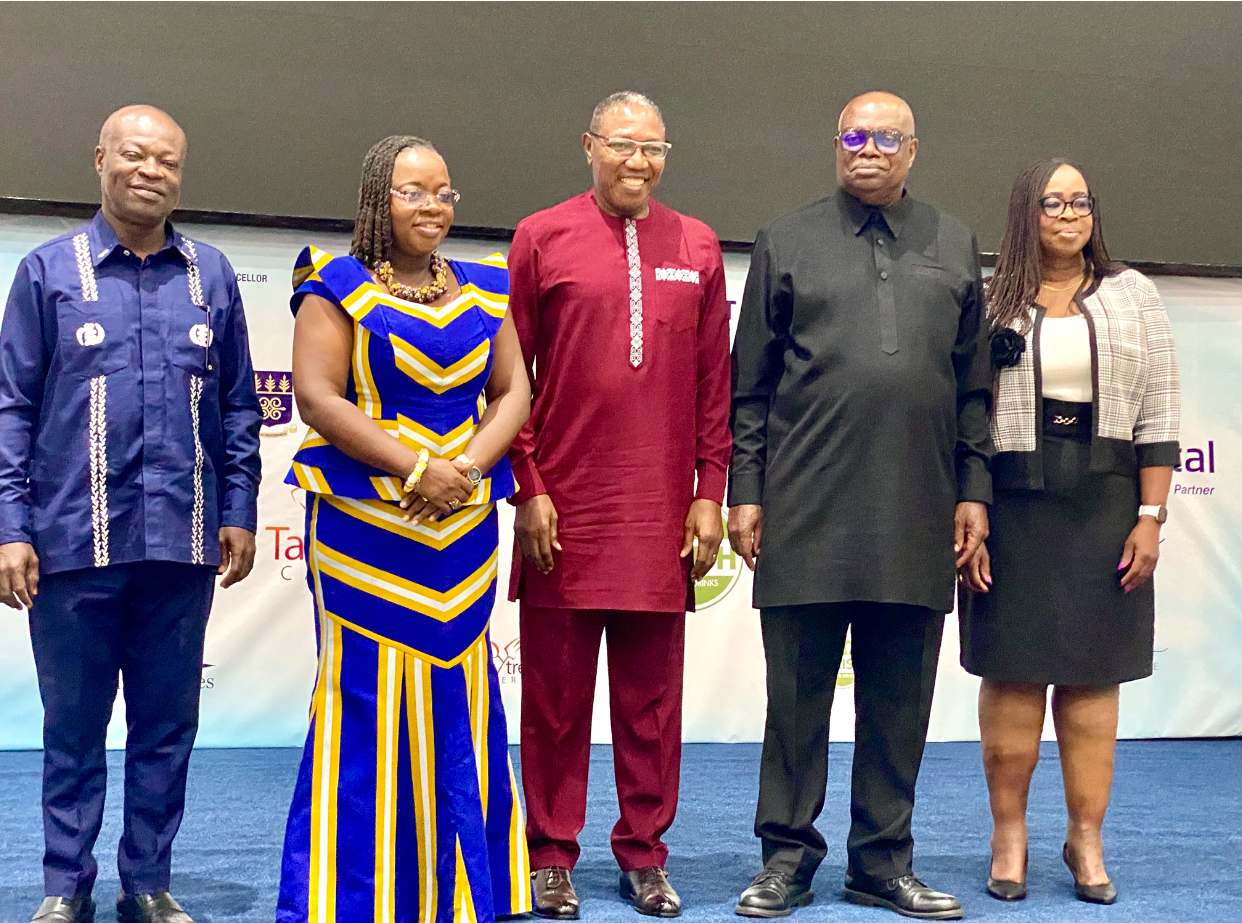
Professor Nana Aba Appiah Amfo, Vice-Chancellor of the University of Ghana, has called for collective action and innovative financing mechanisms to ensure sustainable funding for higher education in Ghana.
She said universities were being required to produce the next generation of leaders, drive innovation, undertake impactful research, and contribute to national development, while the resources needed to fulfill those expectations continued to dwindle.
Prof. Amfo made the call in her welcome address at the inaugural Ghana Higher Education Summit held at the Cedi Conference Centre of the University of Ghana on Wednesday.
The summit was held on the theme “Universities at Crossroads: Charting Sustainable Funding Pathways for Inclusive Higher Education.”
Prof. Amfo said the growing expectations on universities, coupled with constrained public resources, presented a major challenge to higher education institutions in Ghana, Africa, and beyond.
She said the situation required stakeholders to critically examine how higher education should be financed and determine the responsibilities of government, universities, industry, philanthropists, alumni, students, and society.
“How do we create financing models that are equitable and sustainable while preserving quality and expanding opportunities?” she asked.
The Vice-Chancellor said the University of Ghana believed the challenges confronting higher education could best be addressed through dialogue, partnership, innovation, and evidence-based decision-making.
She said the summit was therefore established to move beyond identifying challenges and to facilitate discussions on practical pathways to strengthen the resilience and sustainability of universities.
Prof. Amfo said sustainable funding could not be achieved by a single stakeholder, stressing the need for stronger partnerships across sectors.
She identified innovative approaches to resource mobilisation, entrepreneurial thinking within universities, meaningful engagement with industry, support for research and innovation, strategic philanthropy, and active alumni participation as critical to the future sustainability of higher education.
She said the summit was intended to become an ongoing national platform for dialogue on higher education advancement and sustainability rather than a one-off event.
Prof. Amfo said the discussions and recommendations from the summit should inform public policy, inspire partnerships, influence institutional strategies, and generate concrete actions to strengthen universities.
“The future of higher education in Ghana is too important to be left to chance,” she said, urging participants to challenge existing assumptions, learn from best practices, and explore innovative ideas.
She said Ghana required deliberate action, collective responsibility, and visionary leadership to build stronger, more resilient, and inclusive higher education institutions.
Aryeetey advocates diversified funding
Emeritus Professor Ernest Aryeetey, former Vice-Chancellor of the University of Ghana and keynote speaker at the summit, also called for a diversification of funding sources for universities.
He said reliance on government funding and traditional tuition arrangements was increasingly becoming unsustainable amid rising student numbers, increasing infrastructure and technology costs and the growing cost of research.
Prof. Aryeetey advocated a diversified financing model involving government support, performance-based funding, philanthropy, private-sector partnerships, research commercialisation, internally generated funds and regional collaboration.
He said universities should adopt more entrepreneurial approaches by commercialising research, expanding consultancy services, offering short courses and online programmes, and making better use of their expertise and resources.
He also called for financing arrangements that protected access and equity, particularly for students from low-income households, persons with disabilities, and other disadvantaged groups.
Government commitment
Dr Clement Apaak, Deputy Minister for Education, who delivered an address on behalf of Vice-President Naana Jane Opoku-Agyemang, said government recognised education as a strategic investment in the country’s future.
He said the government had introduced a number of measures aimed at improving access, equity, quality, research, and institutional development in tertiary education.
These, he said, included expanded student loan support, free tertiary education for eligible students with disabilities, investments in university infrastructure and the operationalisation of the Ghana National Research Fund with an initial GH¢100 million seed funding.
Dr Apaak, however, acknowledged that government alone could not meet the growing financial demands of higher education.
He called for stronger partnerships among government, universities, industry, development partners, philanthropists, alumni and the private sector.
He said industries should regard universities as partners in innovation and workforce development, while alumni should see their contributions to universities as investments in future generations.
Summit’s objective
Professor Gordon Abekah-Nkrumah, Director of the Institutional Advancement Directorate of the University of Ghana, said the summit was conceived as a platform to bring stakeholders together to examine the challenges confronting higher education and develop practical solutions.
He said the initiative emerged from reflections on the increasingly complex challenges facing the University of Ghana and the wider higher education landscape.
Prof. Abekah-Nkrumah said the summit’s focus on financing was informed by constrained public resources, increasing student numbers, and rising costs of infrastructure, technology, research, utilities, and institutional operations.
He said the organisers expected the summit to produce practical recommendations, partnerships, and policy proposals that would strengthen higher education.
He added that the Ghana Higher Education Summit was envisaged as an annual platform where stakeholders would return to review evidence, share experiences, develop partnerships, and track progress on solutions identified.
The summit brought together university leaders, policymakers, researchers, industry representatives, development partners, civil society organisations, alumni, faculty, staff, and students to deliberate on sustainable funding pathways for inclusive higher education.
Source: Joseph Wemakor
