
Story By: Felix Ernest Odamtten/Mohammed Faisel Mustapha….
For many Ghanaians living abroad, providing healthcare for ageing parents and other dependants back home is an act of love often accompanied by anxiety, uncertainty and difficult questions about the quality of treatment, medical expenses and continuity of care.
St. Michael’s Specialist Hospital (SMSH), located at Lapaz in Accra, is seeking to address these concerns with the introduction of a dedicated Diaspora Healthcare Partnership designed to help overseas based Ghanaians coordinate, monitor and support the medical care of their relatives in Ghana.
The initiative establishes a structured channel through which families abroad can communicate directly with the hospital’s clinical coordination and billing teams, with the objective of improving transparency, strengthening accountability and making healthcare arrangements more reassuring for sponsors and patients alike.
For families separated by thousands of kilometres, the programme seeks to replace uncertainty with a more organised system of communication, clinical coordination and financial oversight, allowing relatives abroad to remain connected to the healthcare decisions affecting their loved ones.
Dr. Laurencia Ankomah, Clinical Coordinator at SMSH, said the challenges associated with caring for parents from overseas could be considerable, particularly when sponsors struggled to obtain reliable information about medical appointments, treatment decisions and the use of funds provided for healthcare.
“Taking care of parents from abroad often turns into an anxious guessing game,” she said, describing the emotional and practical difficulties confronting families who must depend on relatives, intermediaries or fragmented communication to understand the condition of loved ones receiving treatment at home.
She explained that the partnership was designed to provide a more direct relationship between overseas sponsors and the hospital’s clinical coordination and billing departments, enabling families to obtain relevant information and better understand how healthcare resources were being applied to their relatives’ needs.
The initiative comes against the backdrop of a familiar challenge for Ghanaian families: the responsibility of supporting elderly parents and other dependants does not diminish when children relocate abroad for employment, education or business. In many cases, distance makes it more difficult to coordinate consultations, follow treatment plans and respond promptly when medical needs change.
Bringing specialist healthcare services together
Beyond communication and billing arrangements, St. Michael’s Specialist Hospital says the partnership draws on its range of medical services to help families organise care within a single facility, potentially reducing the inconvenience of moving between different healthcare providers for consultations, investigations and treatment.
The hospital provides chronic disease management services covering conditions such as diabetes, hypertension and cardiovascular diseases, which often require regular monitoring, medication reviews and continuing medical supervision.
For patients living with kidney related conditions, the facility also operates an on site dialysis centre led by consultant nephrologists, providing specialised treatment for people who require renal care.
The hospital’s diagnostic services include laboratory investigations and digital imaging, while its pharmacy operates around the clock to support access to prescribed medications. Together, these services are intended to facilitate the assessment and management of patients whose healthcare needs may involve several medical disciplines.
For cases requiring more advanced intervention, the facility has three surgical theatres and a 20 bed Intensive Care Unit (ICU), resources the hospital says form part of its broader capacity to manage patients requiring surgical procedures and critical care.
The availability of these services could be particularly relevant to families supporting older relatives or people with long term illnesses. However, the appropriate treatment for each patient would depend on individual clinical assessments, the recommendations of attending professionals and the services required.
Transparency, communication and accountability
A central feature of the Diaspora Healthcare Partnership is its emphasis on keeping overseas sponsors informed while respecting the privacy and medical rights of the patients receiving care.
Under the arrangement, sponsors may receive electronic medical summaries, subject to patient consent, together with itemised billing records and structured appointment schedules. These measures are intended to provide a clearer picture of treatment plans, medical expenses and upcoming consultations.
The hospital says direct engagement with its clinical coordination and billing teams will help families obtain relevant information through more clearly defined communication channels rather than relying exclusively on informal updates from relatives or third parties.
The provision of itemised bills is also intended to help sponsors understand the costs associated with healthcare services and the allocation of funds. Such arrangements can be important for families managing medical expenses from abroad, where differences in time zones, currency and access to information may complicate routine coordination.
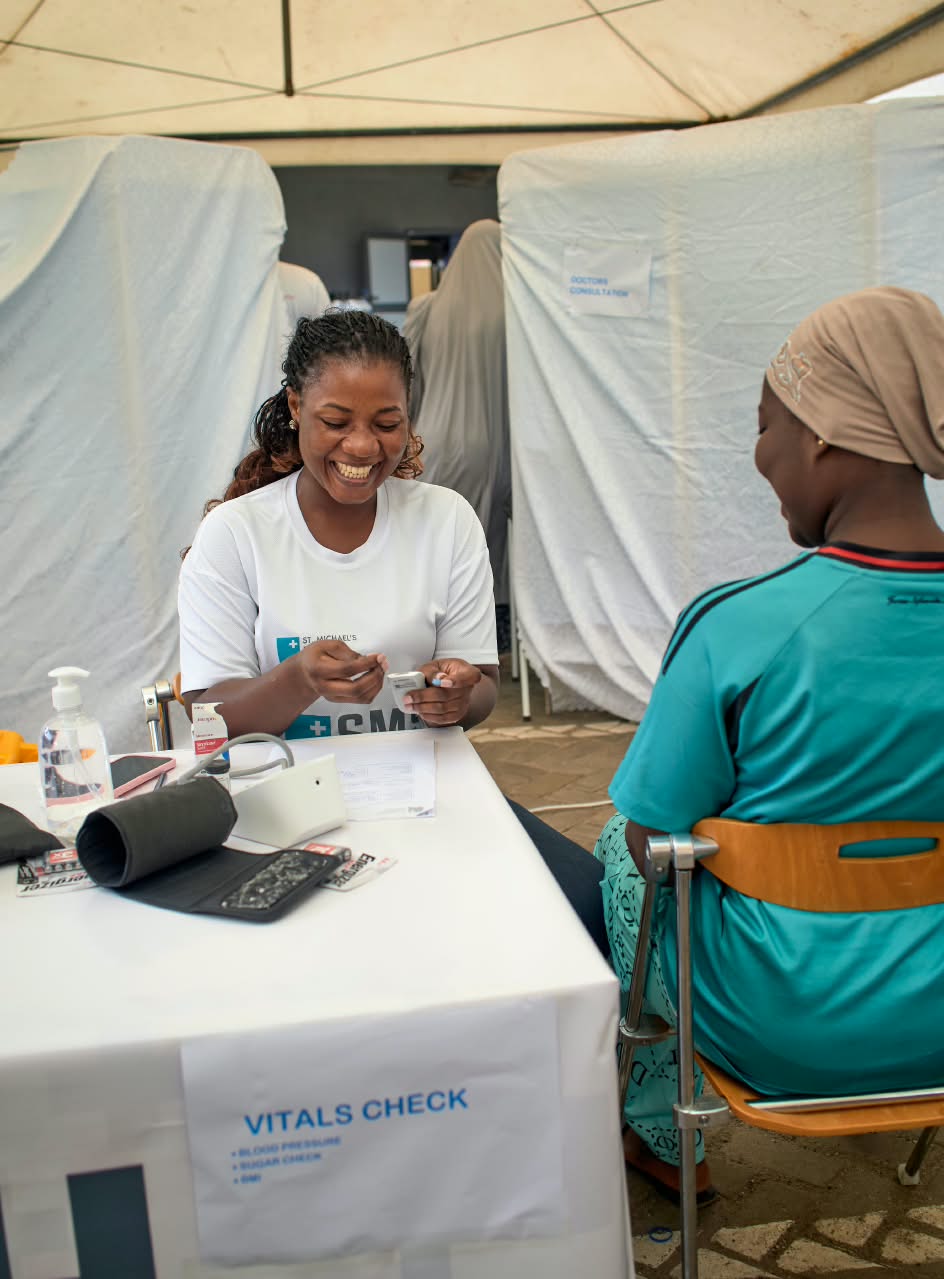
Dedicated patient liaisons are available to assist relatives when they arrive at the hospital, guiding them through initial assessments, consultations and diagnostic procedures. The support is intended to make the process more manageable for patients and accompanying family members, particularly those unfamiliar with the facility’s administrative arrangements.
Nevertheless, effective implementation will depend on clear communication, appropriate patient authorisation, accurate documentation and timely responses to enquiries. The hospital’s ability to maintain these standards will be important to sustaining confidence in the service.
Dignity and compassionate care
Madam Tina, the hospital’s Nurses Manager, said the initiative places emphasis on dignity, comfort and compassionate treatment, particularly for elderly patients and others who require regular medical attention.
She noted that reassurance for families abroad involved more than receiving updates about appointments and bills; it also required confidence that their relatives were being received, assessed and attended to by healthcare professionals.
For older patients, the experience of healthcare can be shaped by how effectively they are guided through consultations, diagnostic procedures and treatment. A coordinated approach that considers both clinical requirements and patient comfort may therefore help reduce some of the difficulties associated with seeking medical attention.
The programme also recognises the emotional dimension of long distance caregiving. Family members living outside Ghana may be unable to accompany parents to appointments, participate physically in routine care or respond immediately when medical concerns arise. A dependable communication structure can help them remain involved, although it cannot replace direct clinical assessment or the presence of family support where that is needed.
For the hospital, the challenge will be to ensure that the promise of coordinated care translates into practical benefits for patients, including clear information, respectful treatment and appropriate follow up.
Registration and access for families abroad
St. Michael’s Specialist Hospital says Ghanaians living overseas can register their relatives through its international care desk for routine chronic disease management, scheduled specialist consultations and annual executive wellness screenings.
The registration arrangement is intended to provide families with a defined point of contact for organising appointments and coordinating relevant services. It may be particularly useful for sponsors seeking to establish a continuing healthcare plan for elderly parents or dependants who require periodic medical reviews.
Families considering the service would need to establish the applicable registration procedures, costs, payment arrangements, communication channels and patient consent requirements directly with the hospital before enrolling their relatives.
The partnership represents an effort to respond to the healthcare needs of a population whose family responsibilities increasingly extend across national borders. For many Ghanaians abroad, supporting loved ones at home remains an important personal and financial commitment, but ensuring that such support translates into appropriate medical care can be difficult without reliable coordination.
By bringing clinical communication, patient liaison support and itemised billing into a dedicated service, St. Michael’s Specialist Hospital aims to offer a more structured approach to managing that responsibility.
Ultimately, the success of the initiative will depend on the quality of care patients receive, the reliability of information shared with authorised family members, the transparency of charges and the hospital’s responsiveness to patients’ changing needs. If these elements are consistently delivered, the partnership could offer families abroad a more organised way to support their loved ones without losing sight of the central principle that healthcare must remain patient centred.
For parents and dependants in Ghana, the objective is access to appropriate and compassionate medical attention. For relatives abroad, it is the reassurance that distance need not prevent them from participating meaningfully in the coordination of their loved ones’ care.
