
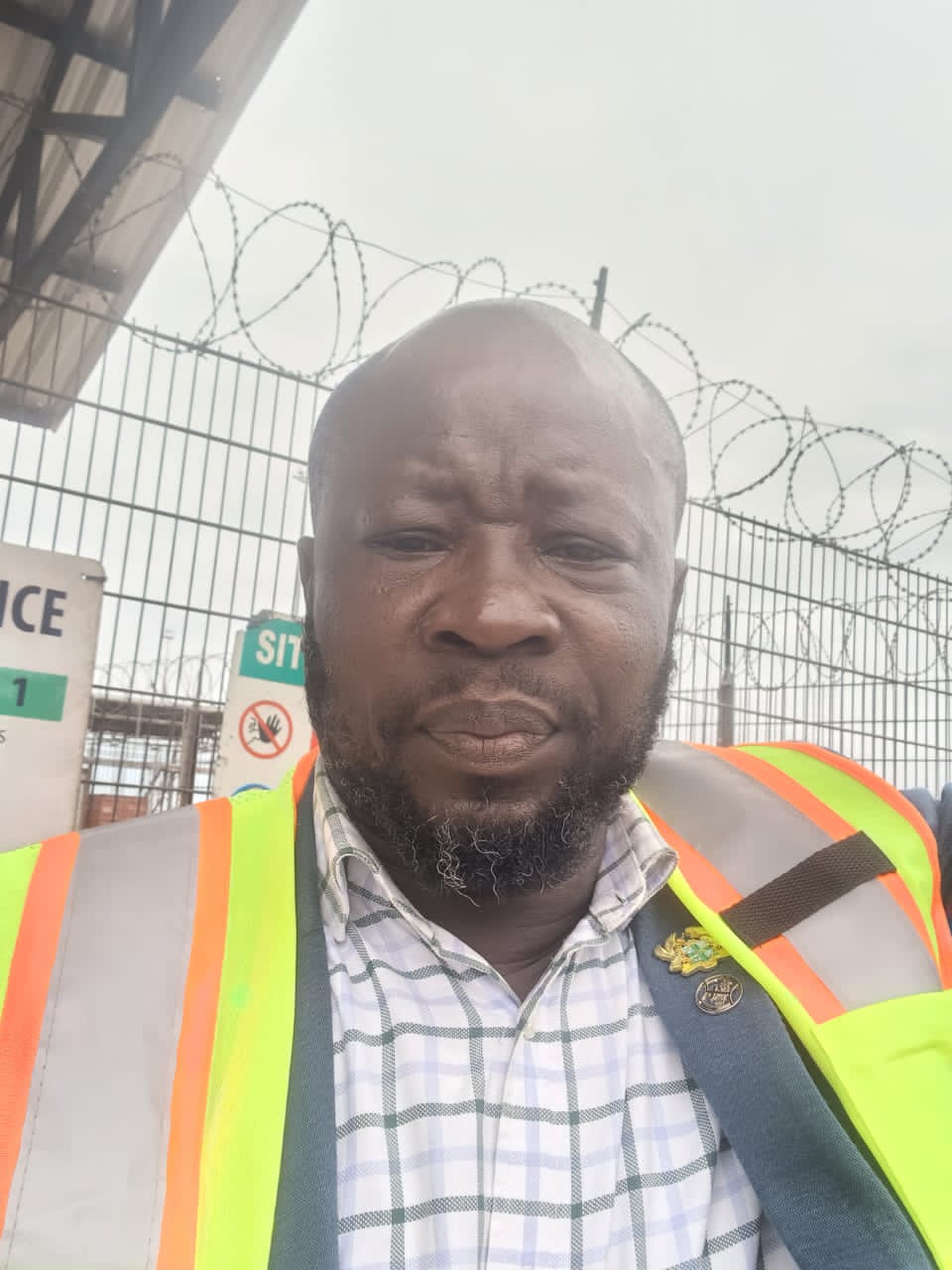
The Advocate for Indigenous Freight Forwarders (AIFF) has issued a strong warning to freight forwarders across Ghana to exercise heightened vigilance and conduct thorough due diligence before accepting any cargo clearing assignment, citing an increasing trend of illicit drug concealment in import and export consignments.
The Convenor of the Advocate for Indigenous Freight Forwarders, Dr. Godfred Mawuli Tettey, cautioned that organised criminal networks are increasingly exploiting legitimate freight forwarding businesses by concealing narcotic substances in seemingly lawful shipments, leaving unsuspecting clearing agents exposed to criminal investigations and possible prosecution.
Speaking on the growing threat, Dr. Tettey urged freight forwarders to carefully scrutinise shipping documents, verify the identities and credibility of importers and exporters, and satisfy themselves about the nature and contents of consignments before undertaking any clearing process.
“Freight forwarders must not allow themselves to become innocent victims of sophisticated drug trafficking syndicates. Every assignment must be subjected to proper scrutiny because the legal consequences can be devastating,” he stressed.
His warning comes amid intensified anti-narcotics operations by the Narcotics Control Commission (NACOC), Customs Division of the Ghana Revenue Authority and other security agencies aimed at preventing Ghana’s ports and borders from being used as transit routes for international drug trafficking.
In recent months, NACOC has recorded a number of significant seizures through intelligence-led operations. Earlier this year, officers intercepted cocaine concealed in packaged gari destined for export through the Kotoka International Airport, leading to the arrest of a company official. The Commission has also stepped up surveillance at airports, seaports and land borders, deploying canine units, behavioural detection officers and advanced scanning technologies to detect concealed narcotics. Recent nationwide operations have additionally resulted in large seizures of cannabis and other prohibited substances while dismantling suspected trafficking networks.
Security experts say criminal organisations continue to devise increasingly sophisticated methods of hiding illicit drugs in legitimate cargo to evade detection.
Some of the commonly detected concealment methods include hiding narcotics inside processed food products, industrial machinery, vehicle compartments, timber products, textiles, furniture, luggage with false compartments, chemical containers and other commercial goods intended to appear legitimate during customs inspections. In many cases, the external documentation appears genuine, making thorough verification by all parties within the logistics chain critically important.
Industry observers note that while many freight forwarders may unknowingly become involved in such shipments, Ghana’s laws place significant responsibilities on persons handling imported and exported cargo, making professional vigilance essential.
Dr. Tettey therefore encouraged freight forwarders to strengthen internal compliance systems by insisting on complete documentation, maintaining proper records of clients, reporting suspicious transactions to the appropriate authorities and refusing assignments where the source or ownership of cargo cannot be satisfactorily established.
He also called for continuous education within the freight forwarding industry to help practitioners identify emerging trafficking trends and protect the integrity of Ghana’s ports.
According to him, safeguarding the reputation of Ghana’s logistics and maritime sector requires collective responsibility among freight forwarders, customs officers, shipping lines, terminal operators and security agencies.
“As professionals entrusted with facilitating international trade, freight forwarders have a responsibility not only to their clients but also to national security. Vigilance and professionalism remain our strongest defence against criminals seeking to abuse legitimate trade,” Dr. Tettey stated.
The renewed caution comes as Ghana continues to strengthen border security and collaborate with international partners to combat transnational organised crime and prevent the country’s ports from being exploited as conduits for illicit drug trafficking.
