
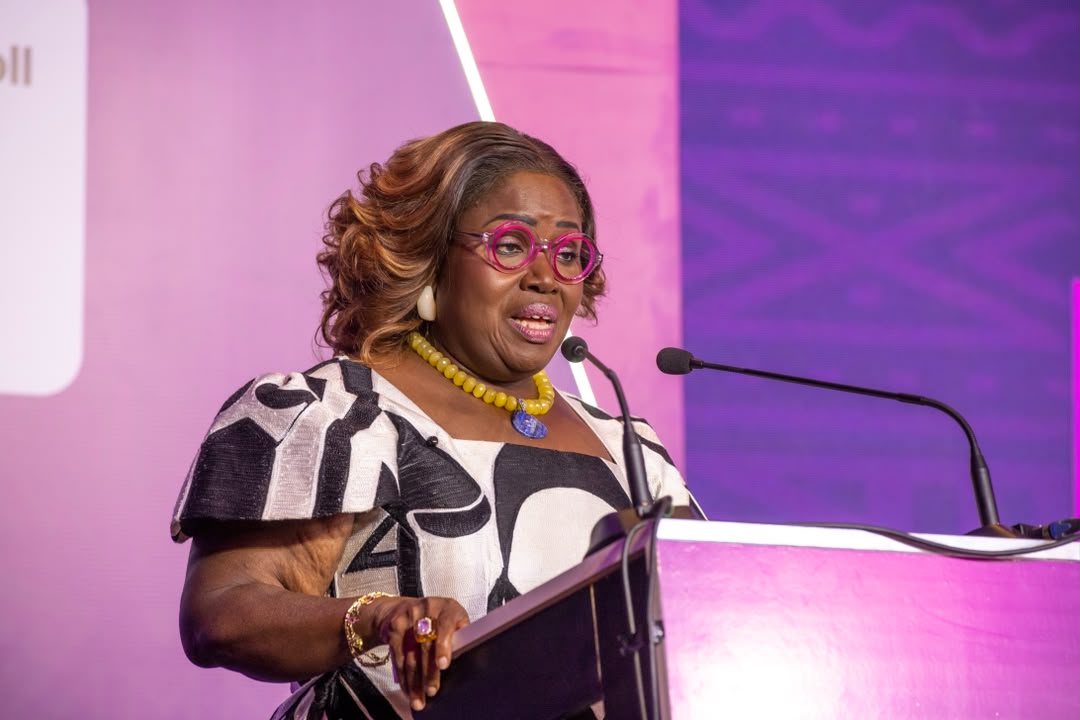
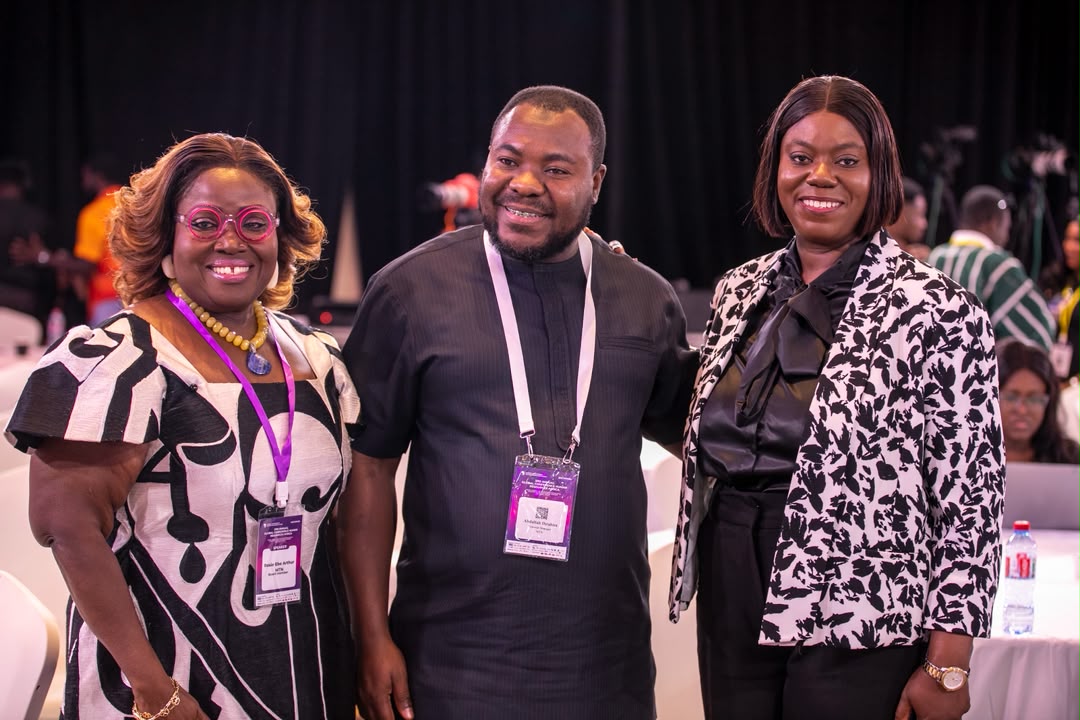
MTN Board Member Rosie Ebe-Arthur has urged African businesses to prioritise workforce development and artificial intelligence (AI) reskilling as part of their core business strategies to prepare employees for rapidly changing jobs.
Stressing that Africa’s growing youthful population could become an economic burden rather than an advantage if governments and businesses fail to equip young people with the skills required to compete in an AI-driven global economy.
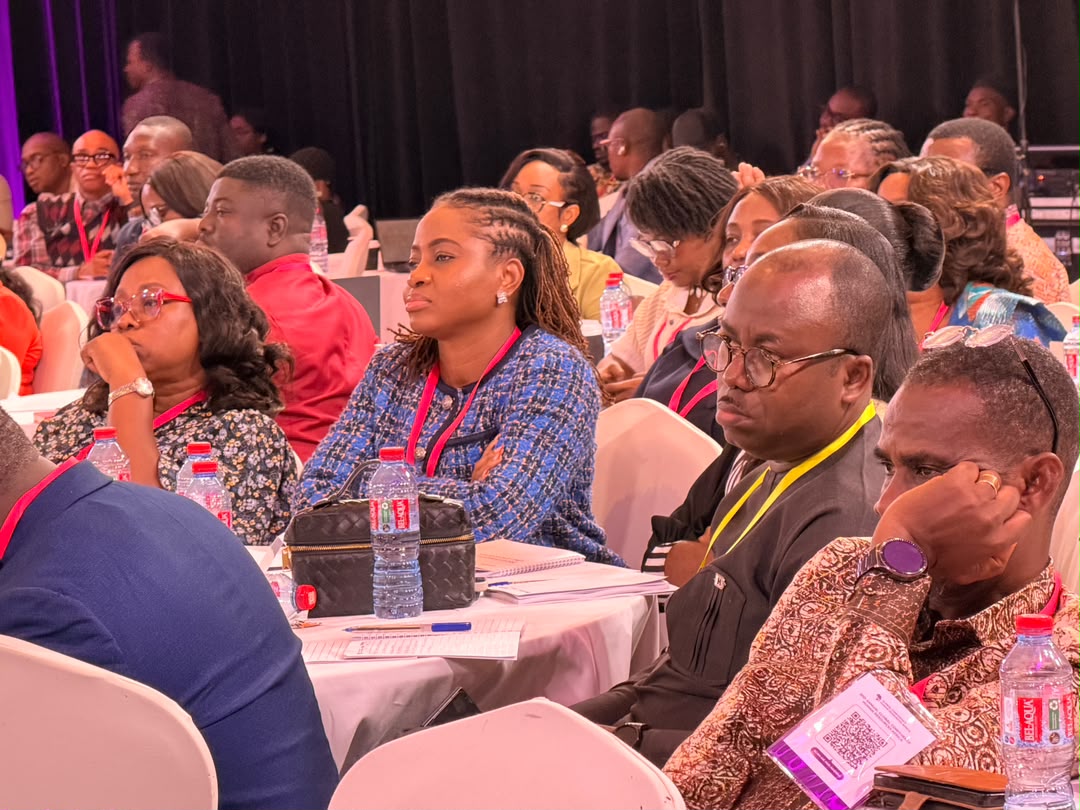
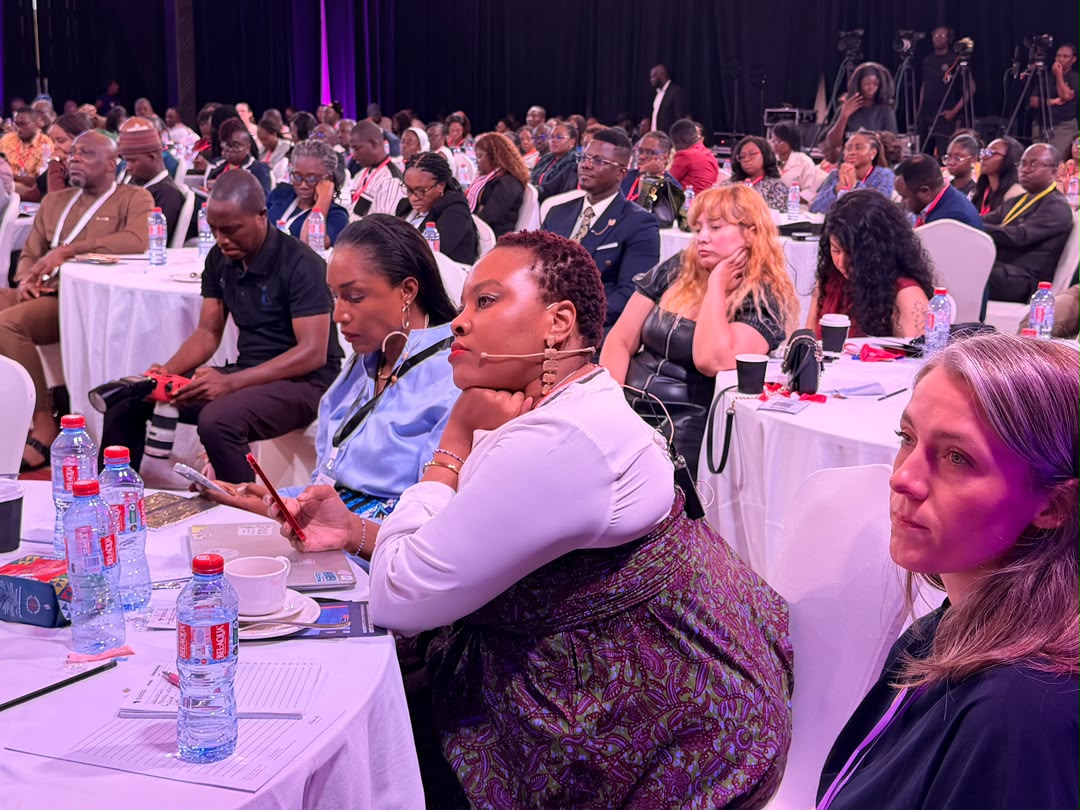
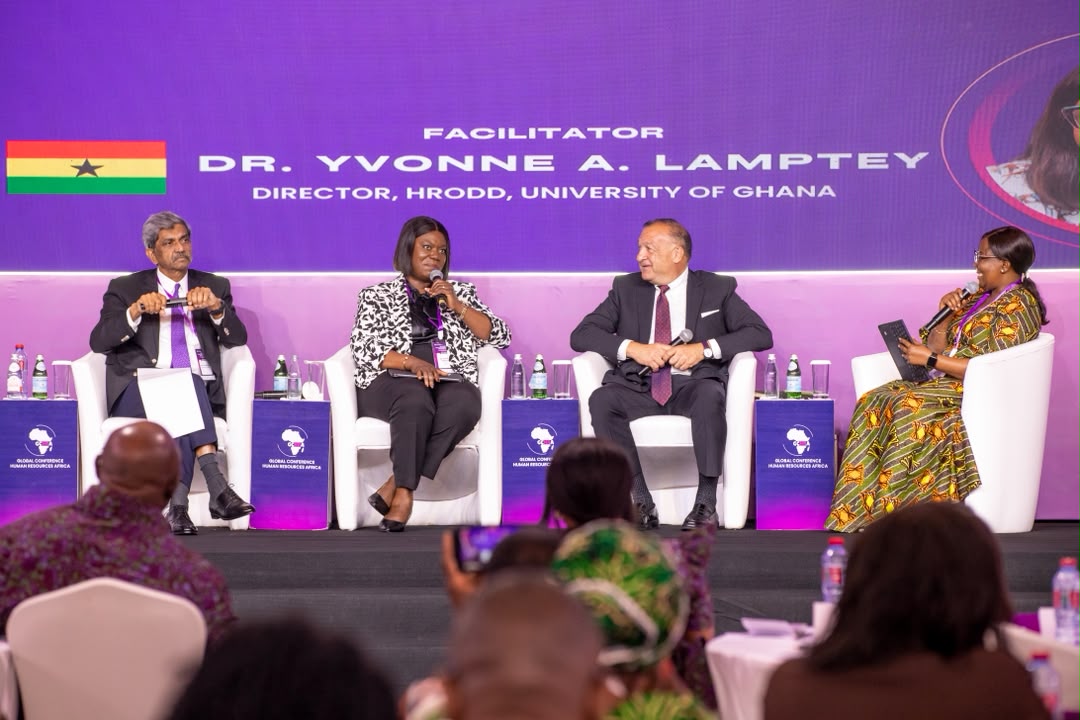
The MTN Board Member made the remarks during a presentation on “The Boardroom Lens on Talent: Aligning People Strategy with Global Business Priorities” at the Global Conference Human Resources Africa (GCHRA).
The conference was held under the theme, “Leading the Transformation: HR as a Catalyst for Organizational Success and Global Impact.”
She said technological advancement, particularly AI, was changing the nature of work at an unprecedented pace and creating new demands for businesses and their employees. “Talent is now the biggest thing standing between good strategy and executing the strategy,” she said.
According to Ebe-Arthur, AI has moved within a few years from being a relatively small item on corporate innovation budgets to a technology capable of writing computer code, drafting contracts, screening job applicants and influencing recommendations submitted to company boards.
She said businesses must therefore treat workforce transformation as a strategic priority rather than leave it solely to human resource departments. “This is not a training issue. Training comes later. This is a strategy issue,” she said.
Boards must focus on capability risk
Ebe-Arthur urged corporate boards to pay greater attention to what she described as “capability risk” the possibility that an organisation may not have employees with the skills required to implement its business strategy.
She said while risks such as liquidity, cybersecurity and regulatory compliance usually receive regular board-level attention, workforce capability is often not subjected to the same level of scrutiny.
“Capability risk the risk that the business simply cannot do what the strategy says it will do — has none of that. It has a slide. It arrives once in a year, beautifully presented. Everybody nods and it goes away,” she said.
She said the challenge is compounded by the fact that businesses often assess executives against short-term performance targets, while investments in workforce development may take years to generate returns.
“Reskilling costs money this year and pays back in three. But we measure the people who run our organisations on a yearly performance calendar,” she noted.
She therefore called on boards to protect long-term investments in human capital and ensure that management has the resources to prepare employees for future jobs. “We should never carry the consequence of a question we were not willing to ask,” she added.
Africa’s youth need skills
On Africa’s demographic outlook, Ebe-Arthur said the continent’s youthful population presents a major opportunity but warned that the expected demographic dividend would not happen automatically.
She said Africa has a median age of about 19, with between 10 million and 12 million young people entering the labour market annually, while only about three million formal jobs are created.
“We call this our demographic dividend, but a dividend is not automatic. It is what you receive after the investment has been made,” she said.
She warned that the continent could face increased unemployment and socioeconomic pressure if it fails to invest adequately in skills development and job creation.
According to her, Africa also has an opportunity to supply skilled workers to the global economy as populations in other regions age and technology increasingly allows people to work across national borders.
She hinted that by 2050, about one in four people in the world is expected to be African, but stressed that population growth alone would not guarantee economic opportunities. “It’s not young people the world will come looking for. It is skilled young people,” she said.
“That one word, ‘skilled’, is the difference between an African century and an African emergency, and the distance between them is training.”
MTN reskilling workers
Citing MTN’s workforce transformation as an example of how companies can respond to technological change.
She said the skills required by the telecommunications industry have changed considerably since MTN began operations in Ghana 30 years ago.
According to her, the company initially required mainly engineers to build telecommunications infrastructure and agents to sell airtime, but its operations now require professionals such as data scientists, cybersecurity specialists and digital product managers.
Businesses also increasingly require leaders capable of understanding emerging technologies, including generative and agentic AI, she said.
“That is not one job description evolving. It is building a second company within the existing one, using many of the same people and asking them to grow into roles that did not exist on the day we hired them,” she explained.
She disclosed that MTN had started deliberately reskilling employees for emerging roles, with an initial 16 workers retrained and placed in new positions.
Ebe-Arthur said the approach involves identifying jobs likely to be affected by AI and automation and equipping employees occupying those positions with skills needed for new roles.
She said such an approach could help businesses manage technological disruption while providing employees with opportunities to remain relevant in the changing workplace.
Make talent a regular boardroom issue
The MTN Board Member called on corporate boards and senior executives to regularly assess whether their workforce has the capabilities needed to execute future business strategies.
She urged boards to ask one question every quarter: “What proportion of our people can do the job this business will need three years from now?” “You will not like the first answer. Ask anyway. Nothing improves while it’s invisible,” she said.
She also encouraged companies to identify at least one role likely to be transformed by technology and deliberately retrain the employee occupying that position. “Start this quarter, fund it, protect it, finish it,” she said.
Ebe-Arthur argued that successfully reskilling one employee could provide businesses with a model that could subsequently be expanded across their workforce.
“If we cannot do it once, we’re never going to do it for 10,000. Once it’s been done once, the argument stops being ‘Is it possible?’ and becomes ‘How fast?’” she said.
READ ALSO:MTN Ghana Donates GH¢30,000 to Ada Asafotufiami Festival
She called on African corporate leaders and HR professionals to take urgent steps to develop the continent’s human capital to ensure Africa remains competitive as AI continues to reshape the global economy.
“Let us not be the generation that has the youngest workforce in the world and the oldest ideas about how to develop them,” Ebe-Arthur said. “Africa must win this one. Let us go and be the reason why Africa wins this.”
Source: Isaac Kofi Dzokpo
