
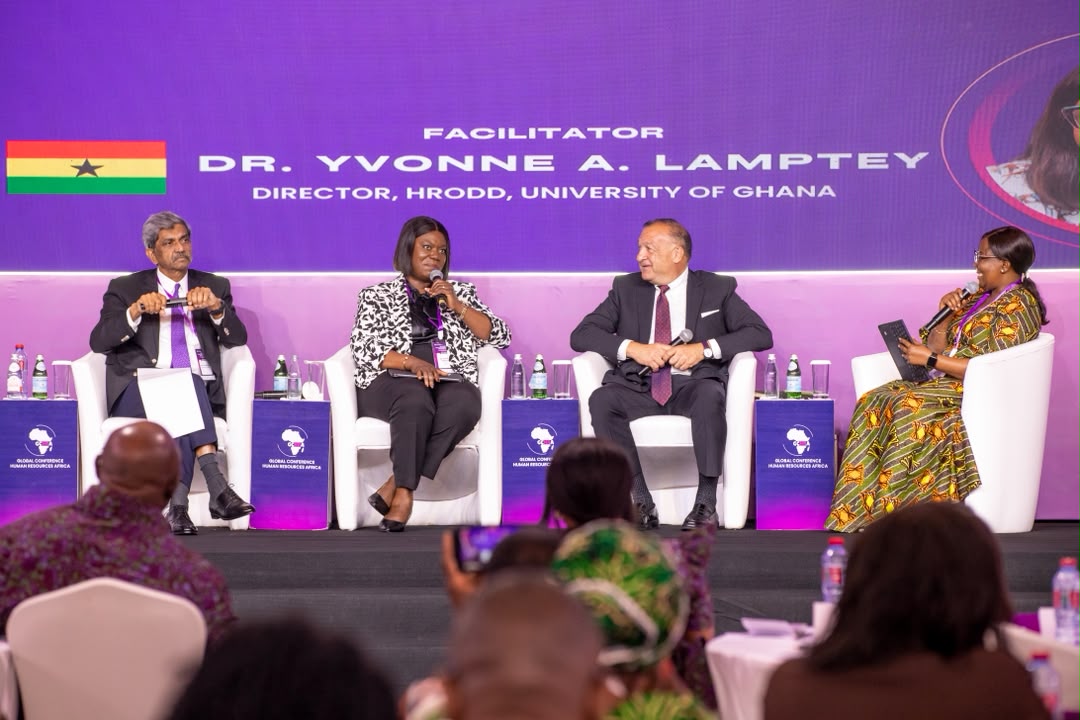
The Global Conference Human Resources Africa (GCHRA) has been held as part of efforts to strengthen human resource leadership and position HR as a key driver of organisational transformation.
The conference, held under the theme, “Leading the Transformation: HR as a Catalyst for Organizational Success and Global Impact,” brought together human resource professionals, corporate executives, business leaders and other stakeholders to discuss the changing world of work and the role of human capital in driving organisational growth and sustainability.
Speaking during a panel discussion, Esi Mmirba Wilson, Chief Human Resources Officer (CHRO) of MTN, urged organisations to place human capital at the centre of their transformation strategies, stressing that people remain critical to translating business strategy into results.
She said the rapid advancement of technology, changing workforce expectations and growing demand for new skills require organisations to rethink how they develop and manage their people.
According to Wilson, the role of HR has evolved significantly and practitioners must move beyond traditional administrative functions to become strategic partners capable of contributing directly to business growth.
She said HR professionals must understand the strategic direction of their organisations and ensure that workforce and talent strategies are aligned with broader business objectives.
Esi Mmirba Wilson, noted that organisations are operating in an increasingly complex environment, driven by technological disruption, changing employee expectations and emerging skills requirements.
She therefore urged HR leaders to anticipate changes in the workplace and ensure employees are equipped with the capabilities needed to remain relevant and productive.
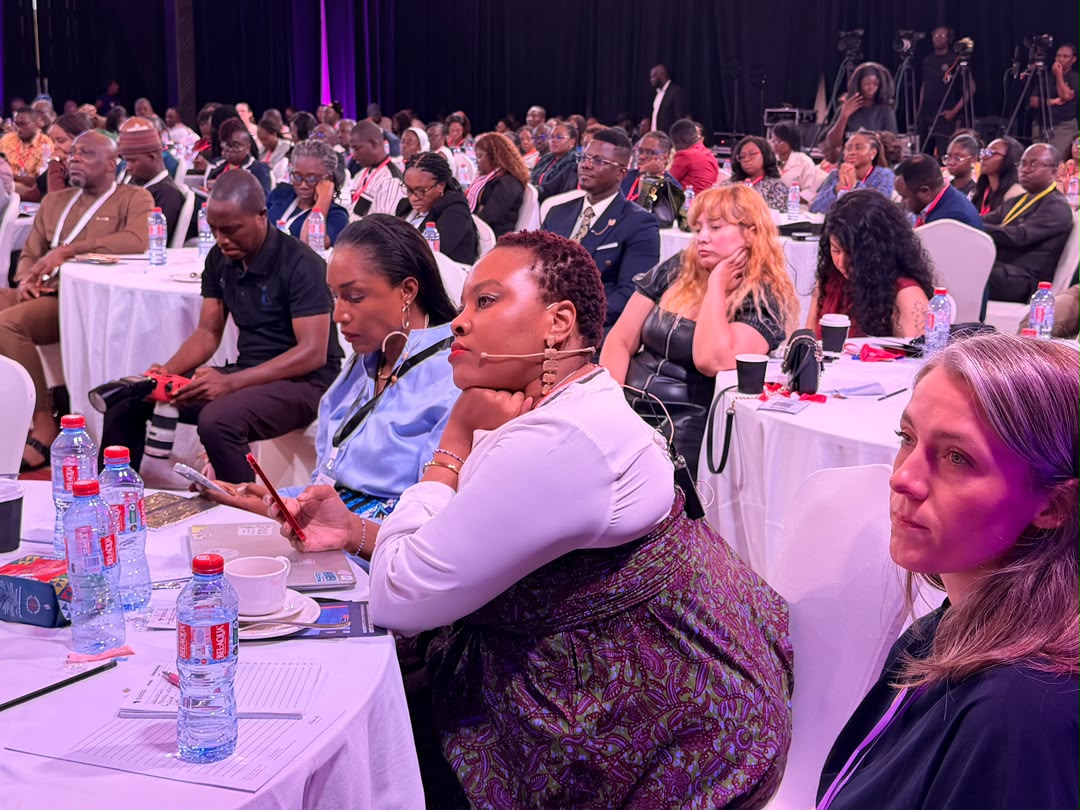
People central to transformation
Wilson stressed that people remain at the heart of organisational transformation regardless of the level of investment businesses make in technology, infrastructure and other resources.
She said organisations seeking to transform successfully must pay equal attention to their workforce by ensuring employees understand the direction of the business and how their individual roles contribute to its objectives.
According to her, having the right technology and strategy would not be enough if businesses do not have employees with the skills and capabilities required to execute them. She therefore called for deliberate investment in human capital as businesses pursue growth and transformation.
Building a future-ready workforce
However, she also underscored the importance of developing a future-ready workforce as artificial intelligence, automation and other digital technologies continue to reshape industries and redefine jobs.
She said continuous learning and skills development have become increasingly important for both employees and organisations as traditional roles evolve and new ones emerge.
According to her, businesses must deliberately create opportunities for employees to acquire new skills and adapt to changing workplace demands.
She said investment in employee development would help organisations address emerging skills gaps, retain talent and strengthen their internal talent pipelines.
The MTN CHRO also stressed the importance of leadership development and succession planning in ensuring organisational continuity.
She said businesses must identify potential leaders early and provide them with the development opportunities required to prepare them for greater responsibilities.
Such an approach, she noted, would help organisations build a pool of capable professionals who can assume critical leadership roles when required.
HR must understand the business
The MTN CHRO further urged HR practitioners to deepen their understanding of the businesses and industries in which they operate.
She said HR professionals who want to influence strategic decisions must understand the commercial and operational priorities of their organisations.
According to her, a strong understanding of the business enables HR leaders to develop people strategies that directly support organisational goals rather than operate independently of the company’s broader direction.
Stressing that HR must increasingly demonstrate how decisions relating to talent, leadership, culture and workforce development contribute to business performance.
Doing so, she indicated, would strengthen HR’s position as a strategic business partner and give practitioners a stronger voice in major organisational decisions.
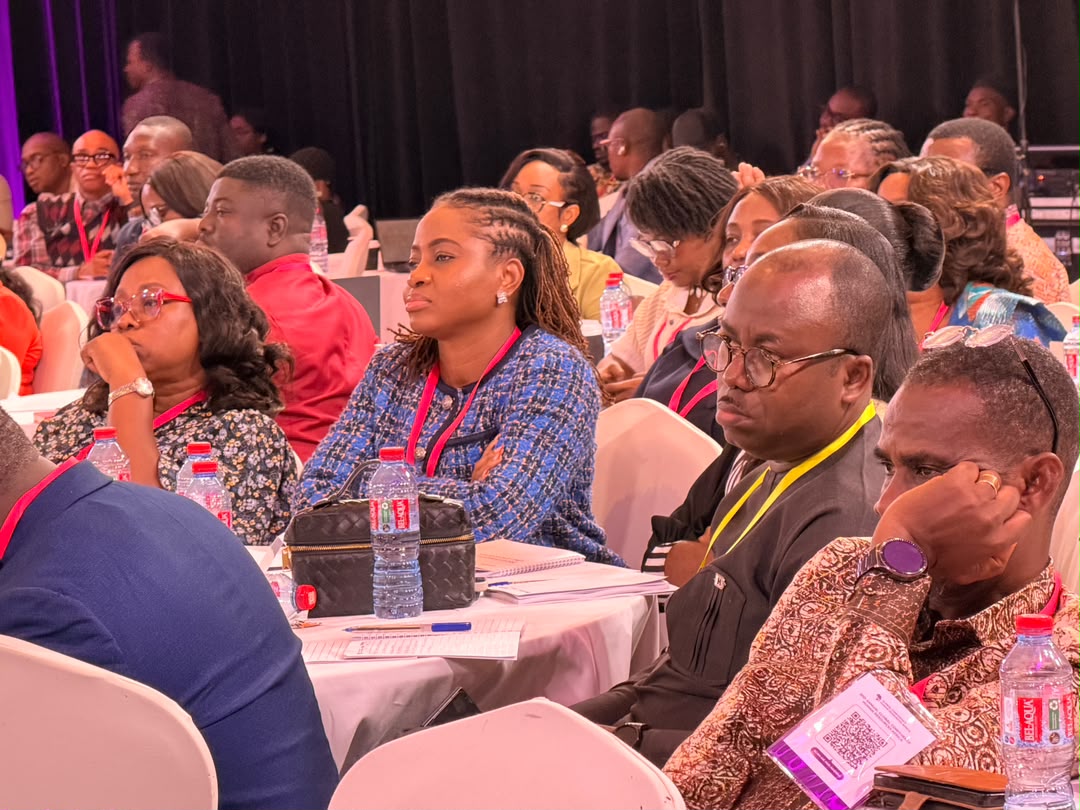
Technology transforming HR
The MTN CHRO also highlighted the growing influence of technology on human resource management, noting that digitalisation is changing how organisations recruit, develop, engage and manage employees.
She said emerging technologies provide opportunities for HR professionals to improve efficiency, analyse workforce trends and make better-informed decisions.
However, she stressed that organisations must maintain the human element of human resource management as they increasingly adopt technology.
According to her, technology should complement effective people management rather than replace the leadership, judgement and human interaction needed to build productive organisations.
Employee engagement key to growth
On employee engagement, she called on organisations to create workplace environments that enable employees to contribute meaningfully to corporate objectives.
She said businesses must pay greater attention to employee experiences and expectations, particularly as competition for skilled talent intensifies.
Effective communication, professional development opportunities and a strong organisational culture, she noted, are critical to attracting, developing and retaining employees.
Wilson said workers are more likely to contribute effectively when they understand the organisation’s direction and recognise how their individual responsibilities connect to broader corporate goals.
She therefore encouraged businesses to build workplace cultures that promote accountability, collaboration, innovation and continuous improvement.
HR as catalyst for transformation
Maintaining that the changing nature of work presents both opportunities and challenges for the HR profession.
She said HR leaders who understand their businesses, anticipate workforce changes and develop the right talent would be better positioned to support organisational transformation and sustainable growth.
Her contribution reinforced the broader focus of the Global Conference Human Resources Africa on repositioning HR as a strategic function capable of driving organisational success and global competitiveness.
READ ALSO: MTN Board Member Champions Human Capital for Africa’s Development
The conference also provided a platform for HR practitioners and business leaders to exchange experiences and explore approaches to talent development, leadership, employee engagement, technology and organisational transformation.
For African businesses, the discussions highlighted the need to develop human capital capable of responding to technological disruption, changing business models and increasing global competition.
The conference highlighted the increasing understanding that an organization’s success isn’t just about technology, capital, and strategy, but also about the skills and abilities of the people who turn those resources and plans into real results.
Source: Isaac Kofi Dzokpo
