
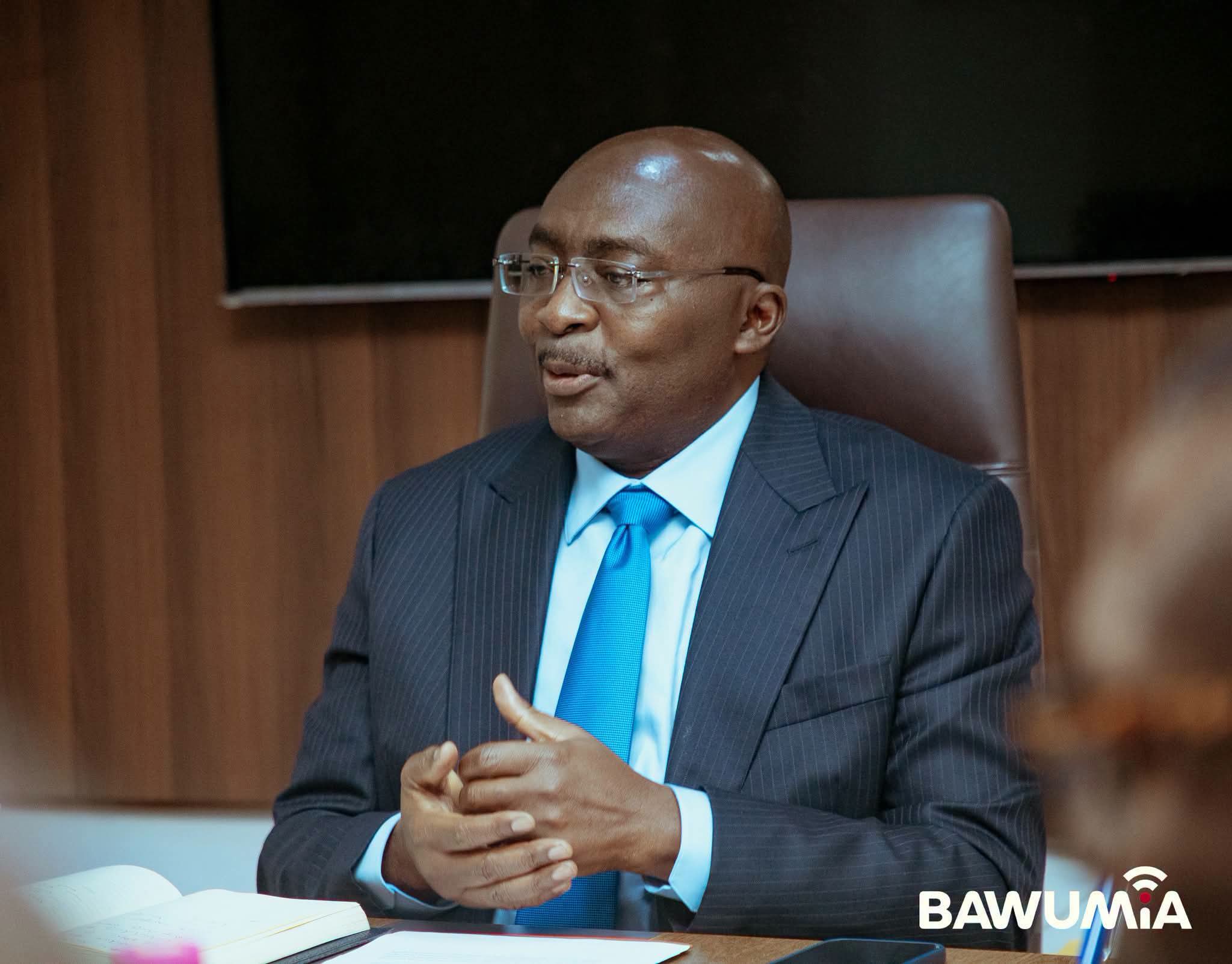
New Patriotic Party (NPP) flagbearer Dr Mahamudu Bawumia has called for greater efforts to build an economy that creates decent jobs, supports entrepreneurship and gives young Ghanaians the opportunity to build secure and dignified lives.
He said the growing difficulty young people face in finding sustainable employment and accessing opportunities to establish businesses remains one of Ghana’s major economic challenges.
According to Dr Bawumia, despite their different backgrounds and circumstances, young Ghanaians largely share the same aspirations — access to decent work, opportunities to build businesses and the freedom to determine their own future.
“Different contexts, common aspirations and a shared belief that Ghana can be a place where young people build the future they want,” he said.
Dr Bawumia argued that Ghana’s youthful population should not be viewed as a burden but as an important national asset, pointing to the talent, ambition and determination demonstrated by young people in technology, agriculture, the creative arts, skilled trades and other sectors.
He, however, acknowledged that economic opportunities have not expanded at the same pace as the ambitions of the country’s youth, leaving many young people struggling to secure sustainable employment.
He said addressing youth unemployment would require more than expanding government employment, stressing the need to create an environment where young people could establish businesses, access capital, acquire relevant skills and become employers themselves.
Dr Bawumia cited initiatives introduced under the previous NPP administration, including YouStart and the Business and Employment Assistance Programme (BEAP), as interventions designed to support youth entrepreneurship and employment.
He said YouStart provided funding and training opportunities for youth-led start-ups and small businesses, while BEAP, implemented through the Youth Employment Agency (YEA), sought to support small and medium-sized enterprises to employ young people.
He also highlighted investments in technical and vocational training, entrepreneurship and digital skills as critical to preparing young people for a rapidly changing labour market.
According to him, Ghana must particularly strengthen digital skills development to ensure its youth are able to participate meaningfully in the opportunities being created by emerging technologies and the Fourth Industrial Revolution.
He referenced the previous administration’s target of training one million young people in digital skills, alongside investments in digital devices and connectivity, as part of efforts to expand participation in the digital economy.
Dr Bawumia further pointed to entrepreneurship programmes at tertiary institutions and skills development initiatives targeting vulnerable young women, including head porters, as examples of interventions aimed at broadening economic opportunities.
He maintained that Ghana would only benefit fully from its youthful population if the expansion of employment opportunities, affordable financing, relevant skills, reliable digital connectivity and a supportive environment for businesses kept pace with demographic growth.
Dr Bawumia therefore urged policymakers to place the aspirations of young people at the centre of economic decision-making, stressing that Ghana’s future growth would depend significantly on its ability to empower the youth to work, innovate, build businesses and live with dignity.
